The best road cycling routes around Villar-Saint-Anselme
4.6
(48)
1,545
riders
105
rides
Road cycling routes around Villar-Saint-Anselme traverse a landscape characterized by rolling hills, river valleys, and passes such as Col de la Loubière. The region features a mix of open countryside and areas with gorges, offering varied terrain for road cyclists. Elevations are moderate, with several routes including significant climbs over passes.
Best road cycling routes around Villar-Saint-Anselme
- The most popular road cycling route is Limoux and Cathar Country Loop, a 42.2 miles (67.9 km) trail that takes 3 hours…
Last updated: October 21, 2026
4.0
(2)
52
riders
67.9km
03:15
950m
950m
Hard road ride. Very good fitness required. Mostly well-paved surfaces and easy to ride.
9
riders
84.0km
04:57
1,580m
1,580m
Hard road ride. Very good fitness required. Mostly well-paved surfaces and easy to ride.

4.0
(1)
80
riders
55.1km
02:18
400m
400m
Moderate road ride. Good fitness required. Mostly well-paved surfaces and easy to ride.
5.0
(2)
76
riders
62.9km
02:57
790m
790m
Moderate road ride. Good fitness required. Mostly well-paved surfaces and easy to ride.
4.5
(2)
49
riders
40.3km
01:45
340m
340m
Moderate road ride. Good fitness required. Mostly well-paved surfaces and easy to ride.
Get access to more routes and recommendations from other explorers.
Already have an account?
Our route recommendations are based on thousands of hikes, rides, and runs completed by other people on komoot.
Start today with a free account
Your next adventure awaits.



Tips from the Community

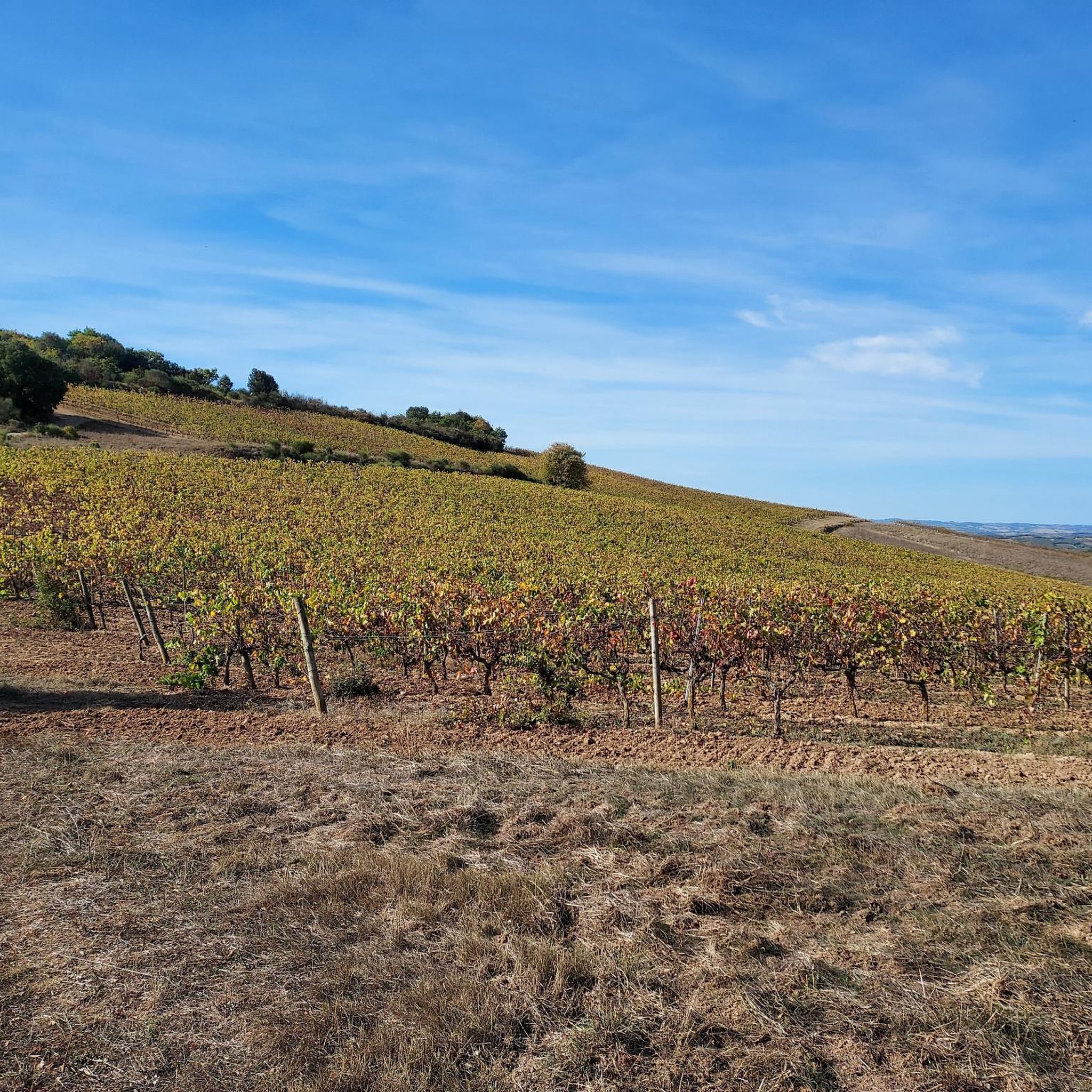
We reach this small pass at 588m from Puivert on a moderate climb. The landscape is slowly becoming Mediterranean. Now there is a sign for this pass. We stop here for a midday break on the brown meadow.
0
0

The ramparts of Carcassonne were built in several stages over more than a millennium by the Romans (3rd-4th centuries), the viscounts Trencavel (12th century), and then the kings of France (13th century). The ensemble was then extensively restored in the 19th century by the architect Eugène Viollet-le-Duc.
0
0
The ramparts of Carcassonne were built in several stages over more than a millennium by the Romans (3rd-4th centuries), the Trencavel viscounts (12th century), and then the kings of France (13th century). The complex was then largely restored in the 19th century by the architect Eugène Viollet-le-Duc.
0
0
The ramparts of Carcassonne were built in several stages over more than a millennium by the Romans (3rd-4th centuries), the viscounts Trencavel (12th century), and then the kings of France (13th century). The entire complex was then extensively restored in the 19th century by the architect Eugène Viollet-le-Duc.
0
0
The Chemin des Anglais in Carcassonne leads directly to the eastern outskirts of the Cité de Carcassonne, stopping near the drawbridge and the famous Porte Narbonnaise.
0
0

wonderfully beautiful landscape here
0
0

"Carcassonne, located in southern France between Montpellier and Toulouse, was founded in the 6th century BC by Iberian Celts. The Romans transformed the hill into a fort by building a defensive wall. In the 5th century, the Visigoths conquered the city, followed by the Arabs in the 8th century, who were expelled by Pepin the Short in 759. In the 12th century, Count Trencavel built a castle on top of the Roman city wall at the highest point of the hill. Carcassonne became a central element in the defense system on France's border with Aragon. In the mid-13th century, the dilapidated wall was protected by a second, outer city wall." This is how the website for the television series "Treasures of the World – Heritage of Humanity" describes the city, which is a UNESCO World Heritage Site. ... The 15-minute film is available – but only in German – in the ARD media library at the following link => https://www.ardmediathek.de/video/schaetze-der-welt/carcassonne-frankreich-folge-125/swr/Y3JpZDovL3N3ci5kZS83MTc1NzUw
0
0

For years I have been passing by you, you whose age is immeasurable. Some would call you venerable (I will have to look up the dictionary to determine whether or not I am included in this group). What I do know is that you existed long before me, and I hope you will exist long after me.
1
0
Frequently Asked Questions
How many road cycling routes are available around Villar-Saint-Anselme?
There are over 100 road cycling routes available around Villar-Saint-Anselme, offering a wide range of options for different skill levels and preferences.
Are there easy road cycling routes suitable for beginners or families?
Yes, Villar-Saint-Anselme offers a selection of easier road cycling routes. Out of the total, 12 routes are classified as easy, providing gentler terrain for beginners or those looking for a more relaxed ride.
What kind of terrain can I expect on road cycling routes in Villar-Saint-Anselme?
The region is characterized by rolling hills, picturesque river valleys, and mountain passes like Col de la Loubière. You'll encounter a mix of open countryside and areas with gorges, offering varied terrain from moderate climbs to more significant ascents over passes.
Are there challenging road cycling routes for experienced cyclists?
Absolutely. For experienced cyclists seeking a challenge, there are 41 difficult routes. These often feature significant elevation gains and explore demanding terrain, such as the Loop in the Orbieu gorges or the Limoux and Cathar Country Loop.
What are the typical distances for road cycling routes in this area?
Route distances vary significantly. For example, the Place de la République – The big plane tree loop from Limoux is around 25 miles (40 km), while longer routes like the Loop in the Orbieu gorges extend to over 50 miles (80 km).
Are there any scenic viewpoints or landmarks along the road cycling routes?
Yes, the region offers several points of interest. You might encounter natural viewpoints like Brau Peak, or historical sites such as Our Lady of Marceille. Passes like Garouillière Pass also offer notable views.
What is the best time of year for road cycling around Villar-Saint-Anselme?
The moderate elevations and varied landscape make spring and autumn ideal for road cycling in Villar-Saint-Anselme, offering pleasant temperatures and vibrant scenery. Summer can also be enjoyable, especially in the mornings or late afternoons to avoid the midday heat.
Are most road cycling routes in Villar-Saint-Anselme loop trails?
Many of the road cycling routes in the area are designed as loops, allowing you to start and finish at the same point. Examples include the Festes Pass – Tougnets Pass loop from Limoux and the Col de la Loubière (599 m) – Garouillière Pass loop from Pomas.
What do other road cyclists say about the routes in Villar-Saint-Anselme?
The road cycling routes in Villar-Saint-Anselme are highly rated by the komoot community, with an average score of 4.7 stars from over 28 reviews. Cyclists often praise the diverse terrain, from rolling hills to challenging passes, and the scenic beauty of the river valleys and gorges.
Are there any specific passes or climbs that are popular among road cyclists?
Yes, passes such as Col de la Loubière and Garouillière Pass are notable features in the region, offering significant climbs and rewarding views. Routes like the Col de la Loubière (599 m) – Garouillière Pass loop from Pomas specifically incorporate these challenging ascents.
Most popular routes around Villar-Saint-Anselme
Most popular attractions around Villar-Saint-Anselme

Get inspired with the komoot mobile app


Explore more
Browse the best Road cycling routes in other regions.
