Top 15 Mountain Passes around Saint-Jacques-Des-Blats
Best mountain passes around Saint-Jacques-Des-Blats are found within the Massif Central, in the heart of the Cantal department. This region provides access to mountain passes and peaks within a volcanic landscape. The area is characterized by its diverse natural environments and offers various routes for exploration.
Best mountain passes around Saint-Jacques-Des-Blats
- The most popular mountain passes is Pas de Peyrol Pass (1,589 m), a mountain_pass that is the highest road pass in the Massif Central. It serves as a…
Last updated: October 13, 2026
Roland's Breach
Highlight • Mountain Pass
Its name was given to it in reference to the breach of the same …
Translated by Google •
Tip by

Pas de Peyrol Pass (1,589 m)
Highlight • Mountain Pass
Translated by Google •
Tip by

Sign up now to discover places like this
Get recommendations on the best single tracks, peaks, & plenty of other exciting outdoor places.
Cabre Pass
Highlight • Mountain Pass
Translated by Google •
Tip by

Pertus Pass
Highlight (Segment) • Mountain Pass
Translated by Google •
Tip by

Redondet Pass
Highlight • Mountain Pass
Translated by Google •
Tip by

Sign up for free to discover even more mountain passes around Saint-Jacques-Des-Blats.
Already have an account?
Start today with a free account
Your next adventure awaits.
Popular around Saint-Jacques-Des-Blats
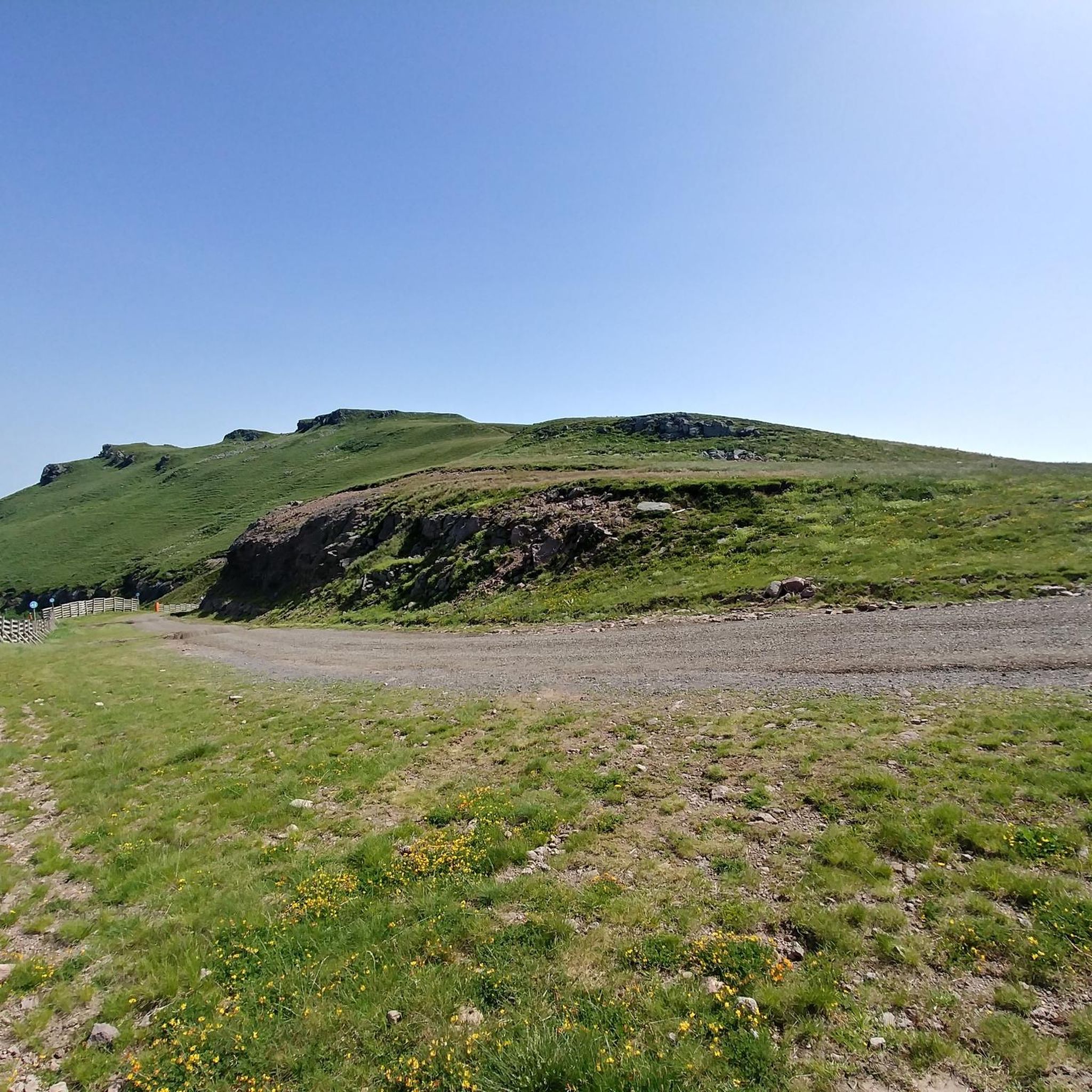
Road Cycling Routes around Saint-Jacques-Des-Blats
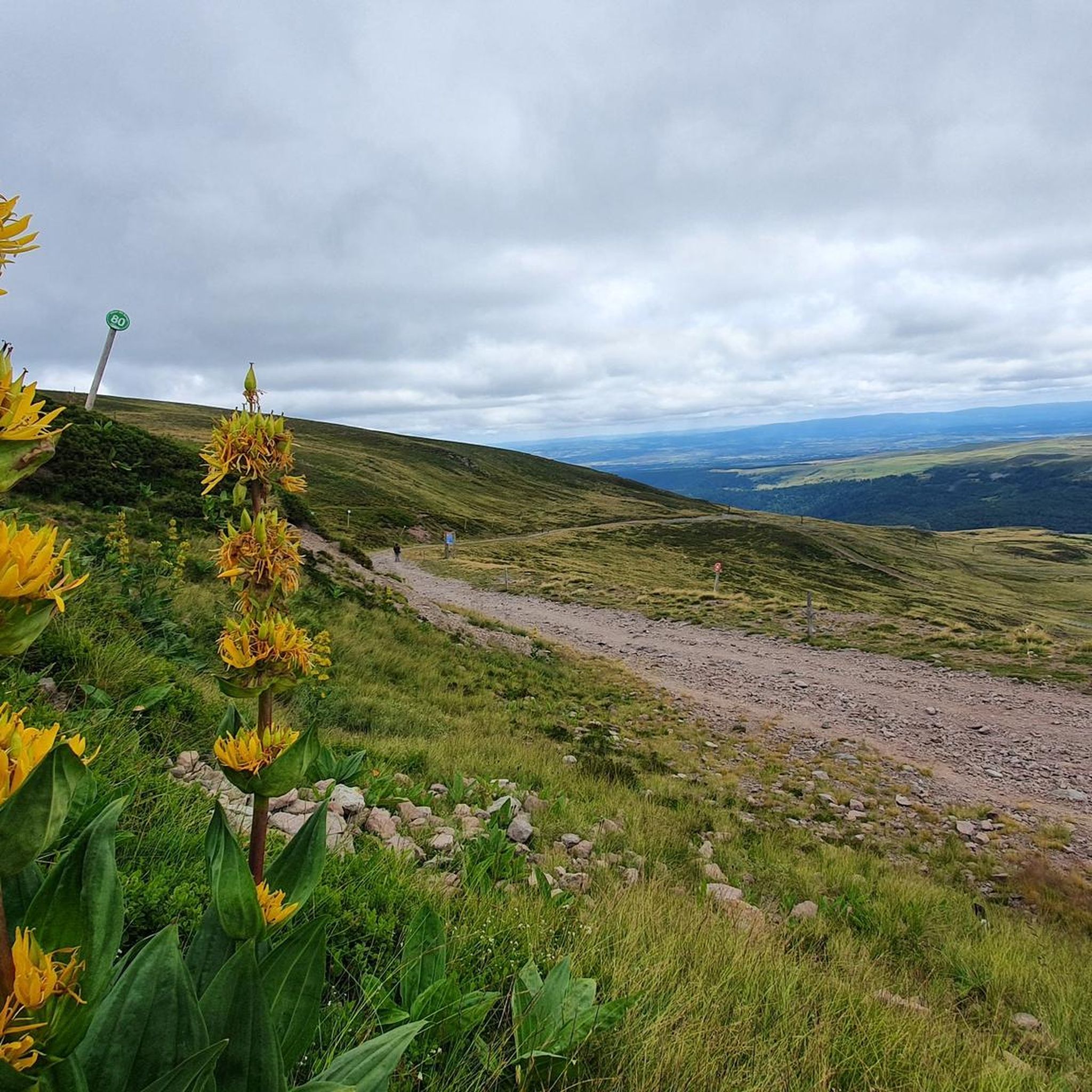
Hiking around Saint-Jacques-Des-Blats
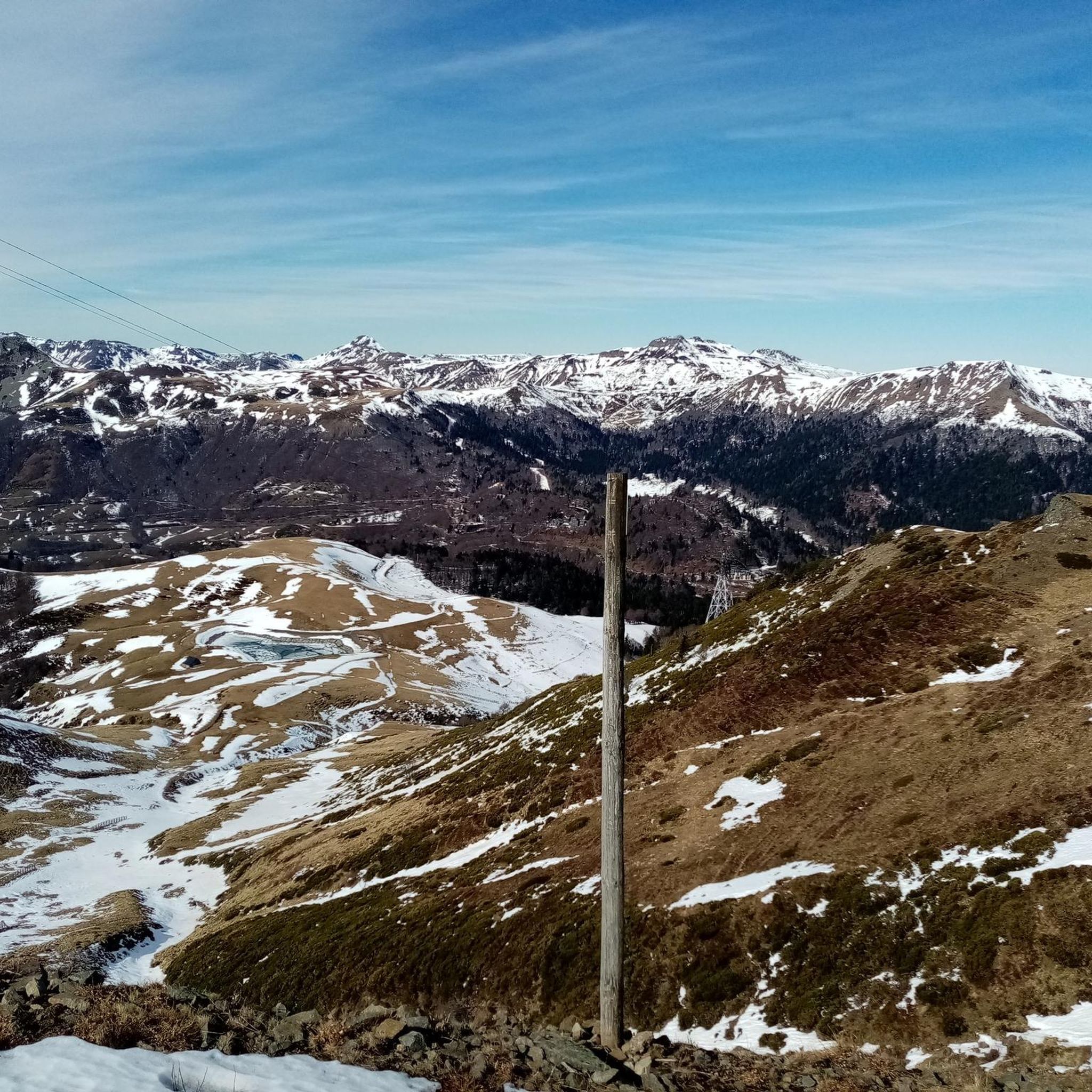
Running Trails around Saint-Jacques-Des-Blats
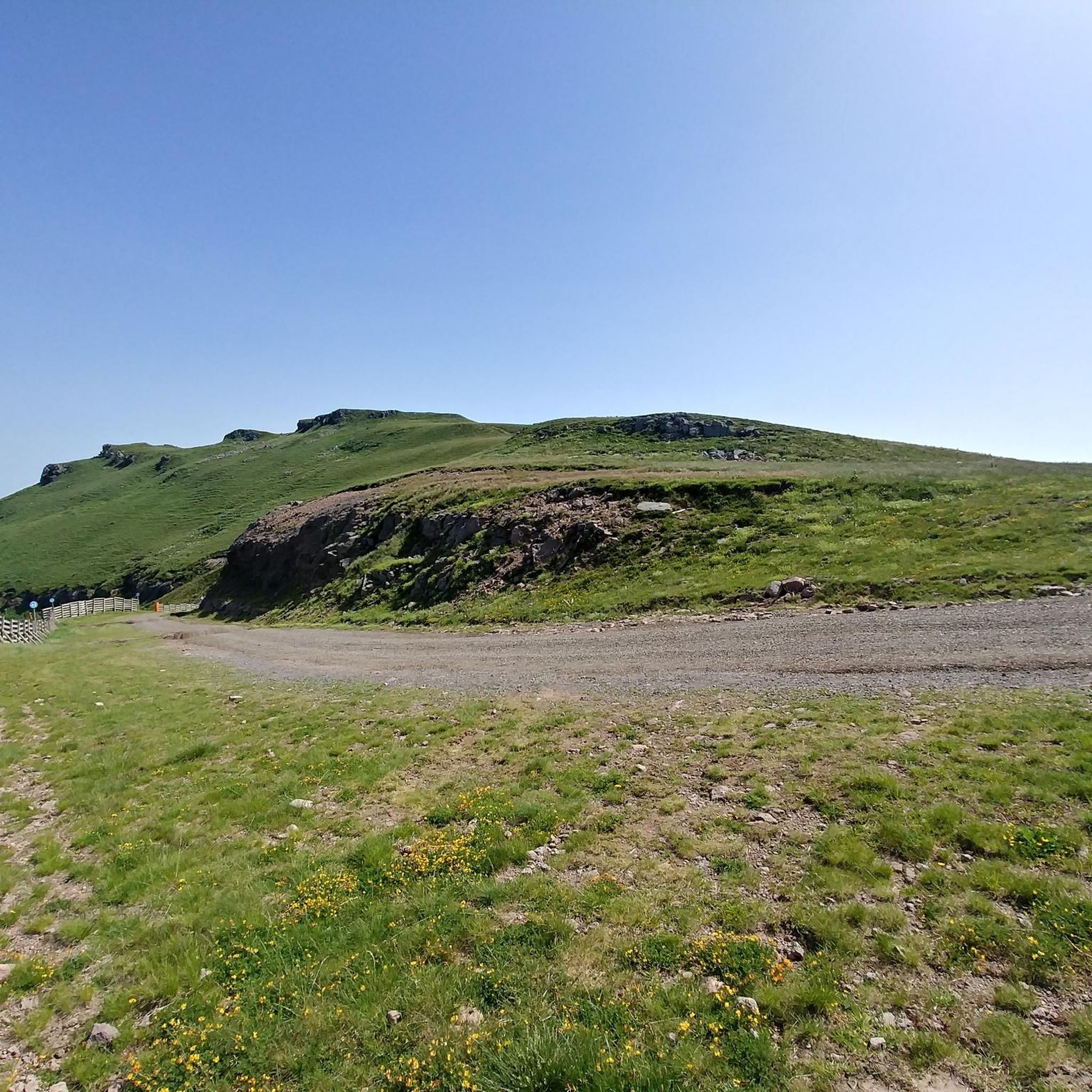
MTB Trails around Saint-Jacques-Des-Blats
Cycling around Saint-Jacques-Des-Blats
Gravel biking around Saint-Jacques-Des-Blats
Mountain Hikes around Saint-Jacques-Des-Blats
Tips from the Community

Very difficult pass on the Mandailles side. The average gradient is not representative because there is a small descent two-thirds of the way up, after a 500m section at 12%.
0
0

Superb and eating at the buron moved
0
0

The Rolland Breach was mildly challenging for this 72yo when dry. Descending in the wet would need good grippy footwear. There is an alternative GR400 track bypass
0
0

At an altitude of 1,588 meters, the Pas de Peyrol is located between the Puy Mary and the Puy de la Tourte. It is known to be the highest road pass in the Massif Central and is worth it, because the last few kilometers have high percentages. There you can admire Puy Mary which peaks at an altitude of 1,783 metres. It is one of the peaks of the Cantal mountains. It is easily recognizable with its pyramidal silhouette.
1
0
A bit of an uphill climb but worth the effort
0
0

This spot in the mountains is known as "Breche de ROLAND". However, the origin of the name does not fit into the Auvergne Rhône Alpes region, but must be located in the very west of the country, on the border region between France and Spain. There, in the north of the Pyrenees Mountains, is the home of the legend of Roland as a brave fighter against the Saracens (who had occupied large parts of the Iberian Peninsula) in the service of Emperor Charlemagne.
4
1

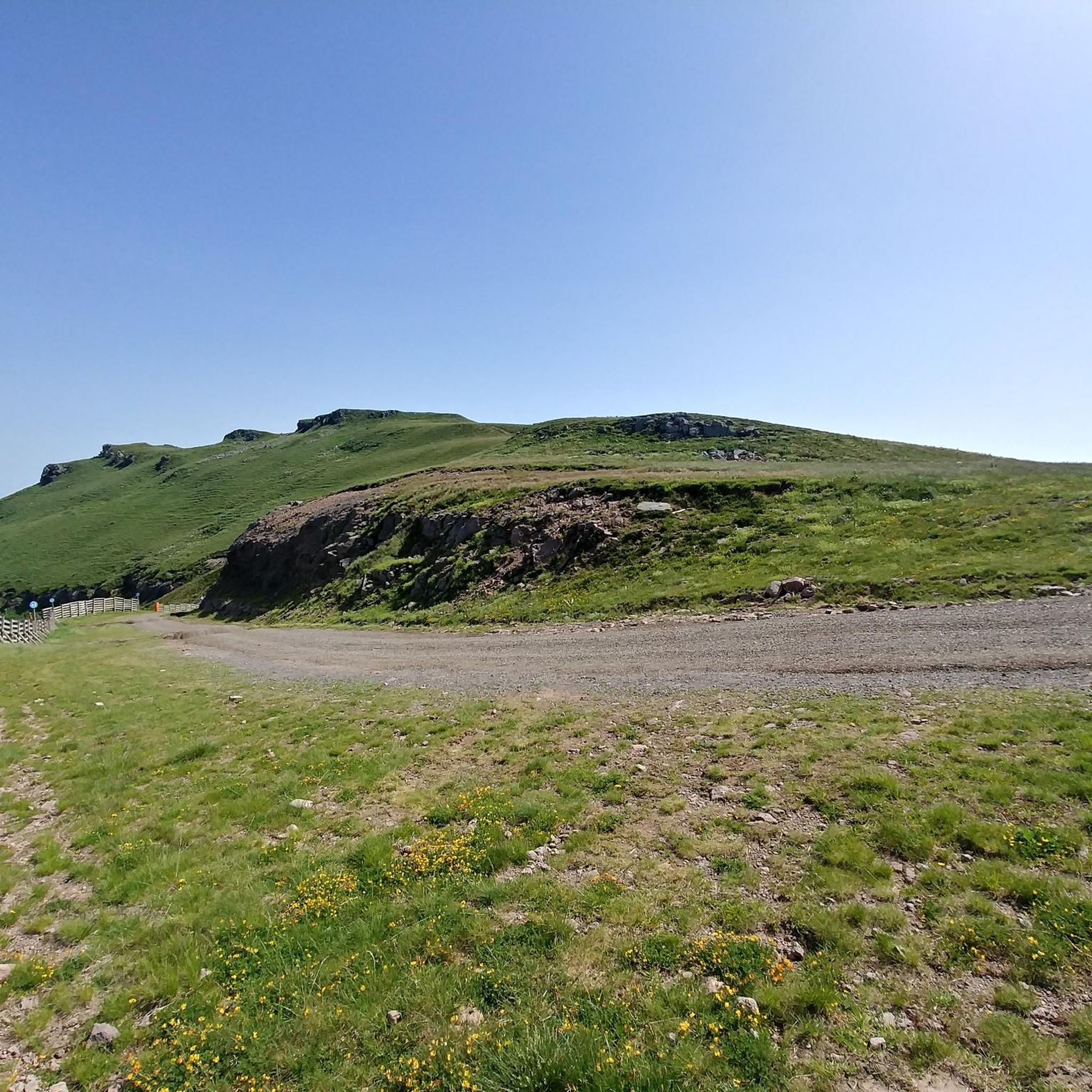
The Brèche de Roland is located on the long ridge that connects Puy Mary to Peyre-Arse. Its name was given to it in reference to the breach of the same name in the Pyrenees. This breach located at an altitude of 1,647 meters is a delicate passage of the GR 4. Made up of alternating ash beds and scoriaceous strata, it can become slippery in rainy weather.
1
3

The Col de Cabre at an altitude of 1,526 meters allows you to pass from the Santoire valley to that of the Jordanne. It offers magnificent views of these valleys. It is also crossed by the GR 4 and 400 (Tour of the Cantal mountains) from Puy Bataillouse to Puy de Peyre-Arse.
1
0
Frequently Asked Questions
Which mountain passes around Saint-Jacques-des-Blats offer the most spectacular views?
For breathtaking panoramic views, the Pas de Peyrol Pass (1,589 m) is highly recommended. As the highest road pass in the Massif Central, it provides a 360° vista of the Auvergne, and on clear days, you might even spot Mont Blanc. From here, a short walk leads to the summit of Puy Mary. Another excellent choice is Cabre Pass, which offers magnificent views of the Santoire and Jordanne valleys.
Are there any family-friendly mountain passes or activities near Saint-Jacques-des-Blats?
Yes, the Pas de Peyrol Pass (1,589 m) is considered family-friendly. While the drive up can be challenging, the pass itself has a parking lot and a site house. From there, a landscaped path leads to the summit of Puy Mary in about 40 minutes, which is manageable for families and offers incredible views. You can also enjoy local specialties at a nearby restaurant.
What kind of hiking opportunities are available around these mountain passes?
The region around Saint-Jacques-des-Blats is a hiker's paradise. Many passes serve as trailheads for various routes. For instance, Cabre Pass is crossed by the GR 4 and GR 400 (Tour of the Cantal mountains). The Col de Font de Cère is an excellent starting point for hikes, including a loop to Puy Griou and connections to Puy Mary. The Roland's Breach is a delicate passage on the GR 4, part of the long ridge connecting Puy Mary to Peyre-Arse. For more detailed hiking routes, explore the Mountain Hikes around Saint-Jacques-Des-Blats guide.
What is the best time of year to visit the mountain passes near Saint-Jacques-des-Blats?
The best time to visit is typically from late spring to early autumn (May to October) when the weather is milder and most roads and trails are open. The road to Pas de Peyrol, for example, is usually closed in winter, from November to April, due to snow. Winter offers opportunities for snow sports, especially around areas like Col de Rombière, which is accessible by chairlift from the Lioran station.
Are there any challenging routes for experienced hikers or cyclists?
Absolutely. For hikers, the ascent to Puy de Peyre Arse via the GR 4 from Puy Mary, following the ridge line, is considered difficult and requires good fitness. The 'Brèche de Rolland' in the Cantal region also presents a technical challenge. For cyclists, the last few kilometers to Pas de Peyrol feature high percentages, making it a demanding climb often included in the Tour de France. You can find challenging cycling routes in the Road Cycling Routes around Saint-Jacques-Des-Blats guide and Gravel biking around Saint-Jacques-Des-Blats guide.
What historical significance do these mountain passes hold?
Many passes in the region have a rich history. The Col de Font de Cère, for instance, was a crucial and often treacherous route before the Lioran tunnel, known for deep snow and even bandits. It was also part of the Tour de France. Col de Rombière is situated on multiple historic trails, including the Via Celtica (an ancient Roman road) and the Via Arvernha (a path of Saint-Jacques-de-Compostelle), highlighting its long-standing importance as a passage.
Can I spot wildlife around the mountain passes?
Yes, the Monts du Cantal, including areas around the passes, are rich in wildlife. Plomb du Cantal, a Natura 2000-listed site, is known for its abundant wildlife, including marmots, mouflons, chamois, and various birds of prey. Hikers around Puy de Peyre Arse, especially in areas like the Cirque d'Eylac, also have good chances of spotting marmots and chamois.
Are there facilities like parking or information centers at the mountain passes?
Yes, at the Pas de Peyrol Pass (1,589 m), you'll find a parking lot and a site house that provides information about Puy Mary and the surrounding region. This site house also offers an audiovisual show about the volcano's formation. Some passes, like Col de Rombière, are accessible via chairlift from the Lioran station, especially popular in winter.
What is the highest point I can reach in the Cantal Massif?
The highest point in the Cantal Massif is Plomb du Cantal, standing at 1,855 meters. It's the second-highest peak in the entire Massif Central. You can reach its summit by a 10-minute cable car ride from Le Lioran resort, followed by a 20-minute walk, or via more challenging hikes on the GR4.
What makes Puy Griou a notable peak in the region?
Puy Griou, at 1,694 meters, is an emblematic volcano in the heart of the Monts du Cantal, known for its distinct conical shape and unique phonolite cone at its summit. It offers demanding but rewarding trails and breathtaking panoramic views of the surrounding valleys and peaks, including Puy Mary and Plomb du Cantal. Its unique geological features and local legends add to its appeal.
Which mountain passes are part of long-distance hiking trails?
Several passes are integral to long-distance hiking networks. Col de Font de Cère is on both the GR 4 and GR 400. Col de Rombière is a key point on the GR4, GR 400 (Tour des Monts du Cantal), Via Celtica, and Via Arvernha. Cabre Pass is also crossed by the GR 4 and GR 400, connecting the Santoire and Jordanne valleys. The Roland's Breach is a specific passage on the GR 4.
What can I expect from the geological features of the Cantal mountain passes?
The mountain passes and peaks in the Cantal region are part of the volcanic Massif Central, offering unique geological formations. Plomb du Cantal, for example, features a basalt mound remnant of a lava lake. Puy de Peyre Arse is characterized by its distinctive double top and rugged 'burnt stone' appearance, formed by trachyandesite flows. Puy Griou is a stratovolcano with a distinct phonolite cone. These features provide a fascinating landscape for geology enthusiasts.
Most popular routes around Saint-Jacques-Des-Blats
Most popular attractions around Saint-Jacques-Des-Blats

Get inspired with the komoot mobile app


Explore more
See even more epic mountain passes by checking out these guides around Saint-Jacques-Des-Blats:
