Attractions and Places To See around Walmesdorf - Top 20
Best attractions and places to see around Walmesdorf include a mix of historical sites, industrial heritage, and scenic cycling routes. The region is characterized by its connection to the Moselle River and its significant role in 20th-century history, particularly with the Maginot Line and the steel industry. Visitors can explore fortifications, former industrial complexes, and enjoy routes suitable for cycling. The area offers diverse opportunities for exploration, from historical tours to outdoor activities.
Best attractions and places to see around…
Last updated: May 11, 2026
Charles le Téméraire cycle route
Highlight (Segment) • Cycleway
Translated by Google •
Tip by

U4 - Blast Furnace Park (Uckange)
Highlight • Other
Translated by Google •
Tip by
Sign up now to discover places like this
Get recommendations on the best single tracks, peaks, & plenty of other exciting outdoor places.
Sign up for free
Ouvrage du Kobenbusch
Highlight • Historical Site
Translated by Google •
Tip by

Ouvrage de Galgenberg (Maginot Line)
Highlight • Historical Site
Tip by

Hackenberg Fort
Highlight • Historical Site
Translated by Google •
Tip by

Sign up for free to discover even more attractions around Walmesdorf.
Sign up for free
Already have an account?
Start today with a free account
Your next adventure awaits.
Login or Signup
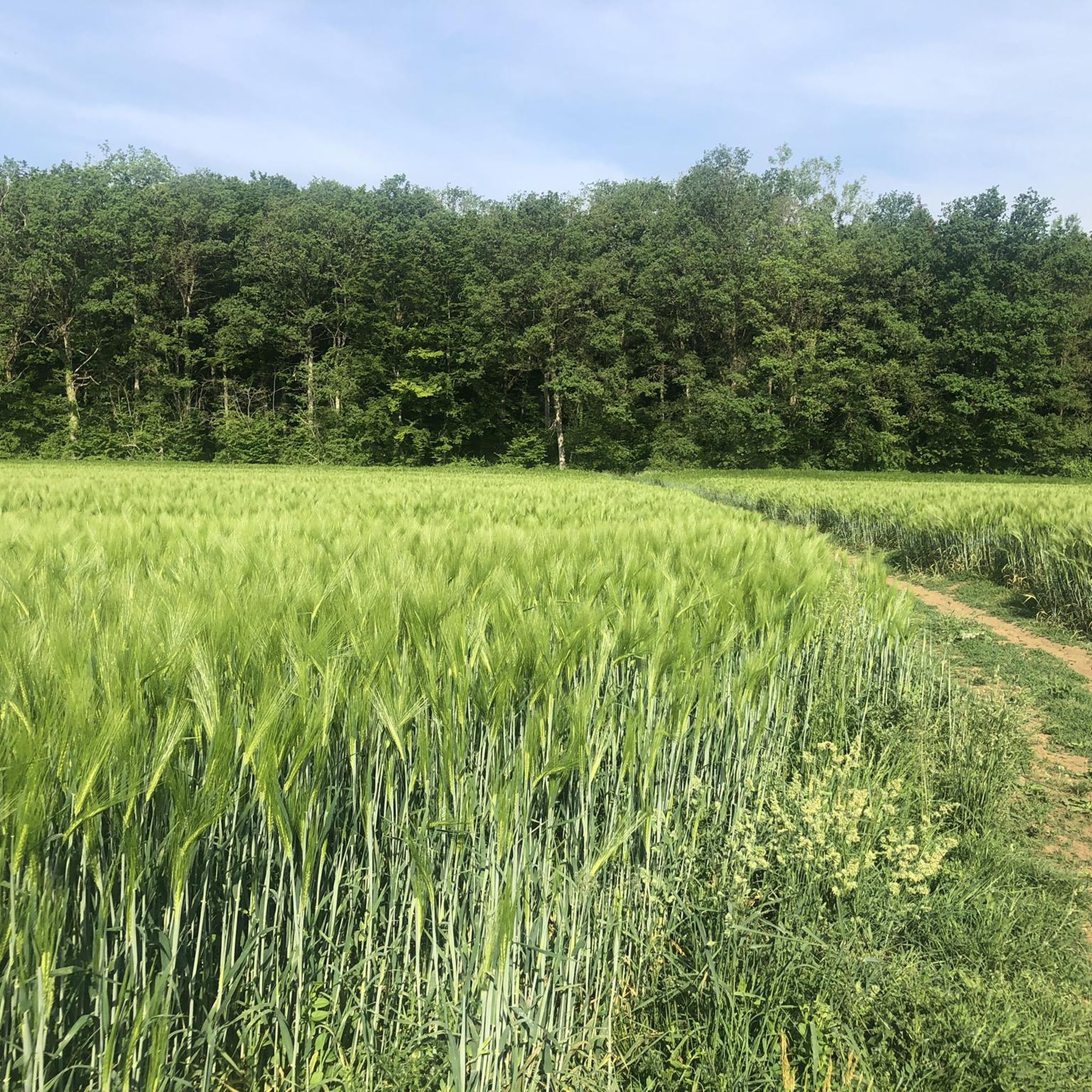
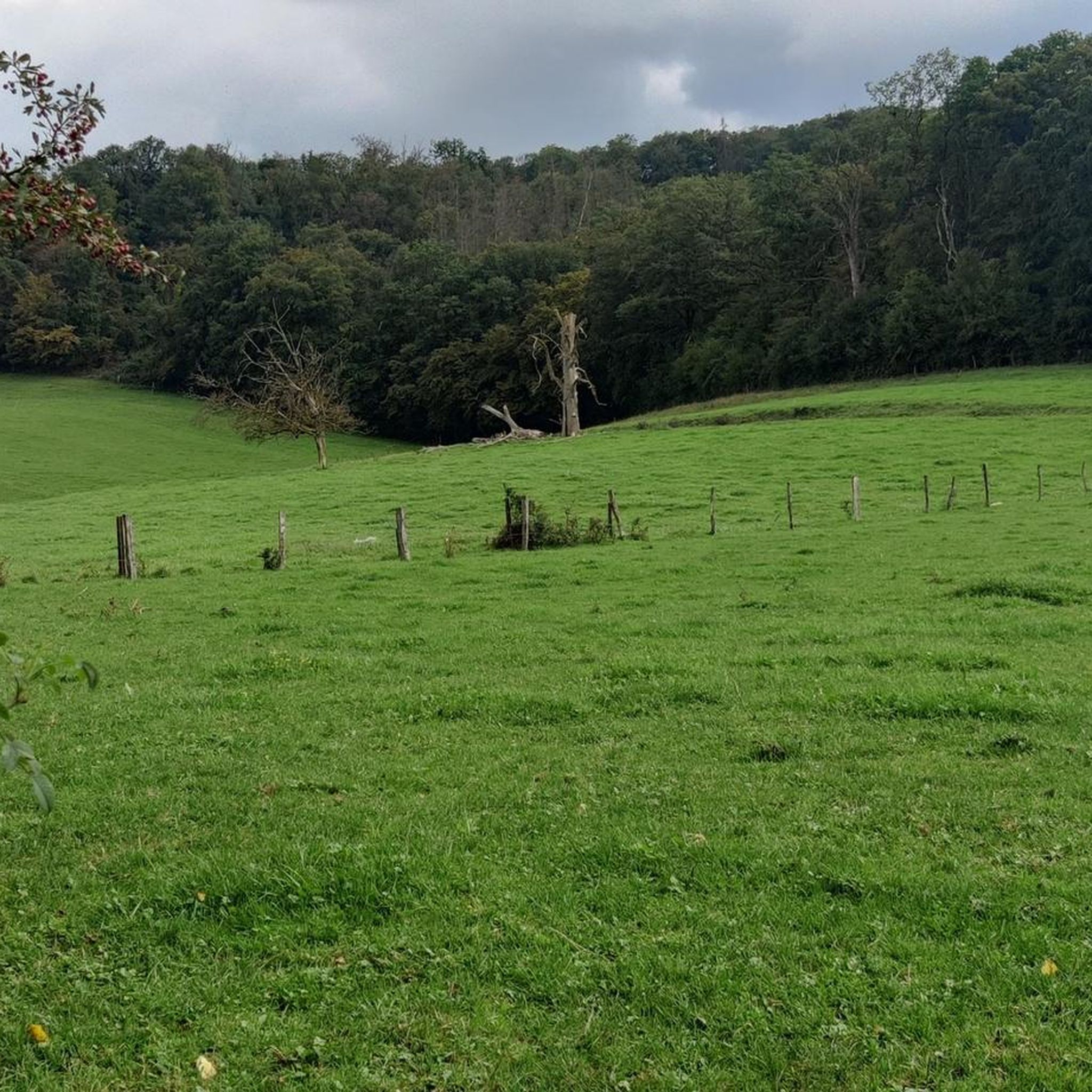
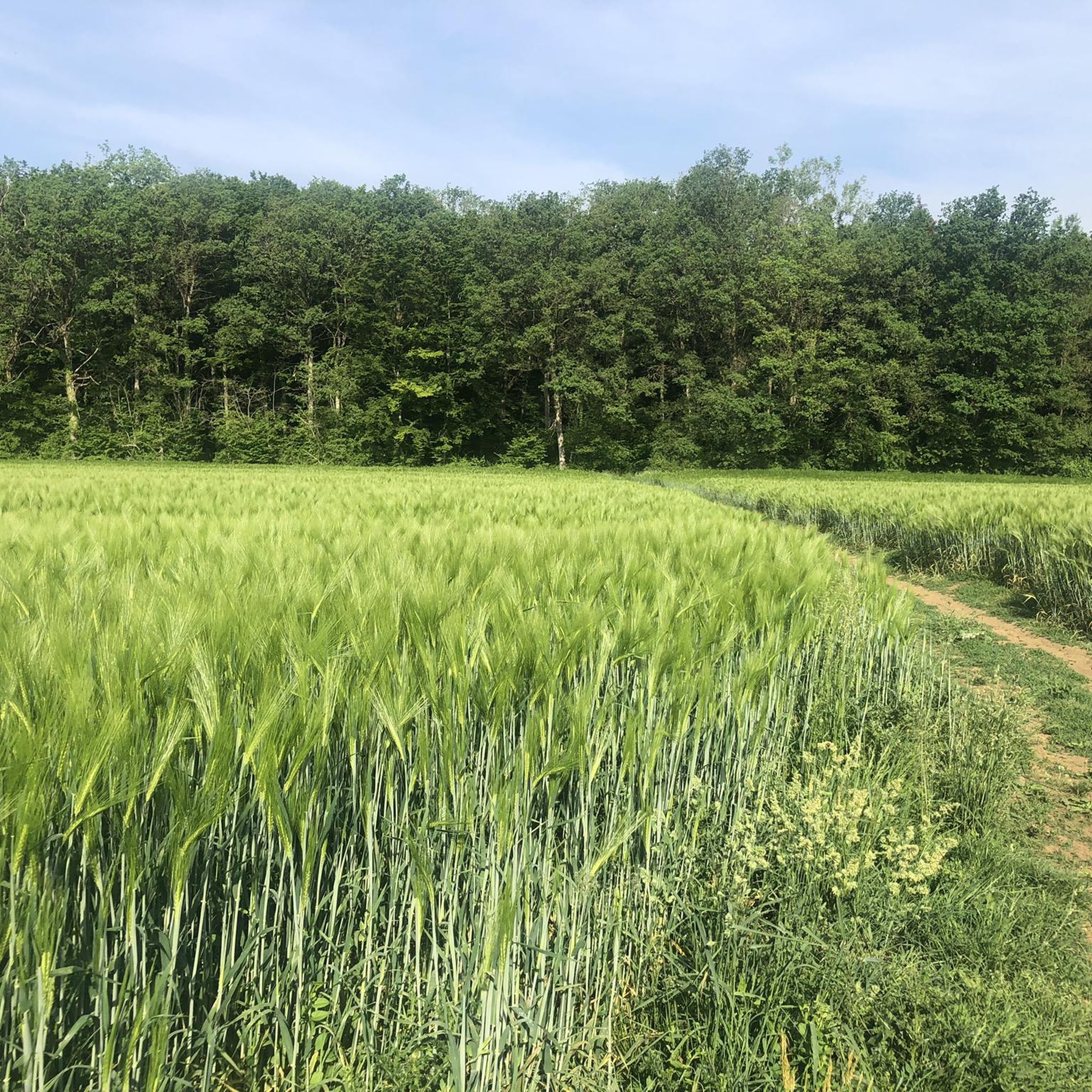
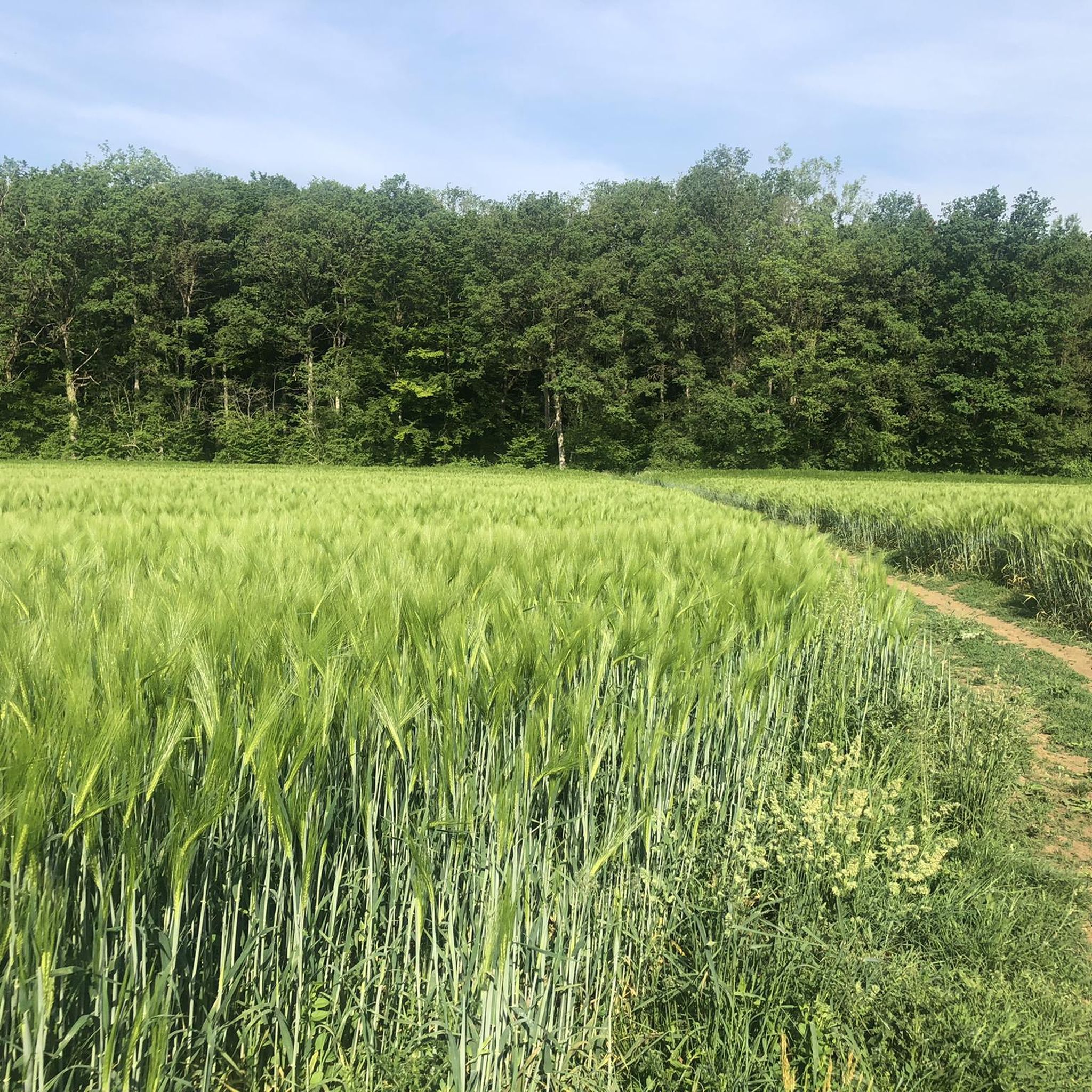

Tips from the Community

Really fantastic cycle path
0
0

🛡️ **Ouvrage du Hackenberg** – The Largest Fortification of the Maginot Line** The **Ouvrage du Hackenberg** near **Veckring** is the most impressive and largest fortification of the **Maginot Line** – a real must-see for history buffs. Built between 1929 and 1935, it includes: 🔩 **17 combat and entry blocks**, 🚇 over **10 km of underground tunnels**, 🚂 an **internal electric railway**, ⚙️ barracks, ammunition depots, a hospital, and a power supply. During World War II, the fort was combat-ready, but was evacuated without a fight after the armistice in 1940. The French Army later reused the facility during the Cold War. 🎟️ Today, Hackenberg has been beautifully restored and can be visited on guided tours – including a ride on the original narrow-gauge railway. Tip: Be sure to take a guided tour – it lasts about two hours. The underground coolness is pleasant even in summer! It's ideal for a half-day excursion with a historical twist.
0
0
🛡️ **Ouvrage de Kobenbusch – Mighty Fortification of the Maginot Line** The **Ouvrage de Kobenbusch**, located south of Cattenom near the Luxembourg border, is one of the large underground fortifications of the **Maginot Line**. It was built between 1930 and 1935 and consisted of several combat blocks, underground connecting tunnels, a barracks, ammunition depots, and machine rooms – on several levels, anchored deep in the limestone. ⚙️ Particularly noteworthy: The technical systems were designed to be self-sufficient for months – including power generation, ventilation, a kitchen, and a hospital. The fort was occupied without a fight during World War II, continued to be used in part after the war, and is now privately owned. 🚷 It's **not open to the public**, but some ventilation towers and blockhouses are still visible in the forest near the D64 road (between Cattenom and Berg-sur-Moselle). **Tip:** For Maginot fans, a walk through the forest is worthwhile – with a little research, you'll find several bunker remains. Respect barriers, as some entrances are unstable or secured.
1
0
🛡️ **Ouvrage du Galgenberg – A Deep Look into the Maginot Line** The **Ouvrage de Galgenberg** is a large underground fortification of the **Maginot Line**, located south of Cattenom. It was built between 1930 and 1935 and served to defend the French border against Germany. The complex consists of several **combat bunkers**, **barracks**, **tunnels**, and **supply facilities** located deep underground. During the Cold War, the fort was modernized and remained in active use until the 1980s. 🔦 Today, it is accessible for guided tours (registration only), including a view of the original equipment: rails, power supply, ventilation systems, and gun emplacements. **Tip:** Ideal for military and history buffs – bring warm clothing, as it's chilly inside! Guided tours with former soldiers or experts are particularly impressive.
1
0

The Voie Bleue runs from the fortified town of Thionville, with its two lock bridges, true masterpieces of military architecture, along the port of Illange, the first river port for metallurgical products, passing by its industrial heritage and the former U4 blast furnace, one of the few buildings of the 20th century steel industry that is now a cultural and historical centre. Just before Metz, the cycle path crosses a beautiful wetland with idyllic ponds. Take the opportunity of your stay in the Lorraine capital to stroll through the old town: the Saint-Etienne Cathedral and the Pompidou-Metz Centre for Contemporary Art are two must-sees.
5
0

A super asphalted one-way road leads up to the fort and back down again 🚴👍
1
0

Here, we pass over the canalized Moselle, it's really pleasant.
1
0

beautiful rosel section
1
0
Frequently Asked Questions
Are there family-friendly attractions around Walmesdorf?
Yes, the region offers several family-friendly options. The Charles le Téméraire cycle route provides a safe and enjoyable bike ride along the Moselle canal, passing through wetlands. For a historical experience, Hackenberg Fort offers a fascinating 3-hour presentation, including a turret demonstration, which can be engaging for older children interested in history.
What historical sites related to the Maginot Line can I visit near Walmesdorf?
The Walmesdorf area is rich in Maginot Line history. You can explore Hackenberg Fort, which offers a unique 3-hour presentation and turret demonstration. Other significant fortifications include Ouvrage du Kobenbusch, which you can explore during a walk around its lake, and Ouvrage de Galgenberg, a large underground fortification that offers guided tours by registration.
Where can I learn about the industrial heritage of the Walmesdorf region?
To delve into the region's industrial past, visit U4 - Blast Furnace Park (Uckange). This site preserves the last remaining blast furnace of the Uckange metallurgical plant, offering guided tours that highlight the French steel industry. It's a listed building and a powerful symbol of the area's industrial history.
What cycling opportunities are available around Walmesdorf?
Cycling is a popular activity in the area. The Charles le Téméraire cycle route is a highlight, following the Moselle canal between Metz and Thionville, offering a safe and scenic ride through wetlands. For more options, you can find various road cycling routes around Walmesdorf, including moderate trails like the "Speed on the Moselle Cycle Route" loop. Explore more routes on the Road Cycling Routes around Walmesdorf guide.
Are there hiking trails suitable for different skill levels near Walmesdorf?
Yes, Walmesdorf offers a variety of hiking trails. You can find easy loops like the "Cercle Nautique de Basse-Ham loop from Basse-Ham" (7.1 km) or moderate options such as the "Hiking loop from Cité" (14 km). These trails allow you to explore the natural beauty and historical sites of the region. For a comprehensive list of trails, refer to the Hiking around Walmesdorf guide.
What are the options for mountain biking near Walmesdorf?
Mountain biking enthusiasts will find several moderate trails around Walmesdorf. Routes like the "Anhydrite descent – Path to Montzel loop from Stuckange" (48.2 km) or the "Hackenberg Historical Bunker – Isolated Farm with Blue Shutters loop from Basse-Ham" (49.5 km) offer challenging and scenic rides. There are also easier options available. Discover more trails in the MTB Trails around Walmesdorf guide.
What do visitors enjoy most about the attractions around Walmesdorf?
Visitors particularly appreciate the blend of historical depth and natural beauty. The immersive historical experiences at Maginot Line forts like Hackenberg Fort, with its unique presentations, are highly rated. The scenic and safe cycling along the Charles le Téméraire cycle route, especially through wetlands, is also a favorite. The industrial heritage at U4 - Blast Furnace Park offers a unique cultural insight.
Are there any hidden gems or less-known spots worth visiting?
While not widely advertised, the walk around the lake near Ouvrage du Kobenbusch offers a superb experience, combining natural scenery with glimpses of Maginot Line fortifications and a dam. It's a great way to explore history in a more tranquil setting.
Is it possible to visit the Maginot Line fortifications during winter?
Visiting Maginot Line fortifications like Ouvrage de Galgenberg is generally possible year-round, but it's important to note that it can be quite chilly inside the underground complexes even in warmer months. During winter, dress warmly in layers. It's advisable to check specific opening hours and tour availability for individual sites, as some may have reduced schedules or require advance booking.
Are there any attractions that are accessible for visitors with mobility challenges?
While many historical sites involve stairs or uneven terrain, the Charles le Téméraire cycle route, being a dedicated cycle path, offers a relatively flat and paved surface, making it more accessible for those using wheelchairs or strollers. For specific accessibility information regarding other attractions, it is recommended to contact the sites directly.
What is the best time of year to visit Walmesdorf attractions?
The spring and autumn months generally offer the most pleasant weather for exploring the outdoor attractions and cycling routes around Walmesdorf. The Charles le Téméraire cycle route is particularly enjoyable during these seasons. For historical sites like the Maginot Line forts, visits are possible year-round, but dressing in layers is recommended as it can be cool inside the underground structures regardless of the season.
Most popular routes around Walmesdorf

Get inspired with the komoot mobile app


Explore more
Still not found the Highlight you’re looking for? See guides of the top attractions in other regions:
