Attractions and Places To See around Pouzols-Minervois - Top 20
Attractions and places to see around Pouzols-Minervois include a blend of historical landmarks, cultural sites, and natural features. This fortified village in the Aude department of France is built on a rocky outcrop, offering insights into its rich heritage. The surrounding Minervois region provides a landscape of hills, scrubland, and vineyards. Visitors can explore the village's preserved ramparts and access nearby natural and historical points of interest.
Best attractions and places to see around Pouzols-Minervois
- The most popular attractions is Minerve, a settlement that sits on a rock at the confluence of two rivers, creating a peninsula-shaped site. It is classified as one of the most beautiful villages in France and was a fortress of the Cathars.
- Another must-see spot is The Port of Somail, a settlement and port on the banks of the Canal du Midi. This hamlet was a significant stop for the post boat from Toulouse and has inspired many painters with its picturesque setting.
- Visitors also love Junction of the Canal du Midi and the Canal de la Robine, a canal feature where the Canal de Jonction branches off the Canal du Midi. This junction provides a direct connection from the Canal du Midi to the Mediterranean Sea.
- Pouzols-Minervois is known for its historical sites, wine-producing heritage, and access to the Canal du Midi. The area offers a variety of attractions to see and explore, from ancient churches to cooperative cellars and natural landscapes.
- The attractions around Pouzols-Minervois are appreciated by the komoot community, with over 322 upvotes and 105 photos shared by visitors.
Last updated: August 29, 2026
The Port of Somail
Highlight • Settlement
Translated by Google •
Tip by

Junction of the Canal du Midi and the Canal de la Robine
Highlight • Other
From here there is already a direct connection from the Canal du Midi to the Mediterranean Sea.
There is a small bar directly at the junction, which unfortunately was closed at the time I came by.
Translated by Google •
Tip by

Sign up now to discover places like this
Get recommendations on the best single tracks, peaks, & plenty of other exciting outdoor places.
Sign up for free
Minerve
Highlight • Settlement
Translated by Google •
Tip by

View over Paraza
Highlight • Settlement
Translated by Google •
Tip by
Canal du Midi near Ventenac-en-Minervois
Highlight • Other
Translated by Google •
Tip by

Sign up for free to discover even more attractions around Pouzols-Minervois.
Sign up for free
Already have an account?
Start today with a free account
Your next adventure awaits.
Login or Signup
Tips from the Community

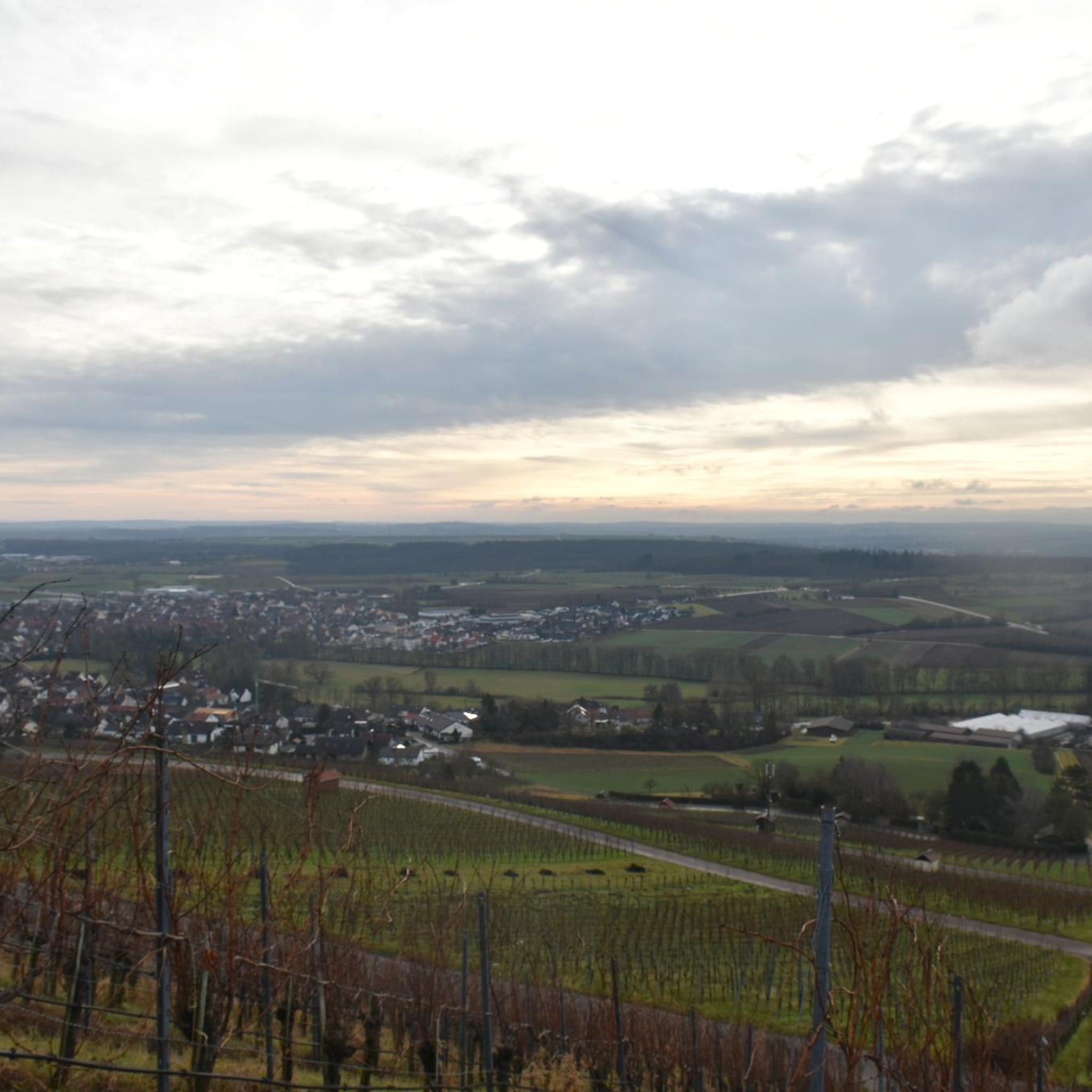
Paraza is a wine-growing village in the Minervois region of the Aude, rich in its history dating back beyond the Roman period. It is marked by the construction of the Canal du Midi, during which Pierre Paul Riquet resided at the Château de Paraza during the works on the Canal and the Pont canal du Répudre.
0
0
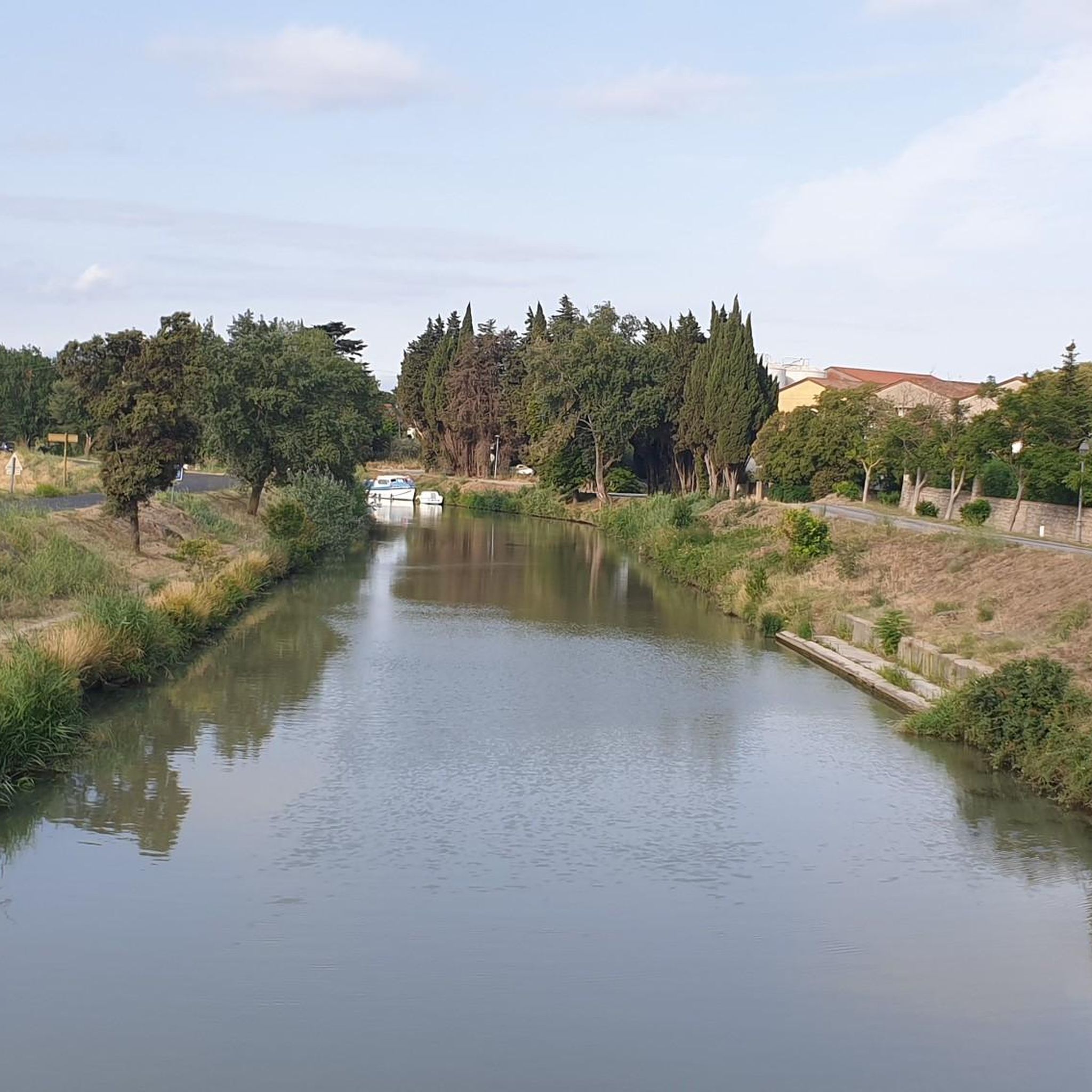
The Canal du Midi, formerly Canal Royal, is a 17th-century technical feat designed by Pierre-Paul Riquet to connect the Atlantic to the Mediterranean. Today, it is above all a place for relaxation and discovery, where heritage, nature, and conviviality blend together.
0
0
Le Somail features remarkable buildings, including the inn, which has retained the same appearance as in 1773, the chapel, built between 1684 and 1693, and even an ice house. This supplied the inn and the shops of Le Somail with ice during the hot summer days of Languedoc. Everything is still in place! In the heart of the village is the Pont Saint-Marcel with its remarkable semi-circular shape, typical of the early bridges of the Canal du Midi. Nearby, one can still admire the guard's house, which also housed the postmen. On the banks of the canal, you can still see the old watering trough for the draft horses.
0
0
The Junction Canal was commissioned in 1787 to connect the Canal du Midi to the Canal de la Robine in Narbonne. 5 km long, it is partly lined with magnificent umbrella pines that shelter you from the sun. This canal is part of the UNESCO World Heritage site "Canal du Midi", just like the Canal de la Robine.
0
0


We pass along the Canal du MIDI to arrive at the small port so characteristic of SOMAIL. A picture-postcard landscape when the blue sky and the sun accompany you.
0
0


Pretty village along the Canal du Midi. Don't miss the old post box...
0
0
Frequently Asked Questions
What historical and cultural sites can I explore within Pouzols-Minervois?
Within the fortified village of Pouzols-Minervois, you can visit the Saint-Saturnin Church, an 11th-century Romanesque church with a basaltic bell tower and a 16th-century 'Madonna and Child' statue. Explore the remnants of the Pouzols Castle, dating back to the 18th century, and walk along the preserved sections of the village's ramparts. Don't miss the 19th-century Fountain on the Place de la Rosée and the vestiges of an ancient hospital from 1142.
Are there any wine-related attractions in Pouzols-Minervois?
Yes, Pouzols-Minervois is a wine-producing area. You can visit the Coteaux de Pouzols Cooperative Cellar for a discovery and tasting experience; its cellars are dug into the rock. Additionally, the Jardin de Bacchus offers a pleasant space to learn about different southern grape varieties.
What natural features and viewpoints are there around Pouzols-Minervois?
The area surrounding Pouzols-Minervois is characterized by hills, scrubland, vineyards, and wooded plots. You can find numerous viewpoints offering scenic vistas of the coastal plain between Béziers and Narbonne, and even the Pyrenean peaks on clear days. The village itself is built on a rocky outcrop, providing elevated perspectives.
What outdoor activities are available near Pouzols-Minervois?
The region is ideal for hiking, with opportunities to explore hills, scrubland, and vineyards. The GR7 route, connecting Alsace to Andorra, passes nearby, and the banks of the Canal du Midi are easily accessible for walking and cycling. For more specific routes, you can find MTB Trails, Running Trails, and Gravel Biking routes around Pouzols-Minervois.
Are there family-friendly attractions in the area?
Many attractions around Pouzols-Minervois are suitable for families. The Port of Somail on the Canal du Midi is a picturesque spot with a rich history that can be enjoyed by all ages. The Junction of the Canal du Midi and the Canal de la Robine offers pleasant cycling paths along the canal, which are generally flat and safe for family outings.
What are some notable nearby villages or towns to visit?
Several charming villages and towns are easily accessible. Minerve, classified as one of France's 'Most Beautiful Villages,' is about 10 km away. Aigne and Bize-Minervois are approximately 5 km from Pouzols-Minervois, with Bize-Minervois known for its popular swimming river. Narbonne, about 19 km away, offers a Gothic cathedral and Archbishops' Palace.
What is the significance of the Canal du Midi in this region?
The Canal du Midi, a UNESCO World Heritage Site, is only minutes away by car. It's a central feature of the region, offering opportunities for cycling and walking along its banks. The Minervois Wine Route often runs alongside it. Key points of interest include the Port of Somail and the Junction of the Canal du Midi and the Canal de la Robine, which connects to the Mediterranean Sea.
Are there any ancient Roman remnants to discover?
Yes, the area holds traces of its ancient past. You can discover elements of Roman bridges in the surroundings of Pouzols-Minervois, highlighting the historical depth of the region.
What do visitors enjoy most about the attractions around Pouzols-Minervois?
Visitors particularly appreciate the blend of historical sites and natural beauty. The picturesque settings along the Canal du Midi, such as the Port of Somail, are often highlighted for their charm and inspiration for artists. The well-preserved historical core of villages like Minerve and the scenic views from various points are also highly rated.
Where can I find a good view of the surrounding area?
For a superb view of the town of Paraza and the Minervois region, head to the View over Paraza highlight. The environment around Pouzols-Minervois itself, with its hills and rocky outcrops, also provides many natural viewpoints.
Are there any significant abbeys or castles nearby?
Beyond the Pouzols Castle within the village, the 12th-century Fontfroide Abbey is approximately 19 km from Pouzols-Minervois and is a significant historical site worth visiting. The medieval citadel of Carcassonne, a UNESCO World Heritage Site and former Cathar stronghold, is also a major attraction in the broader region.
Can I learn about olive oil production in the area?
Yes, you can visit The Olive Oil Cooperative Oulibo in Bize-Minervois. This cooperative offers themed visits and activities focused on olive production, providing insight into another important agricultural aspect of the region.
Most popular routes around Pouzols-Minervois
Most popular attractions around Pouzols-Minervois

Get inspired with the komoot mobile app


Explore more
Still not found the Highlight you’re looking for? See guides of the top attractions in other regions:
