The best road cycling routes around Le Monastier-Sur-Gazeille
4.6
(84)
1,943
riders
15
rides
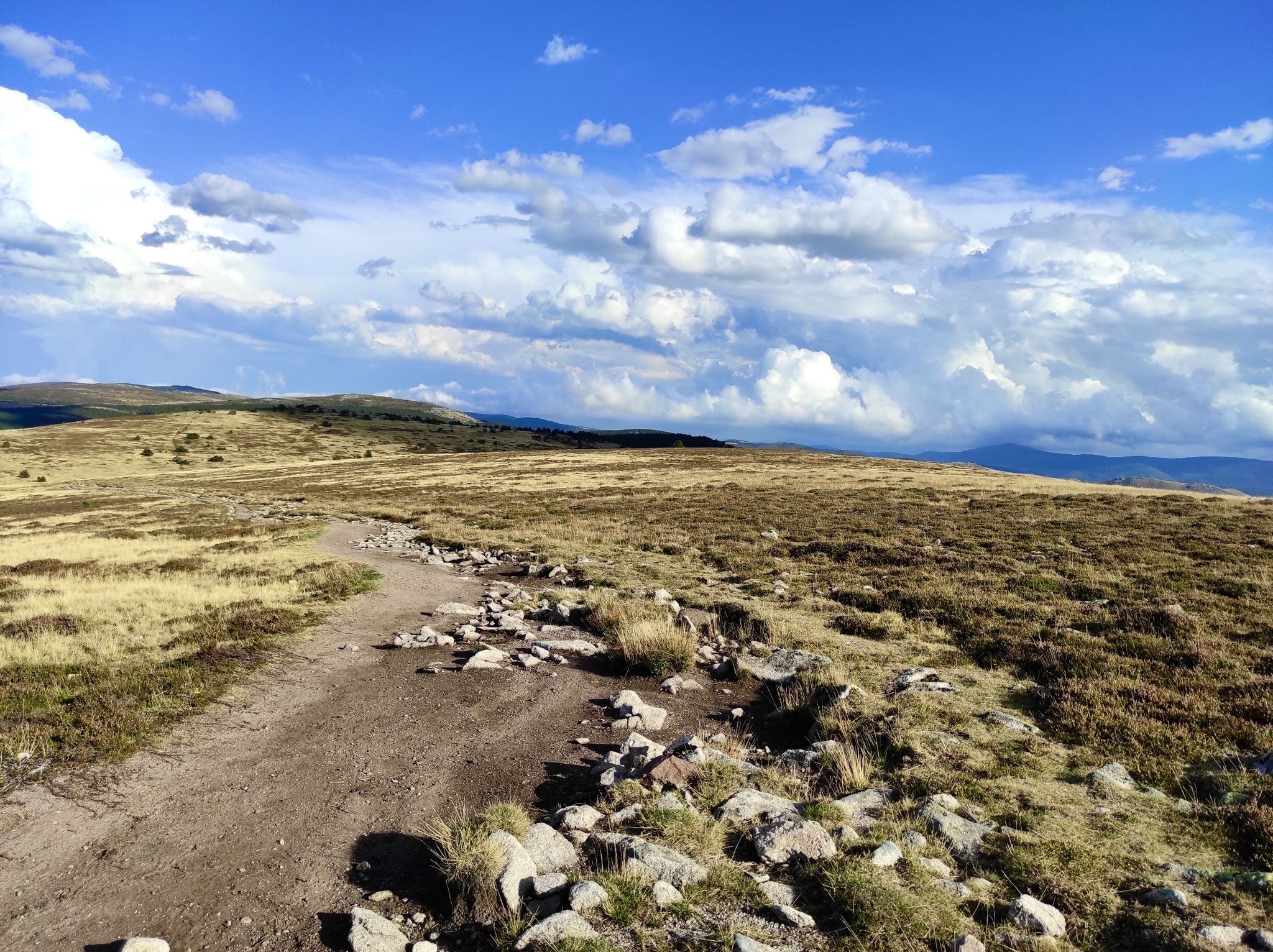
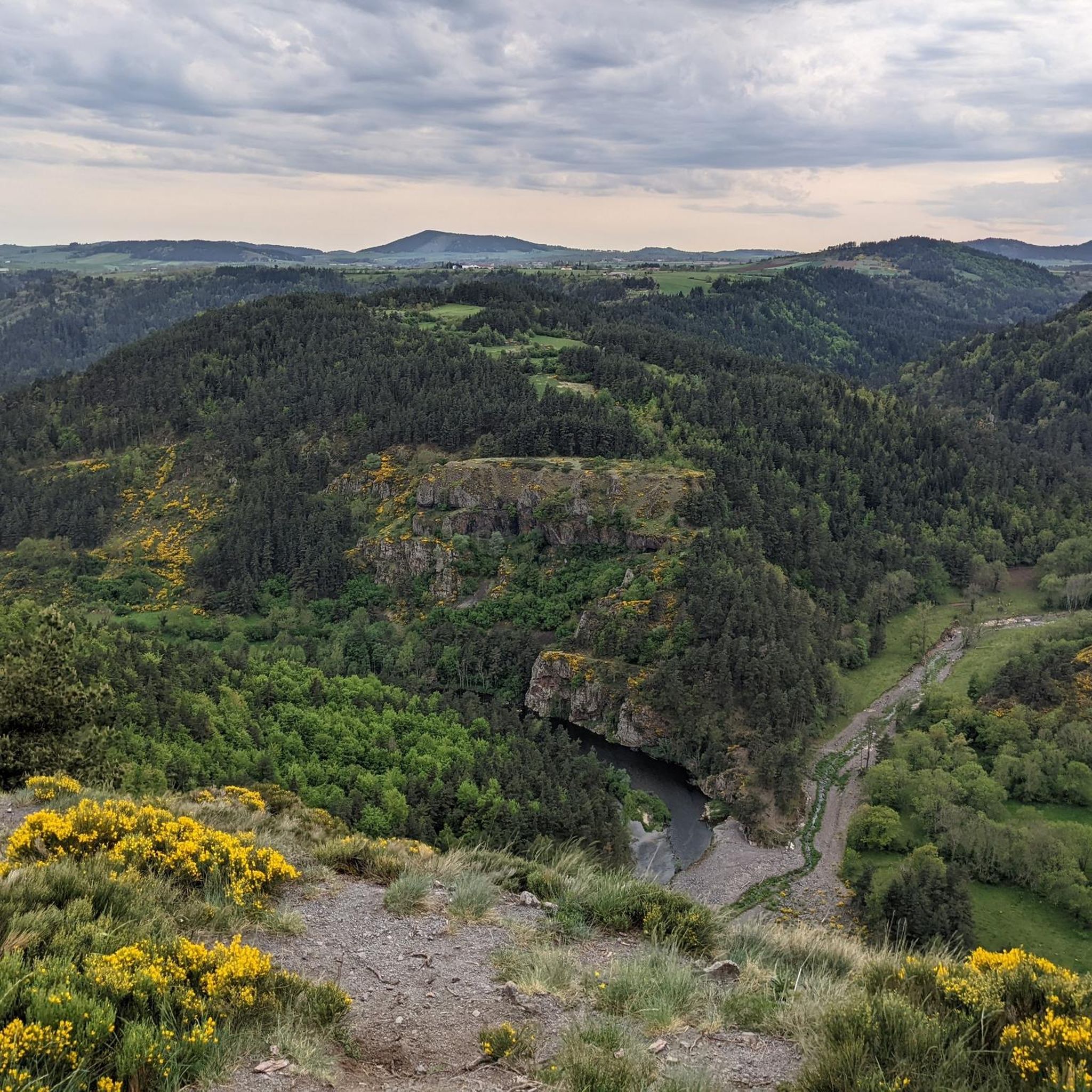
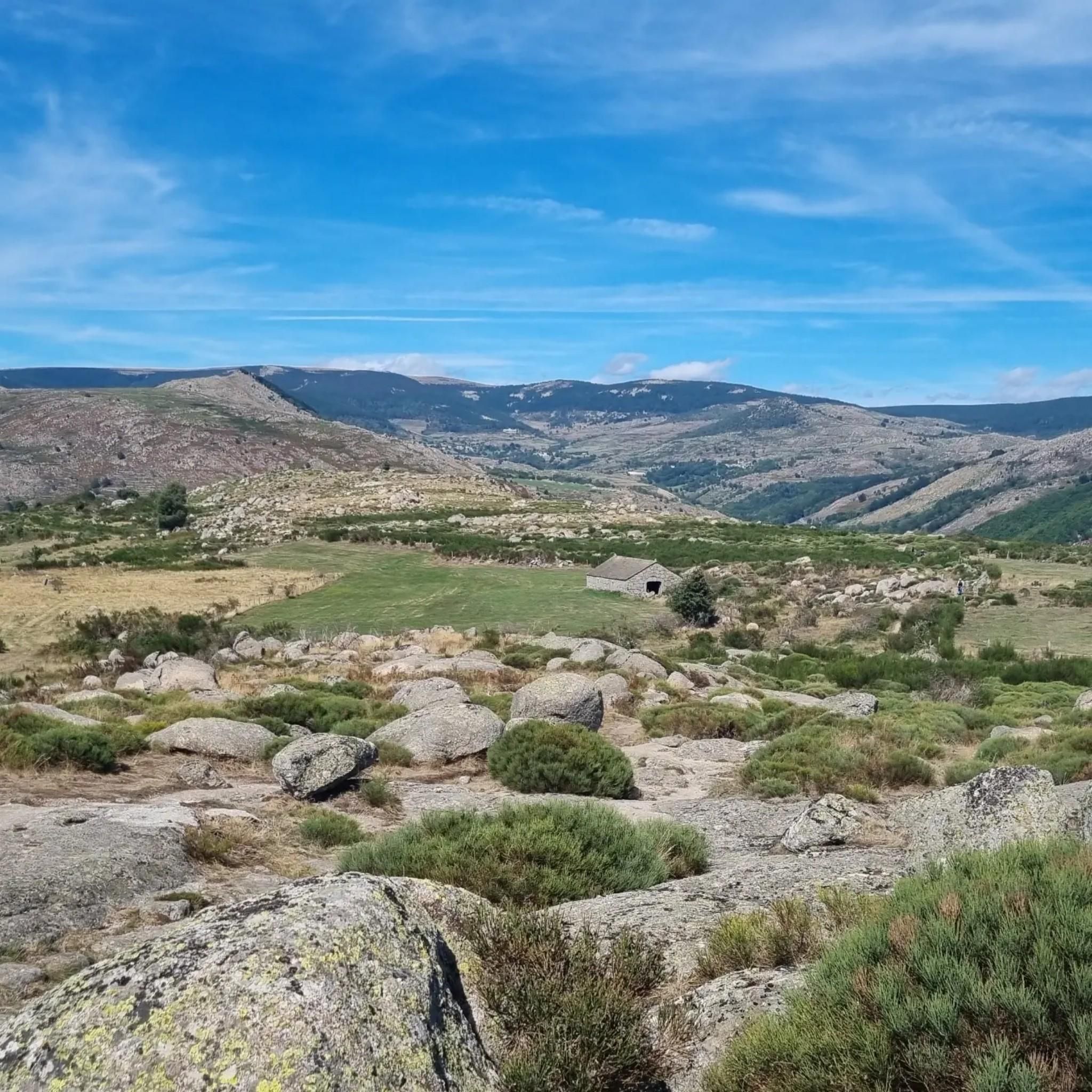
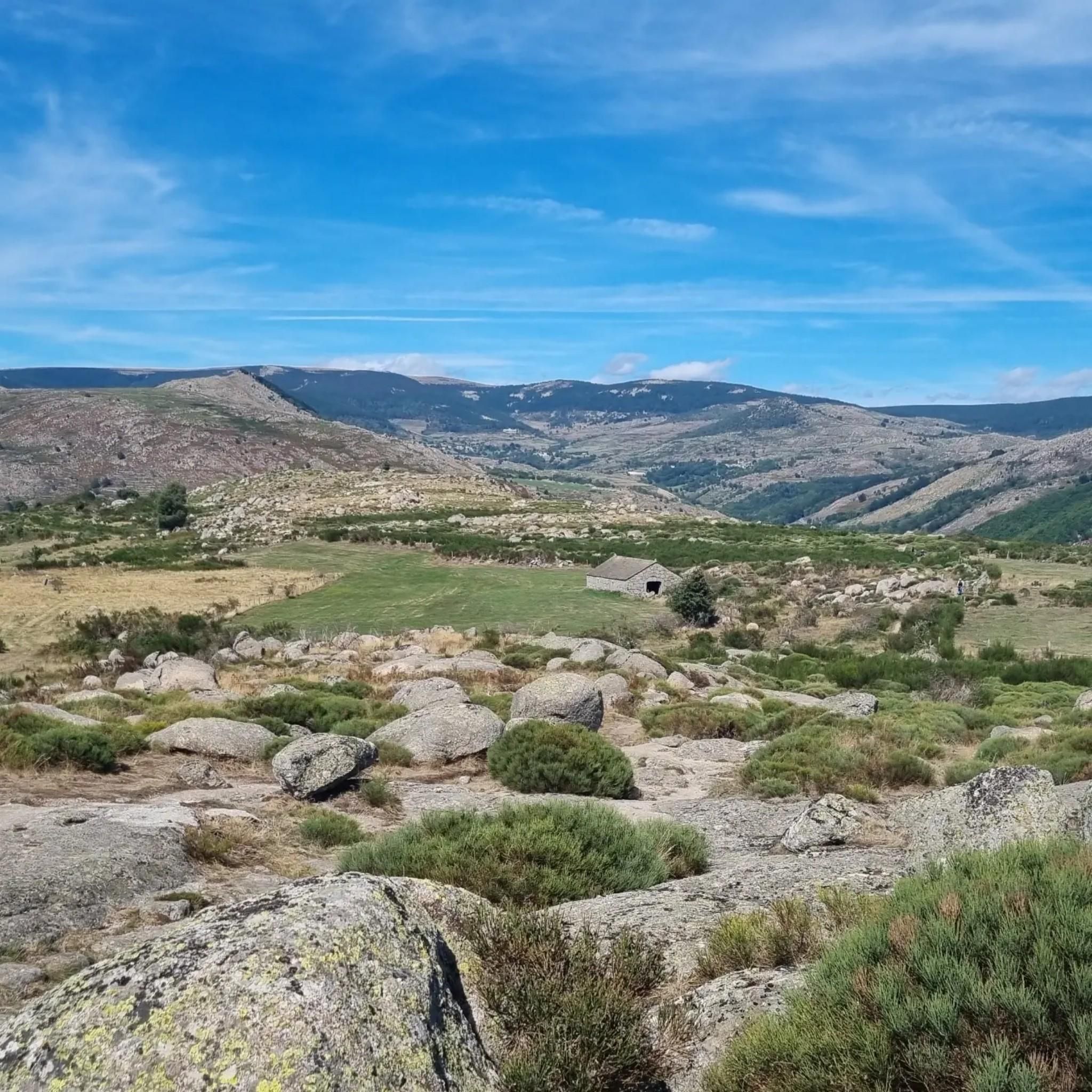
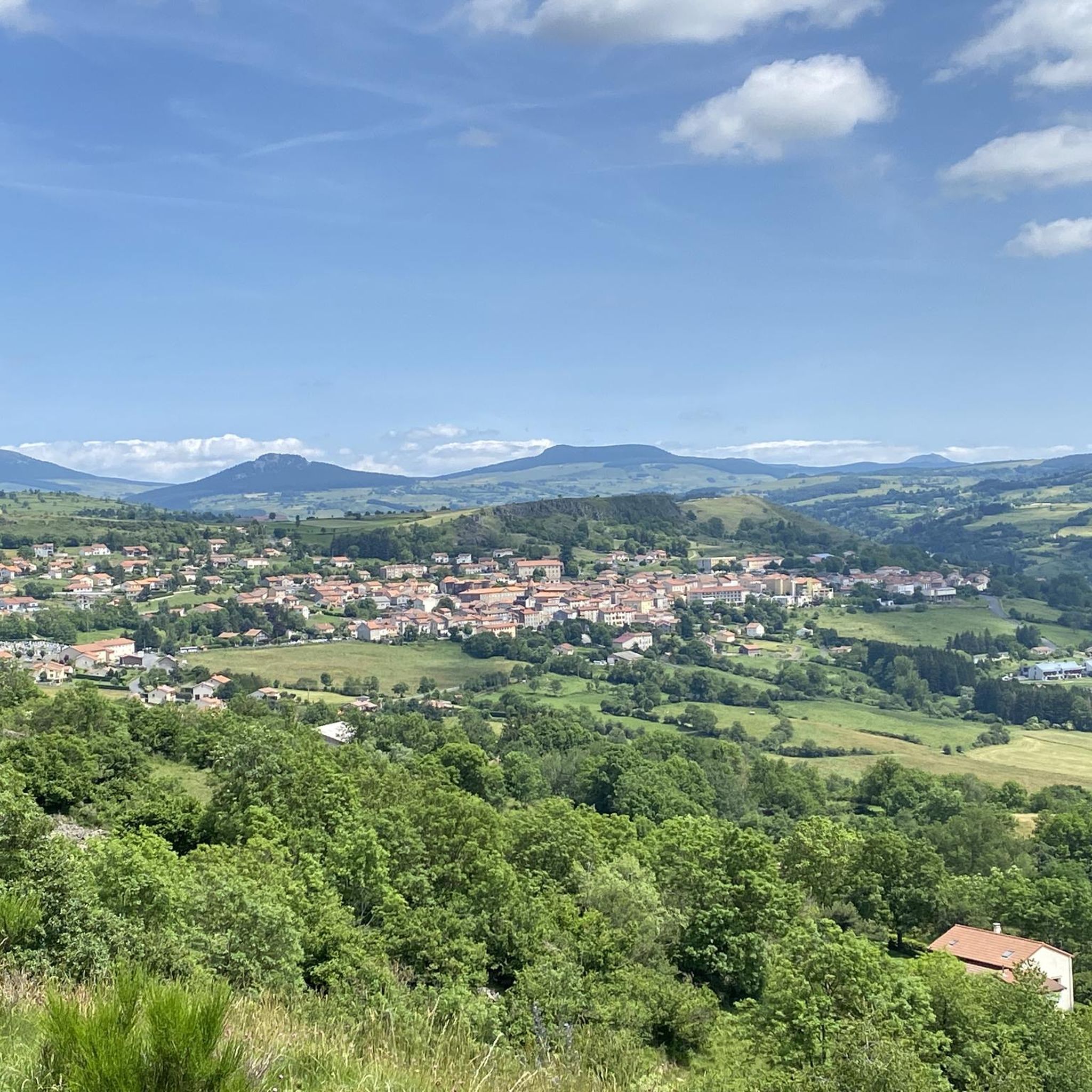
Road cycling routes around Le Monastier-Sur-Gazeille offer diverse landscapes and significant elevation gains, traversing challenging mountain passes and high plateaus. The region, situated in the Haute-Loire department, features varied terrain including the Gazeille Valley, the Meyzous Plateau, and views of the Devès, Meygal, and Mézenc mountain ranges. Paved surfaces are generally suitable for road biking, with routes often incorporating multiple ascents. This area provides a range of options for road cyclists seeking varied physical challenges.
Best road cycling routes around…
Last updated: October 18, 2026
5.0
(3)
26
riders
42.3km
02:19
800m
800m
Moderate road ride. Good fitness required. Mostly well-paved surfaces and easy to ride.
5.0
(1)
60
riders
Moderate road ride. Good fitness required. Mostly well-paved surfaces and easy to ride.

5.0
(2)
17
riders
77.0km
04:13
1,350m
1,350m
Hard road ride. Very good fitness required. Some segments of this route may be unpaved and difficult to ride.
4.0
(1)
8
riders
77.3km
04:00
1,370m
1,370m
Hard road ride. Very good fitness required. Mostly well-paved surfaces and easy to ride.
11
riders
53.8km
02:51
1,050m
1,050m
Hard road ride. Very good fitness required. Mostly well-paved surfaces and easy to ride.
Get access to more routes and recommendations from other explorers.
Already have an account?
Our route recommendations are based on thousands of hikes, rides, and runs completed by other people on komoot.
Start today with a free account
Your next adventure awaits.
Popular around Le Monastier-Sur-Gazeille

Other adventures around Le Monastier-Sur-Gazeille

Tips from the Community

The Ferme de Clastre is part of the last 15 thatched cottages still "standing" on the Mezenc-Gerbier massif and it is the last one located in the heart of the village. It has the particularity of having a double roof: mineral, made of phonolite slabs, for the two living quarters, and vegetal, dotted with broom, for the stable and hayloft part. The oldest writings found concerning the Ferme de Clastre indicate that its foundation dates back to the 11th century. Clastre, from the Latin "claustrum", was a non-conventual priory attached to the Abbey of Saint Chaffre du Monastier sur Gazeile. However, following two archaeological excavation campaigns carried out by the CNRS in Rennes in 2014 and 2016, charcoal dating has made it possible to prove human presence on this site dating back to 880-970, i.e. about 100 years earlier than the foundation of the priory. https://www.fondation-patrimoine.org/les-projets/ferme-de-clastre-a-sainte-eulalie/30888
0
0
Eight million years old, Mont Gerbier-de-Jonc owes its conical shape to a viscous, cold lava that was unable to flow away. It is at its foot that the Loire River originates, in three places respectively designated as the geographical, authentic, and true sources. What if the Loire, in addition to its long journey to the Atlantic, also flowed into the Mediterranean? This is the intriguing hypothesis formulated by Gilles Clément after climbing the mountain following a period of drought, during which he nevertheless perceived a regular seepage in the rock. He imagines that Mont Gerbier-de-Jonc functions, in part, as a "water tower": a water trap based on the condensation of water vapor from clouds in desert regions. The collected water would flow at the foot of Mont Gerbier, towards the Atlantic Ocean and the Mediterranean Sea. https://www.lepartagedeseaux.fr/le-parcours-artistique/les-oeuvres-in-situ/la-tour-a-eau/
0
0
In the eastern foothills of the Massif Central, in a harsh climate, at an altitude of 1,380 meters, this former 17th-century farmhouse, built like a fortress in the heart of a windswept plateau, is now a must-see attraction located 3 kilometers from Mont Gerbier-de-Jonc. You'll admire its typical architecture, its 900 m² of phonolite slate roof (local volcanic slabs), its upside-down ship-shaped framework, and its impressive volumes (50 meters long and 10 meters wide). https://www.bourlatier.fr/FR/home.html
1
0

This stone bridge, once an important crossing, is now partly collapsed, but its still visible arches offer a fascinating spectacle. Walking around the ruins, one can admire the tranquil beauty of the river flowing below, surrounded by lush vegetation.
1
0

A pass at an altitude of over 1500 m. It is the highest in Ardèche.
0
0

Cemetery of St-Cirgue-en-Montage. Outside, to the left of the entrance.
0
0

Coubon is a small Loire village full of character located in Velay. Behind the bustling city center rich in shops and services, the Saint-Georges church has a magnificent facade of Romanesque architecture.
0
0
Frequently Asked Questions
What kind of terrain can I expect on road cycling routes around Le Monastier-Sur-Gazeille?
The region offers diverse landscapes, from the Gazeille Valley and Meyzous Plateau to views of the Devès, Meygal, and Mézenc mountain ranges. You'll encounter significant elevation gains, traversing challenging mountain passes like Col de Gage, Col de Chabanis, Col de la Clède, and Col de la Croix de Boutière. Routes often incorporate multiple ascents, providing varied physical challenges.
Are there routes suitable for experienced road cyclists seeking a challenge?
Absolutely. Le Monastier-Sur-Gazeille is known for routes demanding excellent physical condition, featuring numerous challenging mountain passes and significant elevation gains. For instance, the Lac d’Issarlès – Le Monastier-sur-Gazeille loop is a difficult 76.9 km route with over 1300 meters of elevation gain.
What are some notable natural features or landmarks I might see while cycling?
You can enjoy spectacular views across the Cévennes and the high plateaus of the Haute-Loire. Key natural features include the Meyzous Plateau, the Gazeille Valley, and panoramic views of the Devès, Meygal, and Mézenc mountain ranges. The majestic Recoumène Viaduct is a prominent landmark, and you might also pass by the beautiful Lac d’Issarlès.
How many road cycling routes are available in the Le Monastier-Sur-Gazeille area?
There are over 20 road cycling routes available around Le Monastier-Sur-Gazeille, catering to various skill levels. These include 14 moderate routes and 9 difficult routes, ensuring options for both intermediate and advanced cyclists.
What do other road cyclists enjoy most about cycling in Le Monastier-Sur-Gazeille?
The area is highly rated by the komoot community, with an average score of 4.4 stars from over 29 reviews. Cyclists often praise the diverse landscapes, challenging mountain passes, and high plateaus that define the region's routes.
Are there any family-friendly road cycling options in the area?
While many routes feature significant elevation, some moderate loops might be suitable for families with older, more experienced children. For example, the Pont de Chadron loop from Le Monastier-sur-Gazeille is a moderate 31.8 km route that offers scenic views without extreme difficulty.
What is the best time of year to go road cycling in Le Monastier-Sur-Gazeille?
The region's varied terrain and mountain passes suggest that late spring, summer, and early autumn would be ideal for road cycling, offering pleasant weather conditions for tackling climbs and enjoying the scenic views. Always check local weather forecasts before heading out.
Are there any circular road cycling routes starting from Le Monastier-Sur-Gazeille?
Yes, many routes are designed as loops starting and ending in Le Monastier-Sur-Gazeille. Popular examples include the Viaduc de la Recoumène – The Mezenc plateau loop and the Rocky Outcrop on the Loire – Le Monastier-sur-Gazeille loop.
Where can I find parking for my car when starting a road cycling route?
Le Monastier-Sur-Gazeille, as a key point for outdoor activities, typically offers public parking facilities within the village. It's advisable to look for designated parking areas near the village center or trailheads to safely leave your vehicle.
What historical or cultural sites can I visit in Le Monastier-Sur-Gazeille after my ride?
The charming village itself boasts a rich medieval past. You can explore the magnificent 11th-century abbey church, a prime example of Auvergne Romanesque architecture, and a 14th-century basalt stone castle. The village also features the Museum of Popular Beliefs and the School Museum, offering cultural insights into the region's heritage.
Are there any specific mountain passes or cols I should aim to cycle?
The region is known for its challenging cols. Notable climbs include the Col de Gage, Col de Chabanis, Col de la Clède, and the Col de la Croix de Boutière. Many routes incorporate multiple ascents, providing a true mountain cycling experience.
Can I combine road cycling with other outdoor activities in the area?
Yes, Le Monastier-Sur-Gazeille is a hub for outdoor enthusiasts. It's a key point on the famous Stevenson Trail (GR 70) for hiking, and the Recoumène Viaduct offers bungee jumping. Lakes like Lac d’Issarlès also provide opportunities for water activities.
Most popular routes around Le Monastier-Sur-Gazeille
Most popular attractions around Le Monastier-Sur-Gazeille

Get inspired with the komoot mobile app


Explore more
Browse the best Road cycling routes in other regions.
