Top 20 Castles around Saint-Cybranet
Castles around Saint-Cybranet are concentrated in the Périgord Noir region, offering a rich historical landscape along the Dordogne River. This area is characterized by its dramatic cliffs, river valleys, and numerous medieval fortifications. The region's strategic importance throughout history, particularly during the Hundred Years' War, led to the construction of many impressive castles. These sites provide insight into centuries of regional heritage and architectural evolution.
Best castles around Saint-Cybranet
- The most popular castles is Beynac Castle, a castle built…
Last updated: August 30, 2026
La Roque-Gageac
Highlight • Settlement
Translated by Google •
Tip by

Castelnaud-la-Chapelle
Highlight • Castle
Translated by Google •
Tip by

Sign up now to discover places like this
Get recommendations on the best single tracks, peaks, & plenty of other exciting outdoor places.
Sign up for free
Beynac Castle
Highlight • Castle
Translated by Google •
Tip by

Montfort Castle
Highlight • Castle
Translated by Google •
Tip by

Beynac-et-Cazenac
Highlight • Castle
Translated by Google •
Tip by

Sign up for free to discover even more castles around Saint-Cybranet.
Sign up for free
Already have an account?
Start today with a free account
Your next adventure awaits.
Login or Signup

Tips from the Community

Dogs are welcome on a leash, and it is no problem to visit the rooms with 🐕🦺.
0
0

Very beautiful medieval village, crowned by a castle.
0
0

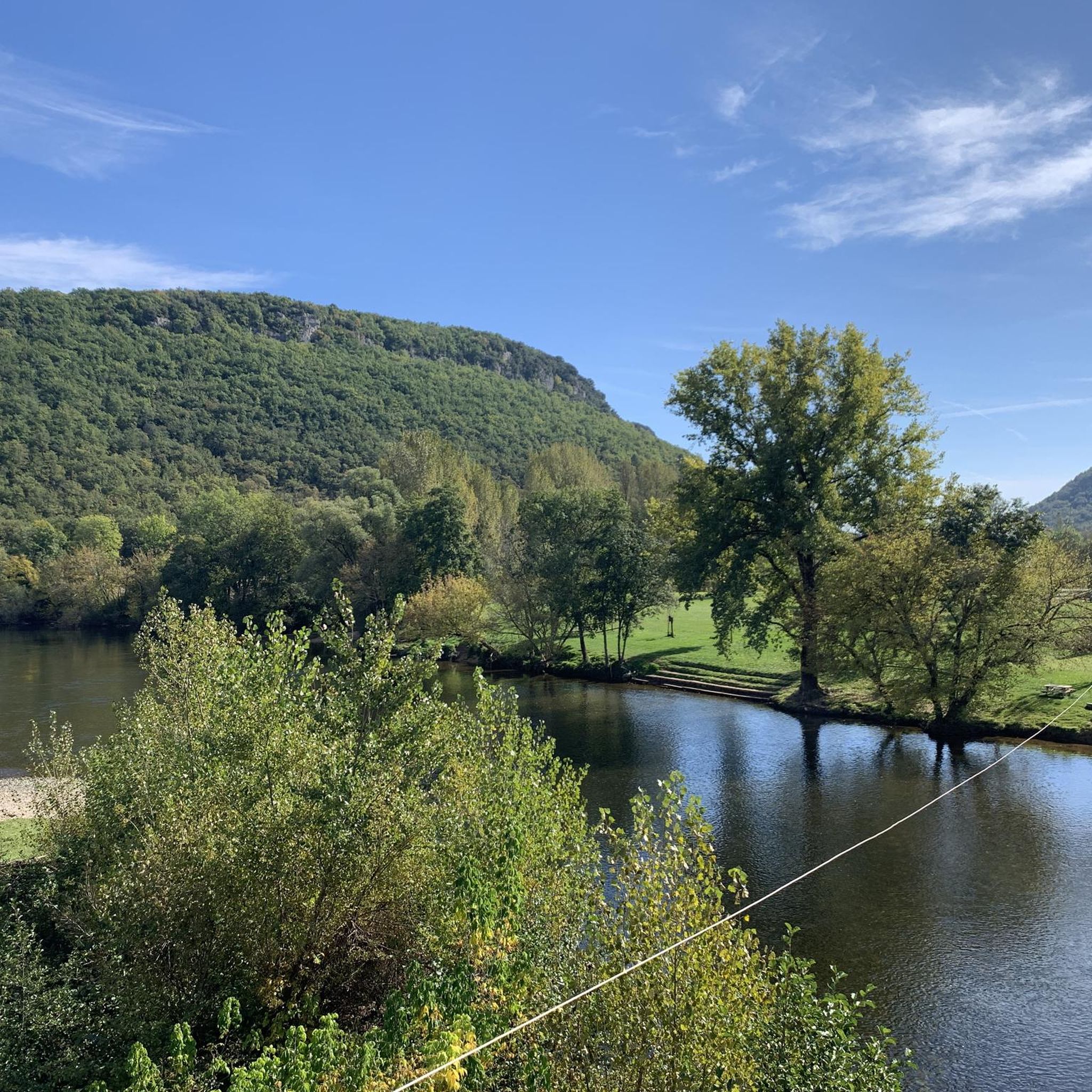
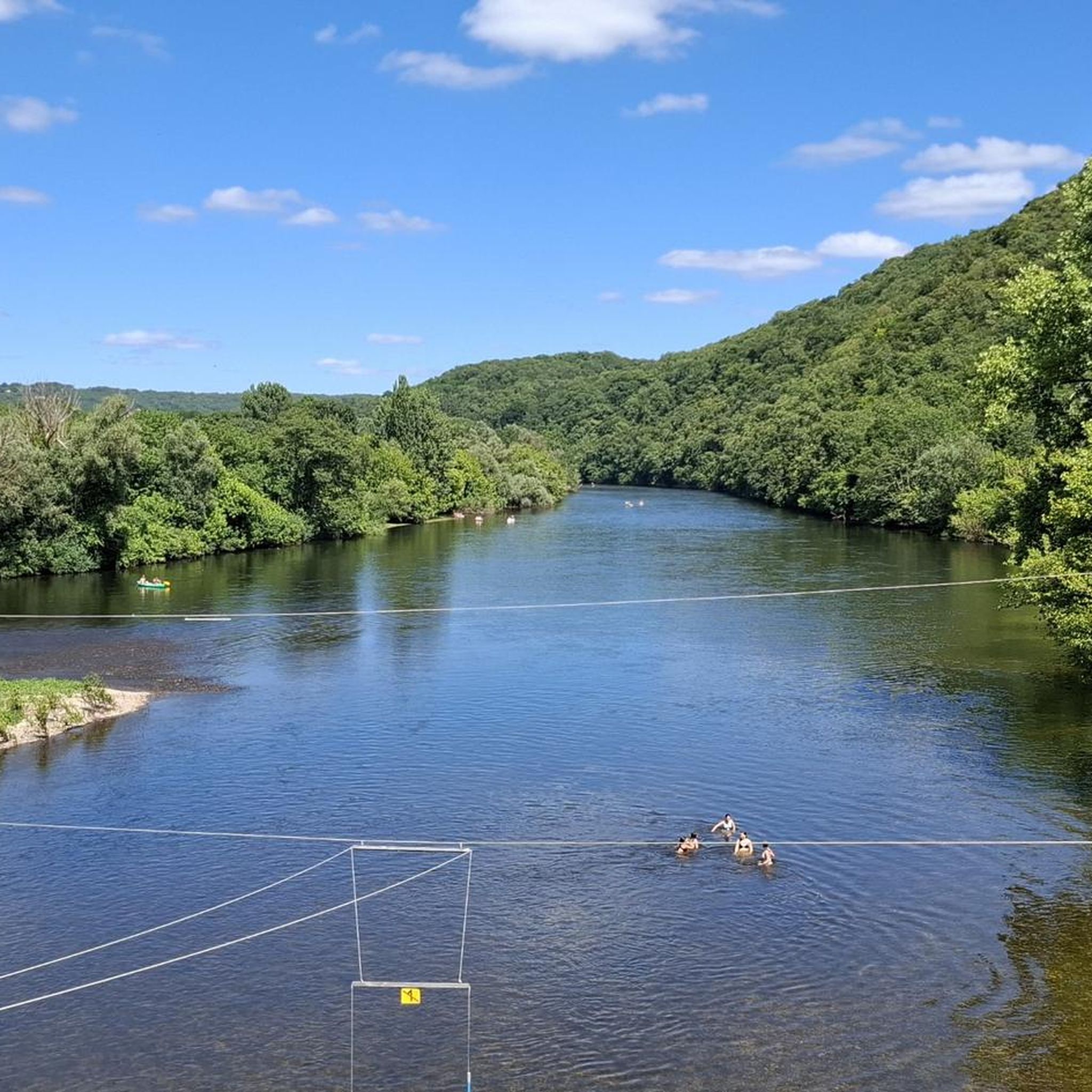
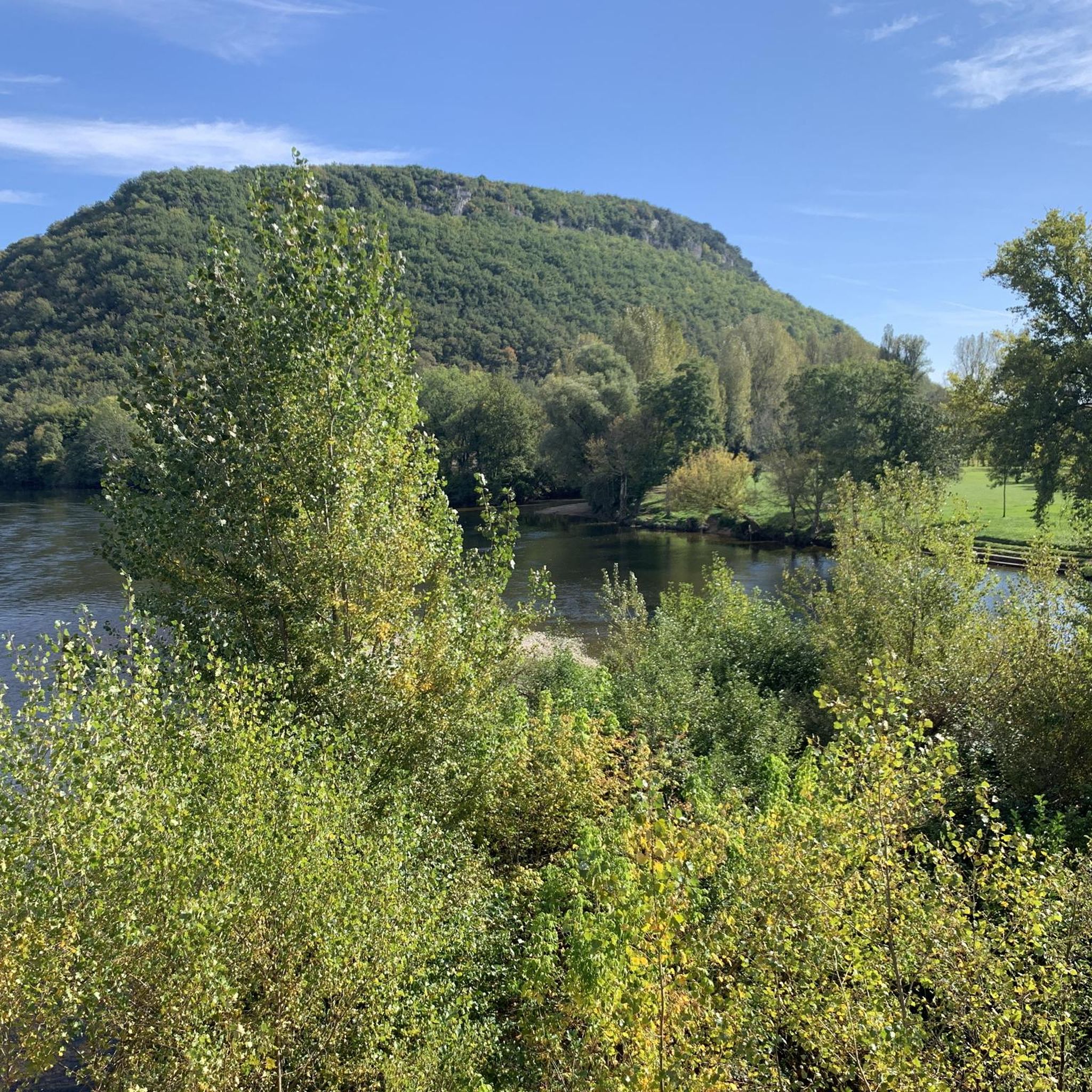
This castle is a marvel when you arrive in Montfort from any side. It overlooks the Dordogne in a majestic way. It is also clearly visible from the Montfort loop, which is a delight for cycling or, I imagine, motorcycling too. There is a single road for cars and bicycles. Like all the sites in the area, it is magnificent to visit in the early morning during the golden hour for the colors and tranquility.
1
0
Nice to arrive by the cycle path along the Dordogne after coming back down from Domme. Ideal early in the morning to avoid the crowds of families or tourists on the track. Then possibility to reach Roque-Gageac or Beynac afterwards (or Domme if done in the other direction).
0
0

It's a very beautiful castle, it can be visited
0
1


The village has a beautiful medieval character. The highlight is the castle. There is a great view from the top.
2
0
Frequently Asked Questions
What are some of the most historically significant castles in the Saint-Cybranet region?
The Périgord Noir region, where Saint-Cybranet is located, is rich in history. Key castles include Beynac Castle, a 12th-century stronghold known for its strategic location and excellent preservation. Another significant site is Castelnaud-la-Chapelle, a medieval fortification that played a crucial role during the Hundred Years' War. While Montfort Castle has been extensively restored, its dramatic setting and history of being conquered and rebuilt multiple times make it historically notable.
Which castles offer the best panoramic views of the Dordogne Valley?
Beynac Castle, perched on a sheer cliff 150 meters above the Dordogne, offers breathtaking panoramic views from its keep and various outdoor areas. Similarly, Castelnaud-la-Chapelle provides splendid views over the confluence of the Dordogne and Céou rivers. Montfort Castle, dramatically situated on a jagged rock 90 meters above the Dordogne, also offers stunning vistas, particularly over the famous 'Cingle de Montfort' river loop.
Are there any castles around Saint-Cybranet that are particularly family-friendly?
Castelnaud-la-Chapelle is highly recommended for families, as it houses a Museum of Medieval Warfare. Visitors can see an extensive collection of medieval artillery, including swords, crossbows, armor, and life-size reconstructions of siege engines like trebuchets, which can be very engaging for children and adults alike.
Can I find hiking trails that connect or pass by castles near Saint-Cybranet?
Yes, the region offers several hiking opportunities that allow you to explore the natural beauty and historical sites. For instance, you can find routes like 'The cliffs of Conte – Fours Cave loop from Castelnaud-la-Chapelle' or 'Castelnaud Castle – Château de Castelnaud loop from Castelnaud-la-Chapelle'. You can explore more options in the Hiking around Saint-Cybranet guide.
What is the best time of year to visit the castles around Saint-Cybranet?
The spring (April-May) and autumn (September-October) months generally offer pleasant weather for exploring the castles and surrounding areas, with fewer crowds than the peak summer season. The almost Mediterranean climate of the Dordogne region can make for comfortable visits, and the landscapes are particularly beautiful during these times.
What kind of historical artifacts or exhibits can I expect to see in these castles?
Castelnaud-la-Chapelle is particularly notable for its Museum of Medieval Warfare, which features over 250 pieces of medieval artillery, including swords, crossbows, armor, and siege engine reconstructions. Beynac Castle, being one of the best-preserved in France, allows visitors to explore impressive rooms like the Hall of the States of Périgord and medieval kitchens, offering a glimpse into daily life in a medieval stronghold.
Is <a href="https://www.komoot.com/highlight/2928379" target="_blank" rel="noopener">Beynac Castle</a> accessible for visitors with mobility challenges?
Beynac Castle is a medieval hilltop castle built on a limestone plateau 150 meters above the Dordogne. It features many impressive rooms and outdoor areas on several levels. Due to its historical construction on a cliffside, access often involves steep paths, stairs, and uneven terrain, which may present challenges for visitors with mobility issues. It's advisable to check their official website for specific accessibility information before planning your visit.
Are there options for cycling near the castles in Saint-Cybranet?
Yes, the area around Saint-Cybranet is popular for cycling. You can find routes like 'Céou River – Castelnaud-la-Chapelle loop from Saint-Cybranet' or 'La Roque-Gageac – Castelnaud-la-Chapelle loop from Saint-Cybranet'. A cycle path also departs from Castelnaud-la-Chapelle, connecting to other villages. More cycling routes are available in the Cycling around Saint-Cybranet guide.
What makes the village of <a href="https://www.komoot.com/highlight/2270227" target="_blank" rel="noopener">La Roque-Gageac</a> special when visiting nearby castles?
La Roque-Gageac is classified as one of the 'Plus beaux villages de France' (Most Beautiful Villages in France). It's delightfully located at the foot of a towering, south-facing cliff on the banks of the Dordogne. Its almost Mediterranean climate supports tropical vegetation, and you can take traditional barges on the river. It offers a charming stroll through its streets and a visit to its own castle, making it a picturesque complement to your castle tour.
Can I find places to eat near the castles?
Many of the villages surrounding the major castles, such as Castelnaud-la-Chapelle and Beynac-et-Cazenac, have small shops, cafes, and restaurants. For example, at the foot of Montfort Castle, there is a restaurant. The village of La Roque-Gageac also offers several dining options along the river.
What is the history of <a href="https://www.komoot.com/highlight/2639494" target="_blank" rel="noopener">Montfort Castle</a>?
Montfort Castle is dramatically situated on a jagged rock above the Dordogne River. It has a tumultuous history, having been conquered, burned down, and rebuilt three times. During the Albigensian Crusade in the 13th century, Simon IV de Montfort took the castle. It was later destroyed under Louis XI and then under Henry IV. While extensively restored in the 19th century, with little of its original medieval structures remaining, it features a tower from the 15th century and other parts from the 16th century.
Are dogs allowed in or around the castles near Saint-Cybranet?
Policies regarding dogs can vary significantly between individual castles and their grounds. While some outdoor areas or villages might be dog-friendly, access to the interior of historical monuments is often restricted. It is best to check the specific rules for each castle you plan to visit directly on their official websites or by contacting them beforehand.
How long should I plan for a visit to a typical castle in this region?
For major castles like Beynac Castle or Castelnaud-la-Chapelle, you should typically plan for 2 to 3 hours to explore the grounds, interiors, and museums thoroughly. This allows enough time to appreciate the history, architecture, and panoramic views without feeling rushed. Smaller sites or viewpoints might require less time, while combining a castle visit with exploring its surrounding village could extend your stay.
What is the <a href="https://www.komoot.com/highlight/966008" target="_blank" rel="noopener">Château de Castelnaud-la-Chapelle</a> known for?
Château de Castelnaud-la-Chapelle is renowned for its Museum of Medieval Warfare. It houses an extensive collection of over 250 pieces of medieval artillery, including swords, crossbows, armor, and life-size reconstructions of siege engines like trebuchets. The castle itself is a medieval fortification from the 12th/13th century, offering a journey back in time to the Hundred Years' War, during which it was a rival to Beynac Castle.
Most popular routes around Saint-Cybranet
Most popular attractions around Saint-Cybranet

Get inspired with the komoot mobile app


Explore more
Looking for the best castles somewhere else? Discover other guides around Saint-Cybranet:
