The best road cycling routes around Velle-Sur-Moselle
4.7
(58)
1,909
riders
121
rides
Road cycling around Velle-Sur-Moselle is characterized by its location within the scenic Moselle Valley, offering diverse terrain for cyclists. The region features extensive cycling networks, including flat sections along the Moselle River and canal paths, suitable for various skill levels. While largely defined by gentle topography, the broader valley also presents vine-covered slopes and hills for more challenging ascents. The landscape includes alluvial forests, gravel banks, and numerous ponds, contributing to a varied cycling experience.
Best road cycling routes around…
Last updated: October 19, 2026
19
riders
Easy road ride. Great for any fitness level. Mostly well-paved surfaces and easy to ride.
16
riders
38.7km
01:48
370m
370m
Moderate road ride. Good fitness required. Mostly well-paved surfaces and easy to ride.

5.0
(1)
12
riders
49.0km
02:06
390m
390m
Moderate road ride. Good fitness required. Mostly well-paved surfaces and easy to ride.
4.5
(2)
21
riders
Easy road ride. Great for any fitness level. Mostly well-paved surfaces and easy to ride.
9
riders
29.2km
01:19
180m
180m
Easy road ride. Great for any fitness level. Mostly well-paved surfaces and easy to ride.
Get access to more routes and recommendations from other explorers.
Already have an account?
Our route recommendations are based on thousands of hikes, rides, and runs completed by other people on komoot.
Start today with a free account
Your next adventure awaits.

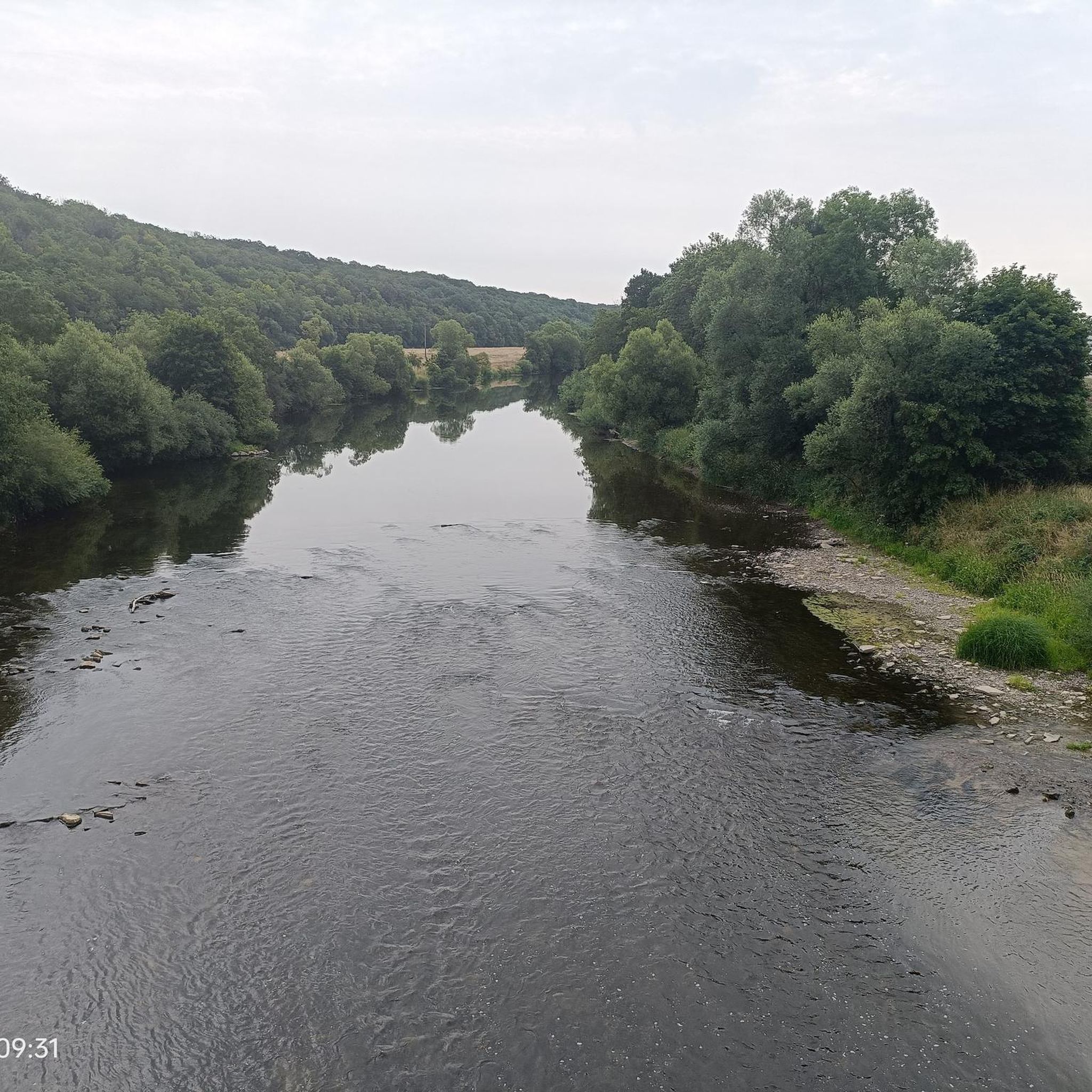
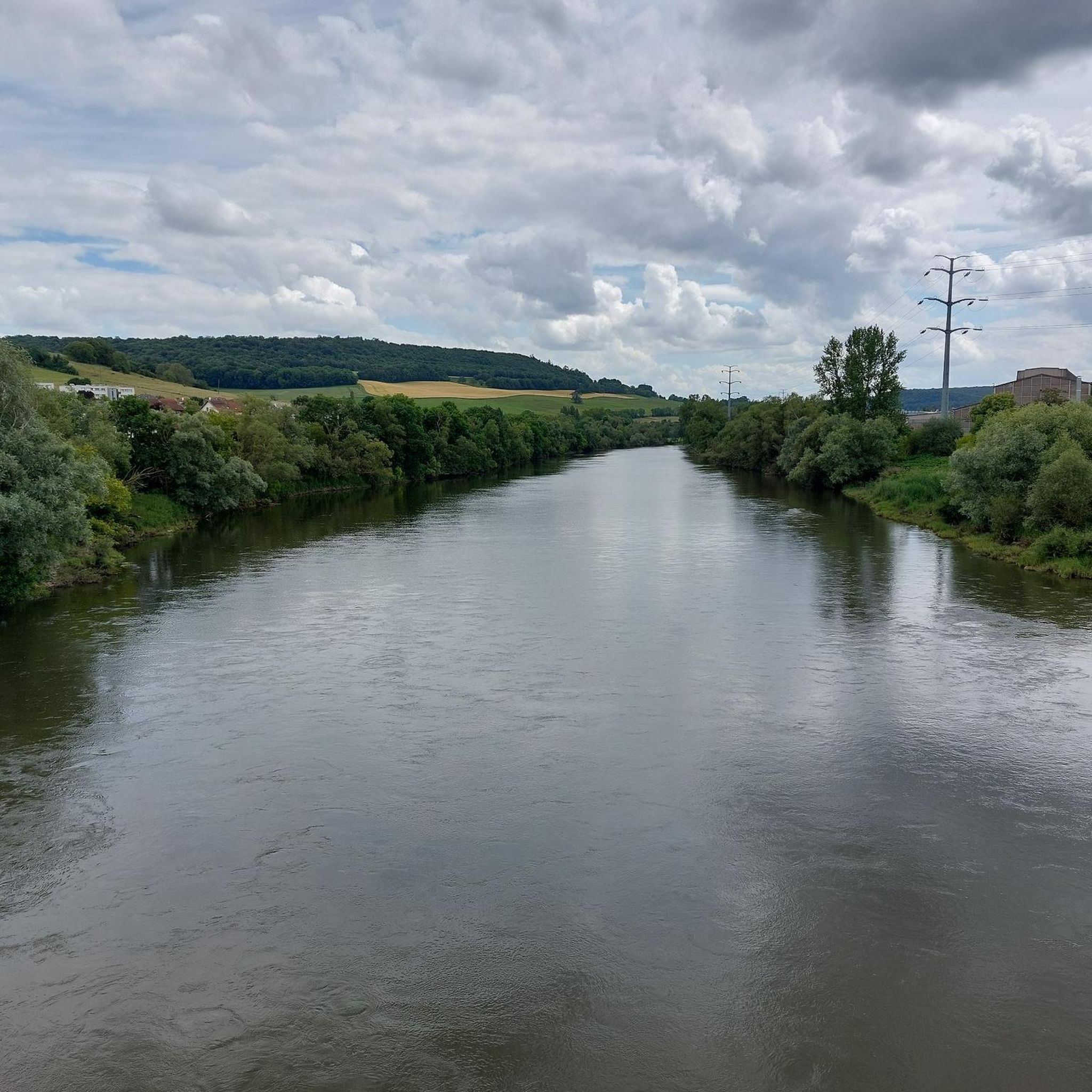
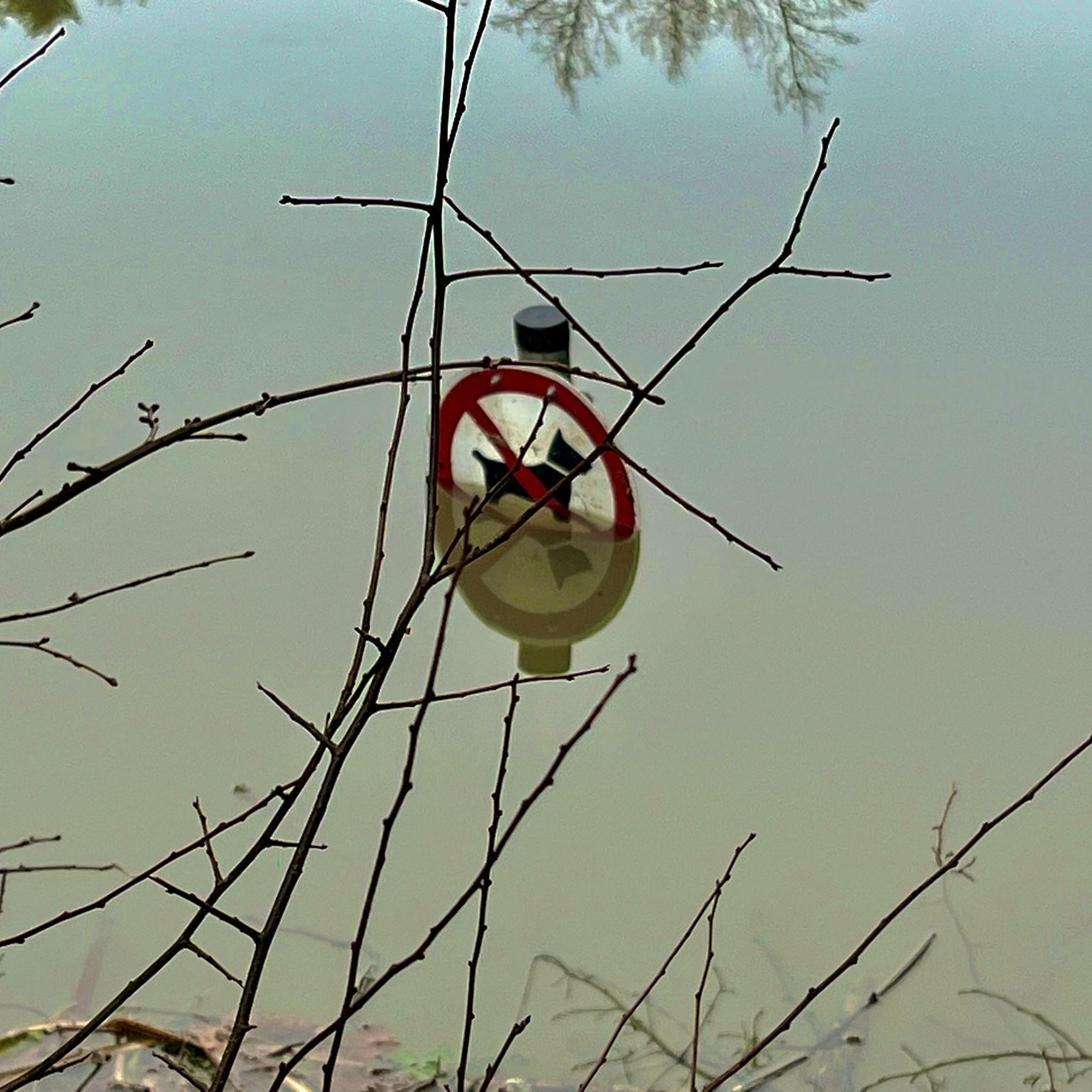
Tips from the Community

beautiful bridge near nancy
0
0
beautiful cycle path la voie bleue
0
0
another lock on the canal
0
0
canal bridge with cycle path great view
0
0
Frequently Asked Questions
What kind of terrain can I expect when road cycling around Velle-sur-Moselle?
The region around Velle-sur-Moselle offers a diverse cycling experience. You'll find extensive flat sections along the Moselle River and canal paths, which are ideal for leisurely rides. However, the broader Moselle Valley also features vine-covered slopes and hills, providing opportunities for more challenging ascents for experienced riders.
Are there many easy road cycling routes in the Velle-sur-Moselle area?
Yes, Velle-sur-Moselle is well-suited for cyclists seeking easier routes. Out of 114 road cycling routes available, 19 are classified as easy. These often follow the flat terrain along the Moselle River and canal paths, such as the Lock on the Canal des Vosges loop from Saint-Mard.
What are some notable natural attractions I can explore by bike in Velle-sur-Moselle?
The Velle-sur-Moselle area is rich in natural beauty. You can cycle through the picturesque Moselle River Valley, which is part of the Regional Nature Reserve of "Moselle Sauvage," known for its exceptional habitats and biodiversity. There are also numerous ponds, particularly around Pagny-sur-Moselle, some of which are recognized as Sensitive Natural Areas. You might consider visiting the Ponds of the Saussaie de Bayon.
What kind of landmarks or points of interest can I see along the road cycling routes?
Beyond the natural landscapes, you can encounter various points of interest. Routes often pass through charming villages and towns. For example, the Canal Path (La Voie Bleue) – Haroué Castle loop from Crévéchamps will take you past the impressive Haroué Castle. You can also find highlights like the Flavigny-sur-Moselle Canal Aqueduct.
Are there any long-distance cycling networks accessible from Velle-sur-Moselle?
Absolutely. Velle-sur-Moselle is integrated into extensive cycling networks. You can access sections of La Voie Bleue® (The Blue Way), a long-distance route following towpaths, and the Moselle Cycle Path. For a local circuit, the Boucle de la Moselle is an 85-kilometer loop offering a mix of greenways and shared roads with minimal elevation changes. You can find more information about the Boucle de la Moselle here.
What do other road cyclists say about the routes in Velle-sur-Moselle?
The road cycling routes around Velle-sur-Moselle are highly regarded by the komoot community, with an average rating of 4.6 stars from over 60 reviews. Cyclists often praise the varied terrain, from flat canal paths to more challenging climbs, and the scenic beauty of the Moselle Valley.
Is Velle-sur-Moselle suitable for family-friendly road cycling?
Yes, the region is very suitable for families. The extensive network of flat canal paths and sections of routes like La Voie Bleue are designed to be accessible and safe, making them ideal for cyclists of all ages and skill levels. The gentle topography ensures a pleasant experience for family outings.
What is the best time of year for road cycling in Velle-sur-Moselle?
The best time for road cycling in Velle-sur-Moselle is generally from spring through autumn. During these seasons, the weather is typically mild and pleasant, making for comfortable rides. The Moselle Valley's natural beauty, including vineyards and river scenery, is particularly vibrant during these months.
Are there any routes that combine canal path riding with some elevation gain?
Yes, for those looking for a mix, routes like the Canal Path (La Voie Bleue) – Minet Pass (349 m) loop from Crévéchamps offer exactly that. This moderate route combines the ease of canal path riding with a climb to Minet Pass, providing a more varied challenge.
Where can I find parking for my car when starting a road cycling route in Velle-sur-Moselle?
While specific parking locations for every route start point are not detailed, Velle-sur-Moselle and surrounding towns are generally cyclist-friendly. Many villages along the major cycling paths, such as those on the Boucle de la Moselle, offer public parking facilities. It's advisable to check local town maps or komoot route details for suggested starting points with parking options.
Can I use public transport with my bike to reach cycling routes in Velle-sur-Moselle?
The Moselle Valley region, including areas around Velle-sur-Moselle, often has public transport options that cater to cyclists, especially along major routes like the Moselle Cycle Path. While specific details for Velle-sur-Moselle itself are not provided, it's common for regional trains and some buses in France to allow bicycles, often with a dedicated space or during off-peak hours. It's recommended to check with local transport providers for their current bike policies and schedules.
Are there any accommodation options for cyclists in Velle-sur-Moselle?
Velle-sur-Moselle itself hosts a camping site, indicating local infrastructure that caters to visitors, including cyclists. Additionally, many towns and villages along the extensive cycling networks in the Moselle Valley offer various bike-friendly accommodations, from hotels to guesthouses, often part of 'Accueil Vélo' (Cyclists Welcome) schemes. It's worth checking local tourist information for specific listings.
Most popular routes around Velle-Sur-Moselle
Most popular attractions around Velle-Sur-Moselle

Get inspired with the komoot mobile app


Explore more
Browse the best Road cycling routes in other regions.
