The best walks and hikes around Deutsch-Oth
4.4
(3462)
18,615
hikers
11
hikes
Hiking trails around Deutsch-Oth traverse a landscape shaped by extensive forests, the picturesque Alzette valley, and its rich industrial heritage. This cross-border region, situated near Luxembourg and Germany, features diverse terrain including former open-cast mining sites now reclaimed by nature. Paths often wind through woodlands and along historical border markers, offering insights into the area's past. The region provides a variety of hiking experiences, from gentle forest walks to routes exploring remnants of the iron mining industry.
Best hiking trails…
Last updated: August 19, 2026
4.5
(22)
121
hikers
14.1km
04:03
360m
360m
Moderate hike. Good fitness required. Easily-accessible paths. Suitable for all skill levels.
4.3
(4)
15
hikers
9.44km
02:41
220m
220m
Moderate hike. Good fitness required. Easily-accessible paths. Suitable for all skill levels.

Sign up for free
5.0
(3)
11
hikers
13.2km
03:40
250m
250m
Moderate hike. Good fitness required. Easily-accessible paths. Suitable for all skill levels.
9
hikers
13.0km
03:31
190m
190m
Moderate hike. Good fitness required. Easily-accessible paths. Suitable for all skill levels.
4.3
(7)
9
hikers
8.62km
02:16
80m
80m
Moderate hike. Good fitness required. Easily-accessible paths. Suitable for all skill levels.
Get access to more routes and recommendations from other explorers.
Sign up for free
Already have an account?
Our route recommendations are based on thousands of hikes, rides, and runs completed by other people on komoot.
Start today with a free account
Your next adventure awaits.
Login or Signup
Tips from the Community

Chapelle Sainte Barbe at Musée Mines Cockerill – Short Report The Chapelle Sainte Barbe is located directly on the grounds of the Musée Mines Cockerill in Esch-sur-Alzette, Luxembourg. It is a small, historic chapel closely linked to the region's mining tradition. Why Sainte Barbe? Sainte Barbe (Saint Barbara) is the patron saint of miners – for centuries, miners across Europe have prayed to her for protection against misfortune, explosions, and fatal accidents in the tunnels. A tradition that remains alive in Luxembourg to this day. The chapel at the museum: The Chapelle Sainte Barbe at the Musée Mines Cockerill serves as a spiritual memorial to the miners who worked here. It is small, but symbolically powerful: a direct connection to the people who risked their lives daily to extract iron ore. Special Feature: Every year on December 4th (Saint Barbara's feast day), ceremonies are held here – with mortar salvos, wreath-laying, and commemorations of the deceased miners. The chapel thus connects history, religion, and industrial memory. Conclusion: The Chapelle Sainte Barbe at the Musée Mines Cockerill is a moving detail: small, but full of meaning. A place of remembrance for the miners who shaped Luxembourg's industrial history – perfectly integrated into your industrial route.
0
0
Escher Déierepark – Short Report The Escher Déierepark (also Gaalgebierg) is located in Esch-sur-Alzette, Luxembourg, and is a small but fine animal park with natural enclosures. On around 14 hectares, visitors can observe animals such as red deer, wild boars, lynxes, bears, and various bird species in a forest-like environment. The park is particularly family-friendly: there are playgrounds, a petting area, and interactive information about the animal species. The well-laid-out paths make it easily accessible – ideal for half a day or as a starting point for a hike. A highlight is the Bamhaiser Baumhauscafé, a huge treehouse in the middle of the park with terraces, coffee, snacks, and beer. It also serves as an information and meeting point and makes you want to stay overnight in the nearby treehouse guesthouses. Conclusion: The Escher Déierepark is not a large zoo, but a relaxed, natural animal park – perfect for nature, animals, and a cozy break in the Baumhauscafé.
2
0

Nobody has been there for a long time!
0
0

A must-see: the John Cockerill Mining Museum, located on the site of a historic mining pit. This iconic site immerses visitors in the industrial era, with its reconstructed galleries and period machinery.
0
0
A must-see: the John Cockerill Mining Museum, located on the site of a historic mining pit. This iconic site immerses visitors in the industrial era, with its reconstructed galleries and period machinery.
1
0
Quiet and relaxing place on the promenade
1
0
Interesting place for a walk with children
1
0

Chapel built in honor of Saint Barbara
0
0
Frequently Asked Questions
How many hiking trails are available around Deutsch-Oth?
There are over 800 hiking routes around Deutsch-Oth, offering a wide variety of experiences. These include more than 470 easy trails, over 310 moderate routes, and around 40 difficult hikes, catering to all fitness levels.
What kind of landscapes can I expect to see while hiking in Deutsch-Oth?
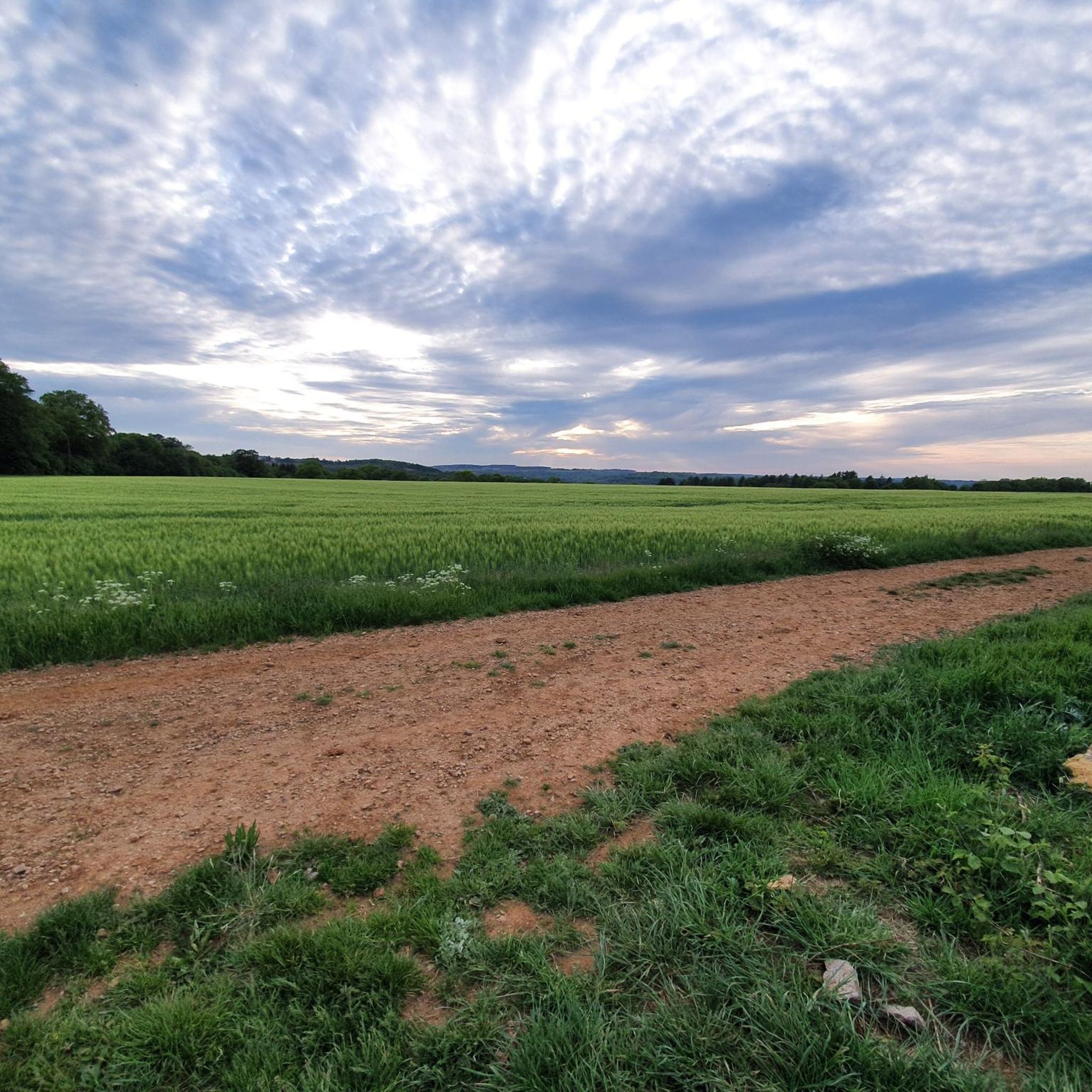
Hiking in Deutsch-Oth offers diverse landscapes, from extensive forests and the picturesque Alzette valley to unique terrain shaped by its industrial heritage. You'll find paths winding through former open-cast mining sites, now reclaimed by nature, and along historical border markers between France and Luxembourg. The region's geology often results in striking red-hued earth, particularly in areas linked to past iron ore extraction.
Are there any circular hiking routes in Deutsch-Oth?
Yes, many routes in Deutsch-Oth are circular. For example, the easy Le Portail – Pfälzerbeschquelle loop from Russange takes you through forested areas. Another option is the moderate Esch Animal Park – Ancient Ore Transport Towers loop from Audun-le-Tiche, which combines natural landscapes with historical industrial structures.
What historical sites or natural monuments can I discover along the trails?
The region is rich in both natural and historical points of interest. You can explore former mining areas, such as those found on the Eisekaul Terre Rouge – Mine Prince Henri loop from Audun-le-Tiche. Notable natural features include the Pfälzerbeschquelle and the striking Red Cliff of the Former Iron Mine. The Cockerill Mining Museum, Ellergronn also offers insights into the area's industrial past.
Are there any challenging hikes for experienced trekkers?
Yes, for experienced trekkers, there are challenging routes available. One difficult option is the Eisekaul Terre Rouge – Gaalgebierg Footbridge loop from Belval-Université, which spans over 22 kilometers and involves significant elevation changes.
What do other hikers say about the trails in Deutsch-Oth?
The hiking trails in Deutsch-Oth are highly regarded by the komoot community, holding an average rating of 4.5 stars from over 3500 reviews. Hikers frequently praise the diverse terrain, the blend of natural beauty with historical industrial remnants, and the well-maintained paths that cater to various skill levels.
Can I find trails that cross borders into Luxembourg or Germany?
Yes, Deutsch-Oth's strategic location near the borders of Luxembourg and Germany means many trails offer a cross-border experience. Routes like the '57 Audin-le-Tiche via Ellegronn' specifically traverse between France and Luxembourg, allowing you to experience the unique blend of landscapes and cultures in this tri-border region.
Are there specific trails that highlight the region's mining heritage?
Absolutely. Many trails in Deutsch-Oth delve into the region's rich iron mining history. The 'Pédestre Terres Rouges entre Esch-sur-Alzette et Kayl' and 'Les Minières à Differdange' routes, for instance, showcase the red-hued earth from past iron ore extraction and offer glimpses of old mining infrastructure. The Rosati House – Ancient Ore Transport Towers loop from Esch-sur-Alzette also features historical industrial structures.
Are there any nature reserves or protected areas to explore?
Yes, the region features significant natural reserves. The Ellergronn natural reserve, a 110-hectare area that was once an open-cast mining site, now offers trails through a landscape where nature has reclaimed its dominance. Additionally, the Giele Botter Nature Reserve is another notable protected area to explore.
What is the best time of year for hiking in Deutsch-Oth?
The region offers pleasant hiking experiences throughout much of the year. Spring and autumn are particularly popular for their mild temperatures and vibrant natural colors. Summer provides lush green forests, while winter can offer unique, serene landscapes, though some paths might require appropriate gear for colder conditions.
Are there any trails suitable for families with children?
Yes, Deutsch-Oth has family-friendly options. The 'Circuit du Bois de Thionville' is a pleasant route primarily through forests, incorporating the 'Beerenweg' trail, which is ideal for observing local flora and fauna and suitable for families.
Are there any viewpoints or high points accessible by hiking?
For elevated views, the 'Audun-le-Tiche La Borne de Fer' trail takes hikers through forest and field paths to the Borne de Fer (Iron Boundary Marker), which marks a high point in the region and offers a vantage point over the surrounding area.
Most popular attractions around Deutsch-Oth

Get inspired with the komoot mobile app


Explore more
Browse the best Hikes in other regions.
