Top 5 Castles around La Chapelle-Forainvilliers
Castles around La Chapelle-Forainvilliers include the local Château de La Chapelle, a significant landmark within this commune known for cereal farming. The broader Eure-et-Loir department provides access to a selection of châteaux. These historical sites offer insights into French history and architecture. The region features a variety of castles, from medieval fortresses to Renaissance structures.
Best castles around La Chapelle-Forainvilliers
- The most popular castles is Château de Mormoulins, a castle that dates back to the 10th century. The current…
Last updated: July 8, 2026
Château de Mormoulins
Highlight • Castle
Translated by Google •
Tip by

The Donjon of Houdan
Highlight • Castle
Translated by Google •
Tip by

Sign up now to discover places like this
Get recommendations on the best single tracks, peaks, & plenty of other exciting outdoor places.
Sign up for free
Nogent-le-Roi Castle
Highlight • Castle
Translated by Google •
Tip by
Château d'Abondant
Highlight • Castle
Translated by Google •
Tip by

Remains of Fremont Castle
Highlight • Castle
Translated by Google •
Tip by

Sign up for free to discover even more castles around La Chapelle-Forainvilliers.
Sign up for free
Already have an account?
Start today with a free account
Your next adventure awaits.
Login or Signup
Popular around La Chapelle-Forainvilliers


Tips from the Community

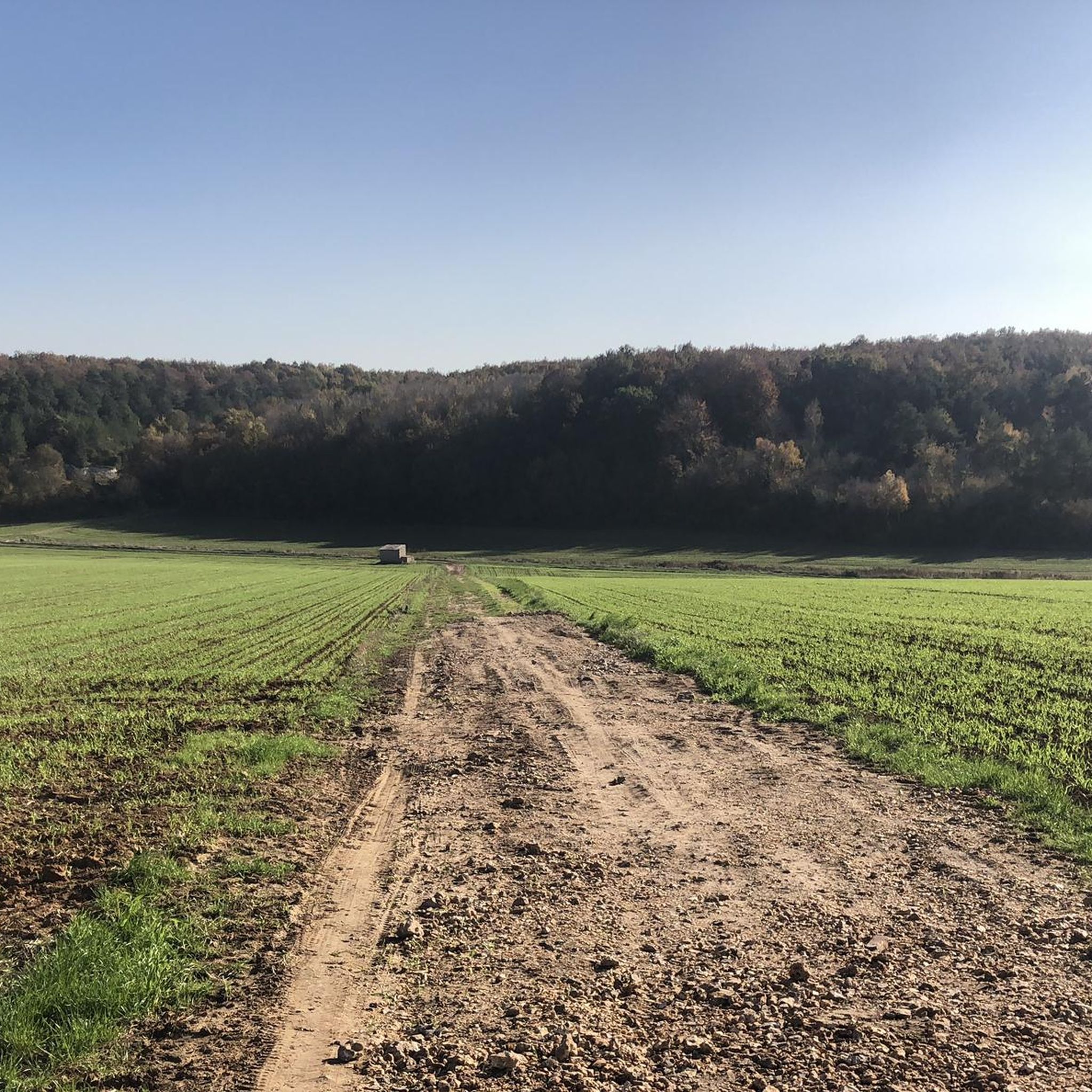
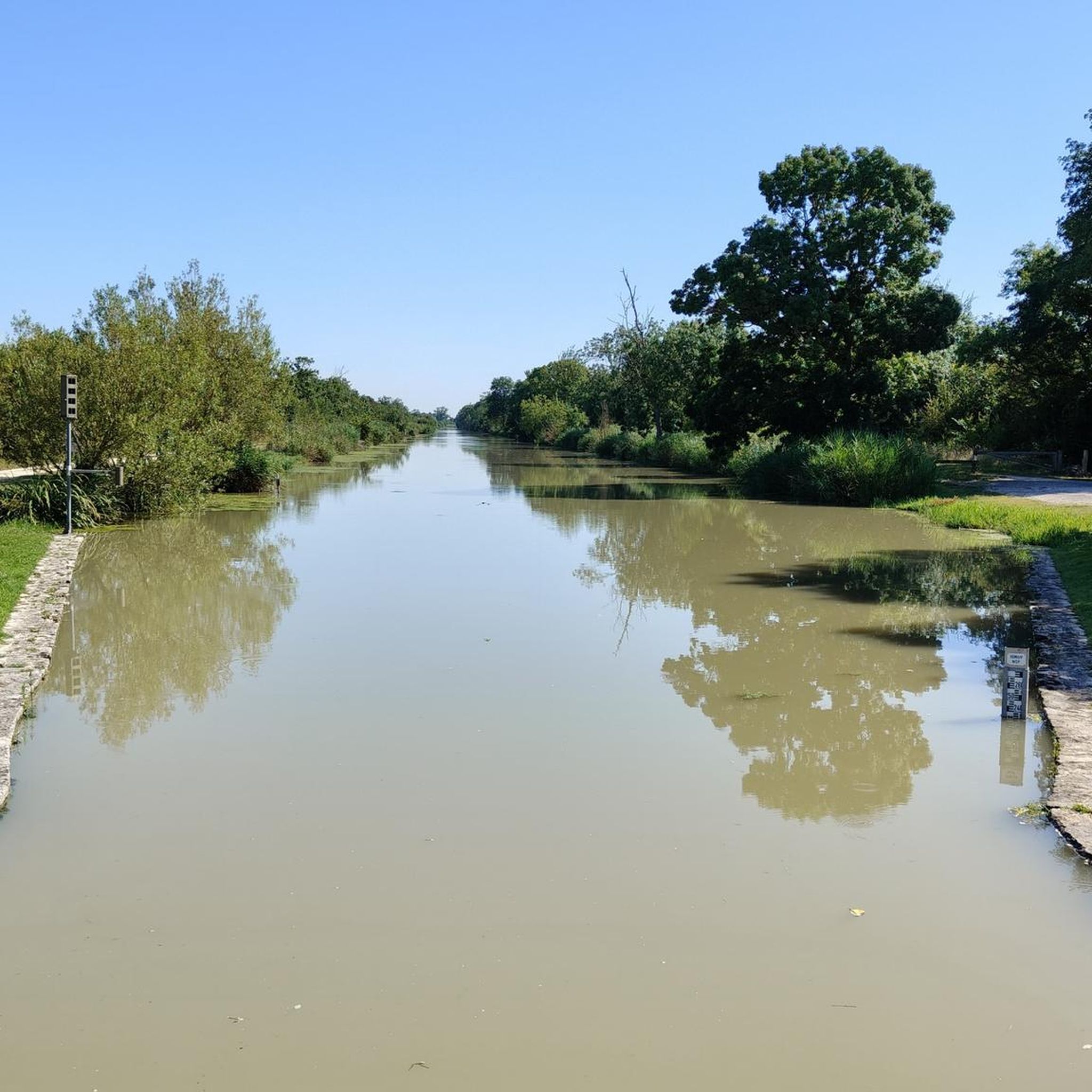
The Moulin de Mormoulins is a watermill located on the Eure River in the hamlet of Mormoulins. This mill dates back to the 18th and 19th centuries and is a listed historical monument. You can admire the old stone building, the wooden wheel, and the canal that diverts water from the river as you pass in front of the mill. The mill is surrounded by green fields and trees, creating a peaceful and relaxing atmosphere.
0
0

Built at the end of the 12th century by the Counts of Montfort and listed as a Historic Monument since 1889, the Houdan Tower was used to watch for enemies and defend the territory. The Keep consists of a 15 m diameter and 21 m high tower, flanked by four turrets of the same height located at the four cardinal points. From the 16th century until the French Revolution, the Keep served as a prison, and executions took place at the foot of the Tower. The first water reservoir was installed in the tower in 1880. The second, built in 1952, is still visible. Tours are available on certain days.
0
0

The castle of Nogent-le-Roi dates from the 15th century and was built by Pierre de Brézé, close advisor to King Charles VII1. You will be able to admire the neo-Louis XIII style of the current building, built in 1863 by Alfred Chapelain, and discover the remains of the medieval fortress, such as the surrounding wall and the two square towers. You can also run in the magnificent park surrounding the castle, where there is an old windmill which was used to pump water during the Second Empire. The park is open to the public every day from 8 a.m. to 8 p.m. and hosts various exhibitions and events throughout the year. The Château de Nogent-le-Roi is an ideal destination for a refreshing and cultural run.
2
0
The castle of Nogent-le-Roi dates from the 15th century and was built by Pierre de Brézé, a close adviser to King Charles VII1. You can admire the neo-Louis XIII style of the current building, built in 1863 by Alfred Chapelain, and discover the remains of the medieval fortress, such as the surrounding wall and the two square towers. You can also enjoy the magnificent park that surrounds the castle, where there is an old windmill that was used to pump water during the Second Empire. The park is open to the public every day from 8 a.m. to 8 p.m. and hosts various exhibitions and events throughout the year. The Château de Nogent-le-Roi is an ideal destination for a relaxing and cultural hike.
2
0

Very nice windmill, especially in good weather!
0
0

Monument dating from the end of the 12th century
1
0

The Tower (commonly called "The Dungeon"), built in the 12th century under the reign of the Counts of Montfort, and classified as a Historic Monument since 1840, had the function of watching out for enemies and defending the territory. But in reality, it mainly had a dissuasive role since it was reputed to be impregnable. Built on the site of an old Merovingian necropolis, it originally consisted of an enclosure and a main tower. The enclosure, which has now disappeared, had a circular turret intended for the defense of the gate. The access door, located 4 meters from the ground then raised in the 15th century to 6 meters, was the only access to the large room on the 1st floor reserved for the military chief. It was accessed via a drawbridge.
0
0
Frequently Asked Questions
What castles can I visit near La Chapelle-Forainvilliers?
Beyond the local Château de La Chapelle, the Eure-et-Loir department offers several notable châteaux. You can explore the Renaissance beauty of Château de Mormoulins, the historic Donjon of Houdan, or the charming Nogent-le-Roi Castle with its park. Other significant sites include Château d'Anet, Château de Maintenon, and Château de Châteaudun.
What is unique about the Château de La Chapelle?
The Château de La Chapelle, located directly in La Chapelle-Forainvilliers, is known for its eclectic 19th-century architecture, blending Renaissance and classical elements. It features distinctive red brick, blue-grey slate, and orange ceramics. Originally a guard tower from the Hundred Years' War, it was rebuilt for a prominent industrialist and is now classified as a Historic Monument. Its grounds and park are often open to the public for visits.
Are there any Renaissance castles in the Eure-et-Loir department?
Yes, the region boasts several impressive Renaissance castles. The Château d'Anet is a prime example, commissioned by King Henri II for Diane de Poitiers and designed by Philibert de l'Orme. Another is the Château de Montigny-le-Gannelon, which overlooks the Loir valley and has historical ties to the Duke of Montmorency-Laval.
Can I see medieval architecture at castles near La Chapelle-Forainvilliers?
Absolutely. The Donjon of Houdan is a well-preserved 12th-century defensive tower. Further afield, the Château de Châteaudun has origins in the 10th century with a 12th-century keep. Château de Mormoulins also has roots dating back to the 10th century, though the current structure was built later. You can also see the remains of a medieval fortress at Nogent-le-Roi Castle.
Are there family-friendly castles to visit in the area?
Yes, several castles offer family-friendly experiences. Nogent-le-Roi Castle is noted as family-friendly, with a magnificent park that's open to the public. The Château de Maintenon also has beautiful gardens that families can enjoy, alongside its historical interiors.
What outdoor activities can I do near these castles?
The area around La Chapelle-Forainvilliers offers various outdoor activities. You can find numerous cycling routes, including road cycling and touring bicycle options, that pass by or near several castles. For example, there are routes like the 'Château de Mormoulins loop' or the 'Anet Castle loop'. Mountain biking trails are also available, such as the 'Anet Castle – Sorel Castle loop'. You can explore these routes and more on the dedicated guide pages for Road Cycling, General Cycling, and MTB Trails around La Chapelle-Forainvilliers.
What is the best time to visit castles in the Eure-et-Loir region?
While specific opening hours vary by castle, generally the spring and summer months (April to September) offer the most pleasant weather for exploring castle grounds and gardens. Many châteaux, like the Château de La Chapelle, open their grounds to the public on weekend afternoons during these seasons. It's always advisable to check individual castle websites for their current operating hours and event schedules.
Are there any castles that are less well-known but worth visiting?
While not a 'hidden gem' in the traditional sense, the Remains of Fremont Castle offer a glimpse into the past with just its surrounding wall and two towers remaining. For a more complete, yet perhaps less frequented, experience, the Château de Montigny-le-Gannelon provides a beautiful Renaissance setting away from the busiest tourist paths.
Can I find cafes or restaurants near the castles?
Many of the larger châteaux, such as Château de Maintenon, often have on-site or nearby cafes and restaurants, especially in their respective towns. For the Château de La Chapelle, you would typically find dining options in the surrounding villages or towns. It's recommended to check local listings for the specific castle you plan to visit.
What kind of historical significance do the castles in this region hold?
The castles around La Chapelle-Forainvilliers and within the Eure-et-Loir department showcase a rich tapestry of French history, from medieval fortifications like the Donjon of Houdan and Château de Châteaudun, to the grandeur of the French Renaissance at Château d'Anet. The Château de Maintenon offers insights into the court of Louis XIV, while the Château de La Chapelle reflects 19th-century industrial wealth and architectural trends. They collectively tell stories of royalty, nobility, defense, and social evolution.
What do visitors enjoy most about the castles around La Chapelle-Forainvilliers?
Visitors appreciate the diverse architectural styles, ranging from medieval fortresses to Renaissance masterpieces and 19th-century blends. The historical narratives, beautiful parks, and the peaceful atmosphere surrounding many of these sites are frequently highlighted. The komoot community has shared 8 photos and given 37 upvotes, indicating a strong appreciation for the area's historical and scenic appeal.
Most popular routes around La Chapelle-Forainvilliers
Most popular attractions around La Chapelle-Forainvilliers

Get inspired with the komoot mobile app


Explore more
Looking for the best castles somewhere else? Discover other guides around La Chapelle-Forainvilliers:
