Attractions and Places To See around Schemmerich - Top 20
Best attractions and places to see around Schemmerich include historical sites and natural areas that reflect its unique border location. The region features remnants of past conflicts, such as forts and defensive positions, alongside cultural landmarks like churches. Its landscape offers opportunities to explore both man-made structures and forested areas, providing a diverse range of experiences for visitors.
Best attractions and places to see around Schemmerich
- The most popular attractions is Celtic Farmstead Reconstruction, a historical site that offers…
Last updated: October 9, 2026
Celtic Farmstead Reconstruction
Highlight • Historical Site
Translated by Google •
Tip by

Leidingen Border Street
Highlight • Historical Site
leidingen-saarland.de/historie
Translated by Google •
Tip by

Sign up now to discover places like this
Get recommendations on the best single tracks, peaks, & plenty of other exciting outdoor places.
Hackenberg Fort
Highlight • Historical Site
Translated by Google •
Tip by

Kédange-sur-Canner Church
Highlight • Religious Site
Translated by Google •
Tip by
Positions in the Dennenwald
Highlight • Other
After the German attack on Poland on September 1, 1939, England and France fulfilled their assistance agreements and declared war on the then …
Translated by Google •
Tip by
Sign up for free to discover even more attractions around Schemmerich.
Already have an account?
Start today with a free account
Your next adventure awaits.
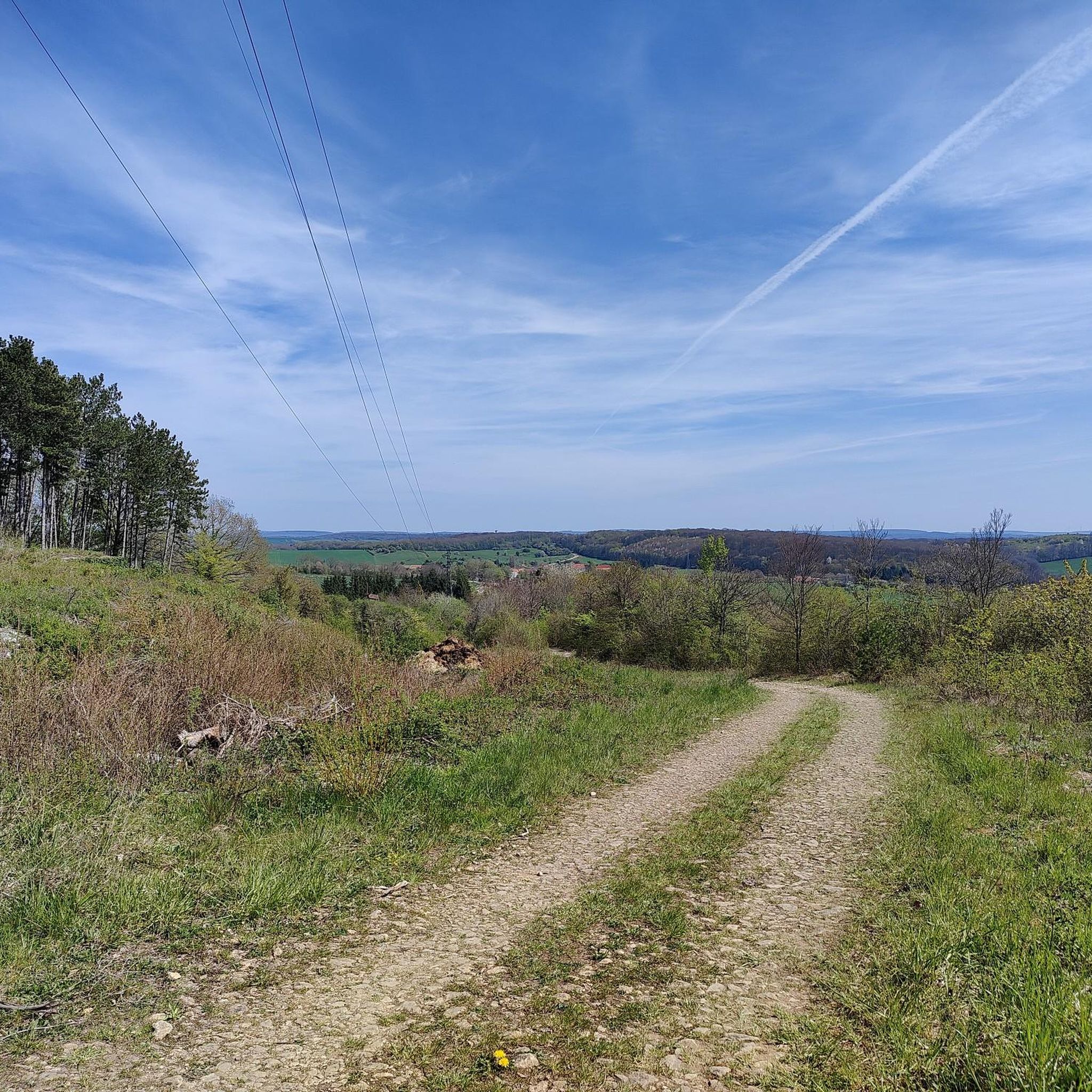
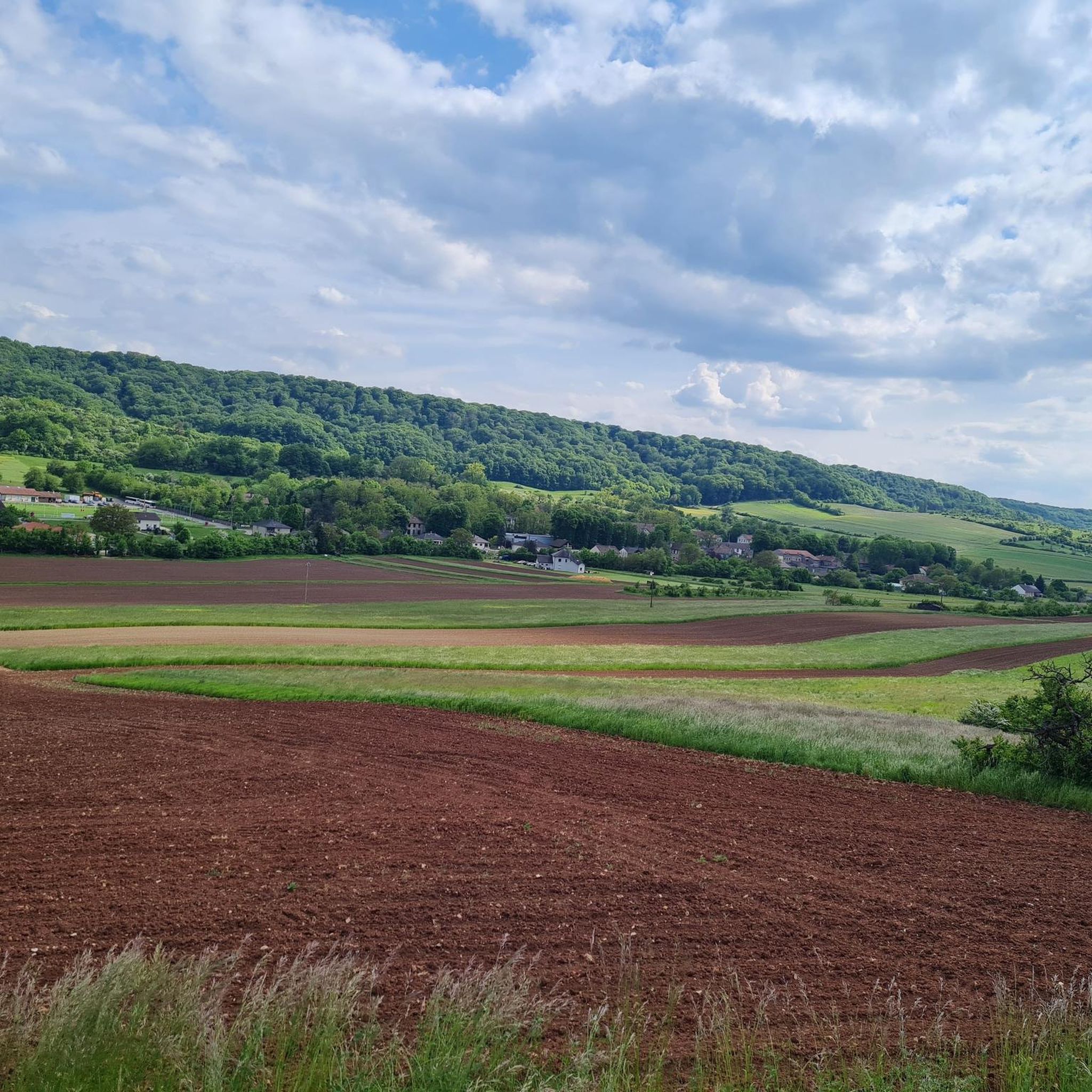

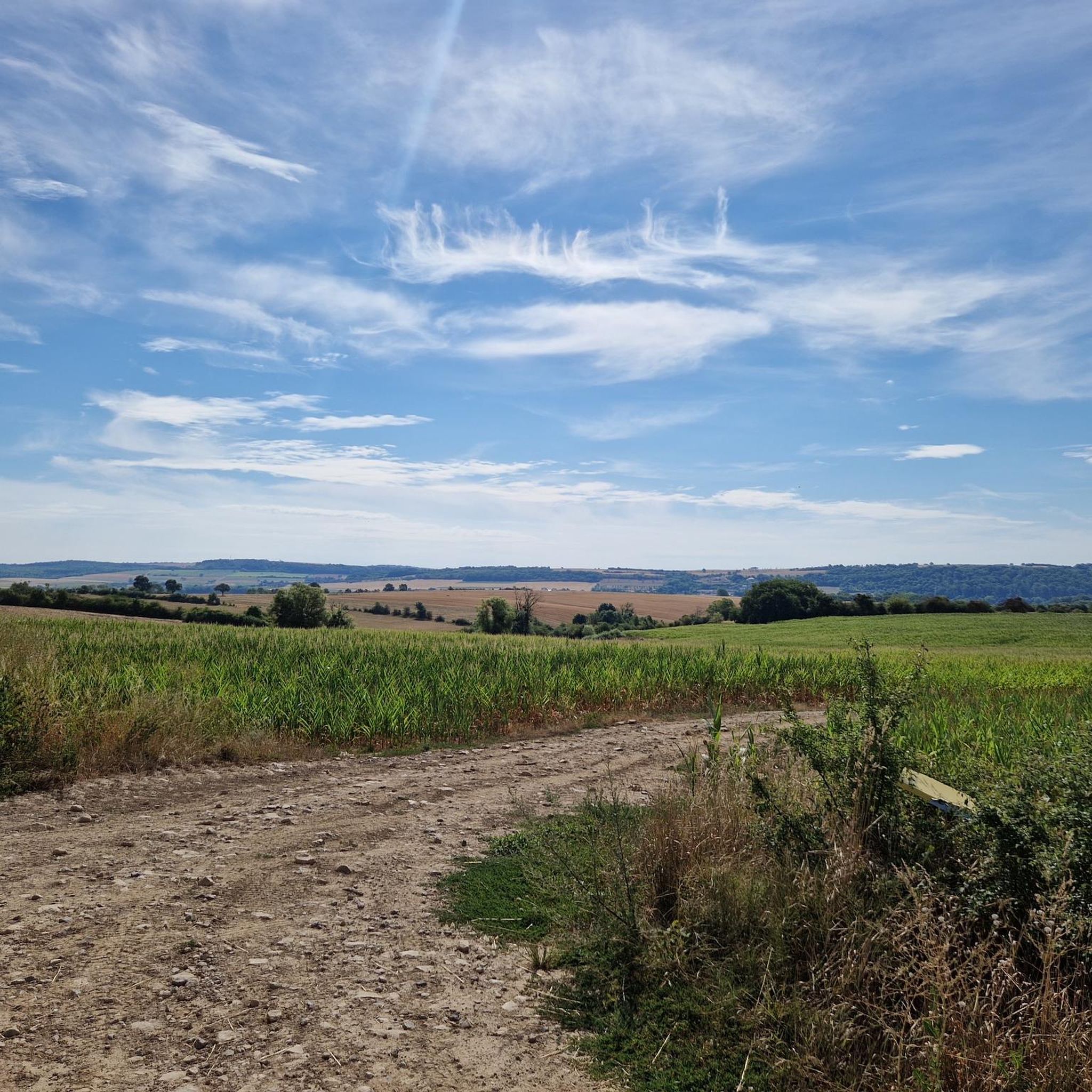
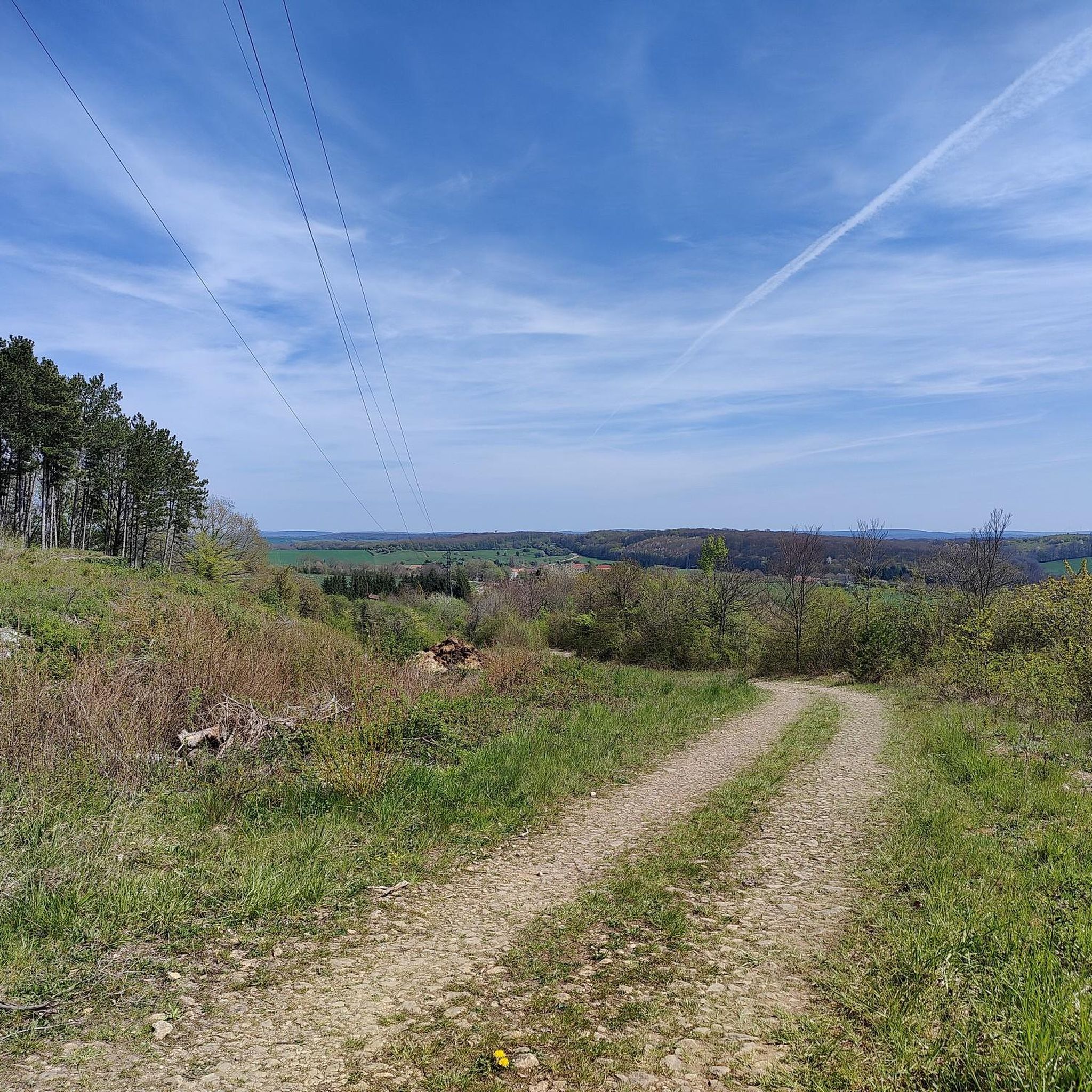
Tips from the Community

Unfortunately, the information board is now missing.
1
0
Here, the border between France and Germany runs along, as a median strip, the "Neutral Street," known in France as "Rue de la Frontière" (Border Street), which runs through the town. Thus, on one side of the street, the houses are in Germany, on the other, in France.
2
0

⛪ **Church of Kédange-sur-Canner – A Simple Jewel in the Moselle Valley** The **Église Saint-Martin** in **Kédange-sur-Canner** is a tranquil example of rural church architecture in Lorraine. Its origins date back to the **18th century**, and it has been restored several times over the years. The church is located slightly elevated in the village center and, with its steeple, offers a striking landmark. 🕊️ Its interior is simple, exuding a tranquil atmosphere – with harmonious proportions, light plaster, and a chancel illuminated by discreet glass panels. **Tip:** Those on quiet tours will find a quiet place to rest here with a view of village life – ideal for a moment of reflection or an architectural photo.
1
0
🛡️ **Ouvrage du Hackenberg** – The Largest Fortification of the Maginot Line** The **Ouvrage du Hackenberg** near **Veckring** is the most impressive and largest fortification of the **Maginot Line** – a real must-see for history buffs. Built between 1929 and 1935, it includes: 🔩 **17 combat and entry blocks**, 🚇 over **10 km of underground tunnels**, 🚂 an **internal electric railway**, ⚙️ barracks, ammunition depots, a hospital, and a power supply. During World War II, the fort was combat-ready, but was evacuated without a fight after the armistice in 1940. The French Army later reused the facility during the Cold War. 🎟️ Today, Hackenberg has been beautifully restored and can be visited on guided tours – including a ride on the original narrow-gauge railway. Tip: Be sure to take a guided tour – it lasts about two hours. The underground coolness is pleasant even in summer! It's ideal for a half-day excursion with a historical twist.
0
0
📍 Celtic House Rehlingen-Siersburg – Hands-on History This reconstructed Celtic farmstead, created from finds from the Saar-Moselle-Metz region, stands in the middle of the forest. It demonstrates how Celtic tribes lived, built, and buried their dead over 2,000 years ago. 🏡 The complex includes a residential building, burial mounds, and information panels – erected with the support of local schools, communities, and clubs. An exciting learning center with a real connection to regional history.
0
0

This cemetery, with its partly elaborate gravestones, is located directly on the main road in front of the church of Kedange.
0
0
A super asphalted one-way road leads up to the fort and back down again 🚴👍
1
0

Street that separates Germany and France and has cute little houses.
1
0
Frequently Asked Questions
What historical sites can I visit near Schemmerich?
The region around Schemmerich is rich in history. You can explore the Celtic Farmstead Reconstruction, which offers insights into ancient Celtic life. Another significant historical site is Hackenberg Fort, a part of the Maginot Line, known for its unique 3-hour presentations. You can also visit the Leidingen Border Street, which marks the historical border between Germany and France, or discover the remnants of the "Sitting War" at the Positions in the Dennenwald.
Are there family-friendly attractions around Schemmerich?
Yes, several attractions are suitable for families. The Celtic Farmstead Reconstruction is highly recommended for families, offering an engaging way to learn about history. The Leidingen Border Street and Hackenberg Fort also welcome families, with the fort providing an immersive historical experience. Even the tranquil Kédange-sur-Canner Church is noted as family-friendly.
What kind of outdoor activities can I do near these attractions?
The area offers various outdoor activities, particularly hiking and cycling. You can find numerous routes for different skill levels. For hiking, explore trails like the Bouzonville Route or the Menskirch loop. Cyclists can enjoy routes such as the Charles le Téméraire cycle route or the Fort Michelsberg loop. You can find detailed information and more routes on the dedicated guides for Hiking around Schemmerich, Cycling around Schemmerich, and Road Cycling Routes around Schemmerich.
Are there any viewpoints or scenic spots in the area?
Yes, the Leidingen Border Street is not only a historical site but also a viewpoint, offering unique perspectives on the border region. While not explicitly listed as a viewpoint, the Hackenberg Fort is situated in a way that provides views of the surrounding countryside, especially along the asphalted road leading up to it.
Are there any wheelchair-accessible attractions?
The Leidingen Border Street is noted as being wheelchair accessible, allowing visitors to experience this unique historical and geographical marker.
Where can I learn about the history of the border between Germany and France?
The Leidingen Border Street is the primary location to learn about the historical border between Germany and France. It's known as "Neutral Street" and provides extensive information about the border village of Leidingen and its unique position.
Can I visit any religious buildings in the Schemmerich area?
Yes, the Kédange-sur-Canner Church is a notable religious building in the region. It's part of the path of Saint Jacques de Compostela and is appreciated for its tranquil atmosphere and 18th-century origins.
What is the Hackenberg Fort and what can I expect during a visit?
The Hackenberg Fort is a significant historical site that forms part of the Maginot Line. Visitors can expect an immersive experience, typically involving a presentation that lasts about 3 hours. It's a unique opportunity to explore a 20th-century fortification and witness demonstrations, such as the turret in action.
What do visitors enjoy most about the attractions around Schemmerich?
Visitors particularly appreciate the historical depth and unique experiences offered. The Celtic Farmstead Reconstruction is praised for its educational value and suitability for families. The Leidingen Border Street is valued for its historical information and the unique experience of being on a border. The Hackenberg Fort is often described as a 'unique experience' and 'awesome' for its detailed presentations.
Are there any specific hiking trails that explore historical sites?
Yes, the Leidingen Border Street is part of the premium hiking trail "Grenz-Blick-Weg," which is highly recommended for those interested in combining hiking with historical exploration. Additionally, the area around the Celtic Farmstead Reconstruction offers beautiful hikes where you can learn about the history of the druids through information boards.
What is the significance of the Positions in the Dennenwald?
The Positions in the Dennenwald are historical field positions from the "Sitting War" (la drôle de guerre) during World War II. These remnants, including dugouts, machine gun positions, and trenches, were part of the French defensive lines along the border, securing the apron of the Maginot Line.

Get inspired with the komoot mobile app


Explore more
Still not found the Highlight you’re looking for? See guides of the top attractions in other regions:
