Attractions and Places To See around Lagney - Top 20
Best attractions and places to see around Lagney include a collection of significant historical and religious sites, primarily centered around the city of Toul. The region features impressive Gothic architecture, ancient fortifications, and culturally important religious monuments. Visitors can explore centuries of history through its well-preserved landmarks and unique architectural designs. The area offers a blend of historical exploration and cultural appreciation.
Best attractions and places to see around Lagney
- The most popular attractions is Saint Stephen's Cathedral, Toul,…
Last updated: June 24, 2026
Saint Stephen's Cathedral, Toul
Highlight • Religious Site
Translated by Google •
Tip by

Toul Cathedral
Highlight • Religious Site
Translated by Google •
Tip by

Sign up now to discover places like this
Get recommendations on the best single tracks, peaks, & plenty of other exciting outdoor places.
Sign up for free
Lourdes Grotto
Highlight • Gorge
Translated by Google •
Tip by

Rosary Chapel
Highlight • Other
Translated by Google •
Tip by
Vauban Fortifications, Toul
Highlight • Other
Translated by Google •
Tip by
Sign up for free to discover even more attractions around Lagney.
Sign up for free
Already have an account?
Start today with a free account
Your next adventure awaits.
Login or Signup


Tips from the Community

For the meditative contemplation of the faithful during the prayer of the Rosary, there are several text variants. According to ancient tradition, the Church knows three versions – referred to as "Mysteries" (from the Greek "Mysterion", which in theology means the revelation of something that would not be accessible to us humans without God's help"): the 'Joyful Mysteries' / the 'Sorrowful Mysteries' / the 'Glorious Mysteries'. His Holiness Pope John Paul II supplemented them in October 2002 with the Apostolic Letter "Rosarium Virginis Mariae" by adding the 'Luminous Mysteries'. Furthermore, it is not at all uncommon for a Rosary devotion in various parishes or groups to be expanded with formulations. A special variant, which I once found on a prayer sheet and would like to present here, is the "Peace Rosary", in which the five mysteries are as follows: + Jesus, at whose birth angels announced peace (cf. Lk 2:8-14) + Jesus, who directs our steps on the path of peace (cf. Lk 1:67-79) + Jesus, who has blessed those who peacemake (cf. Mt 5:3-12a) + Jesus, who sent his disciples to bring peace (cf. Mt 10:7-13) + Jesus, who has left us his peace (cf. Jn 14:23-27)
0
0

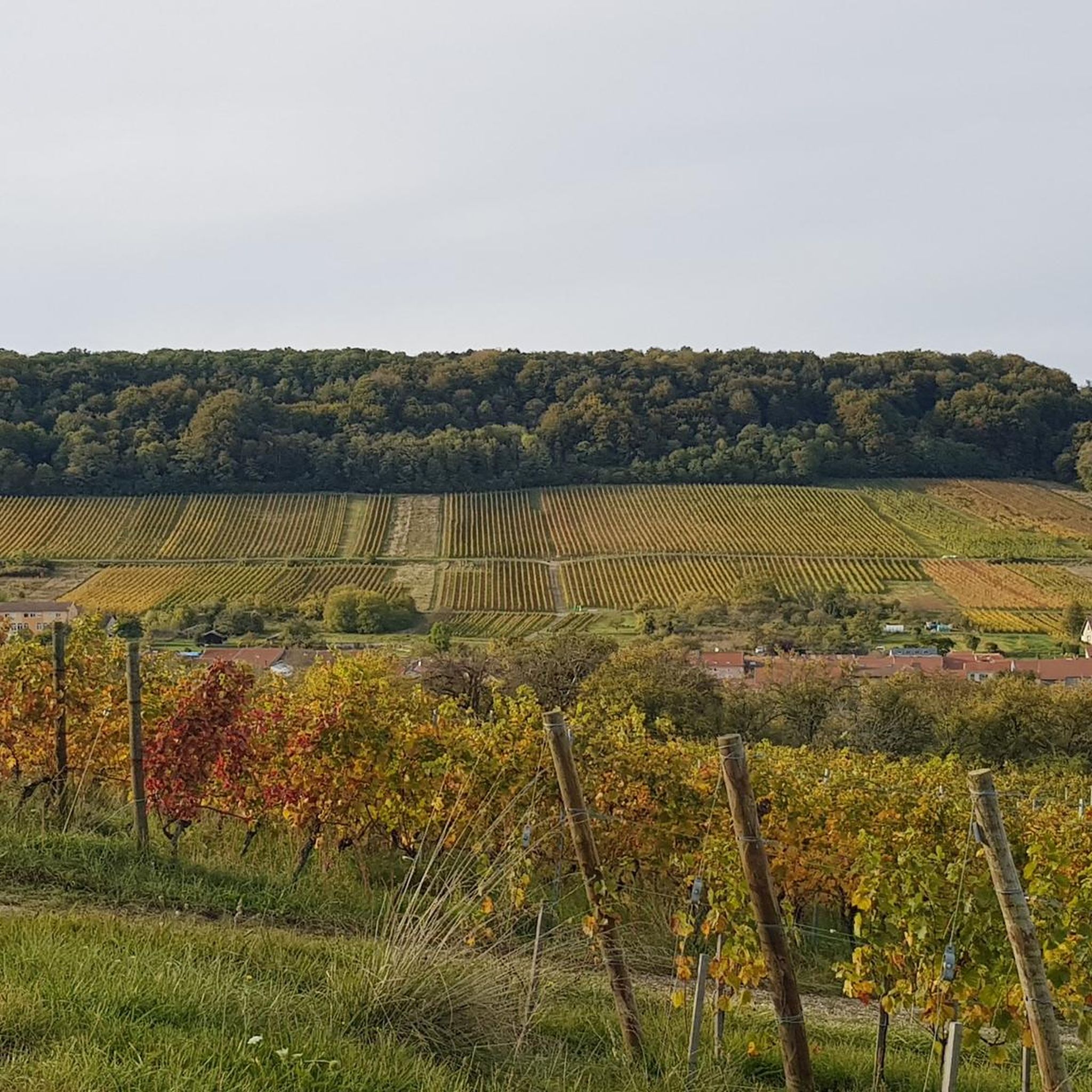
The cult of the Virgin is ancient in Lorraine, particularly on the Hill of Sion. The apparitions of Lourdes after those of La Salette mark the souls of a very Christianized population in the countryside. Pilgrimages to Lourdes gained momentum in the 1880s. In 1883, there were 1,600 pilgrims from Lorraine. The momentum was given. The idea naturally came to evoke or reproduce the Massabielle cave. https://www.bruley.mairie54.fr/fr/la-replique-de-la-grotte-de-lourdes.html
4
0
The general plan of the Rosary Chapel is reminiscent of the Rosary Basilica in Lourdes. It was built from 1892 to 1894 to the plans of the architect Jacquemin at the initiative of Canon Demange and then his brother. The chapel has three alveoli for the three mysteries: joyful mystery, painful mystery, glorious mystery. Each cell has five windows and five tables. The entire esplanade and the Rosary chapel were listed in the supplementary inventory of Historic Monuments in July 2005. https://www.bruley.mairie54.fr/fr/la-chapelle-du-rosaire.html
4
0
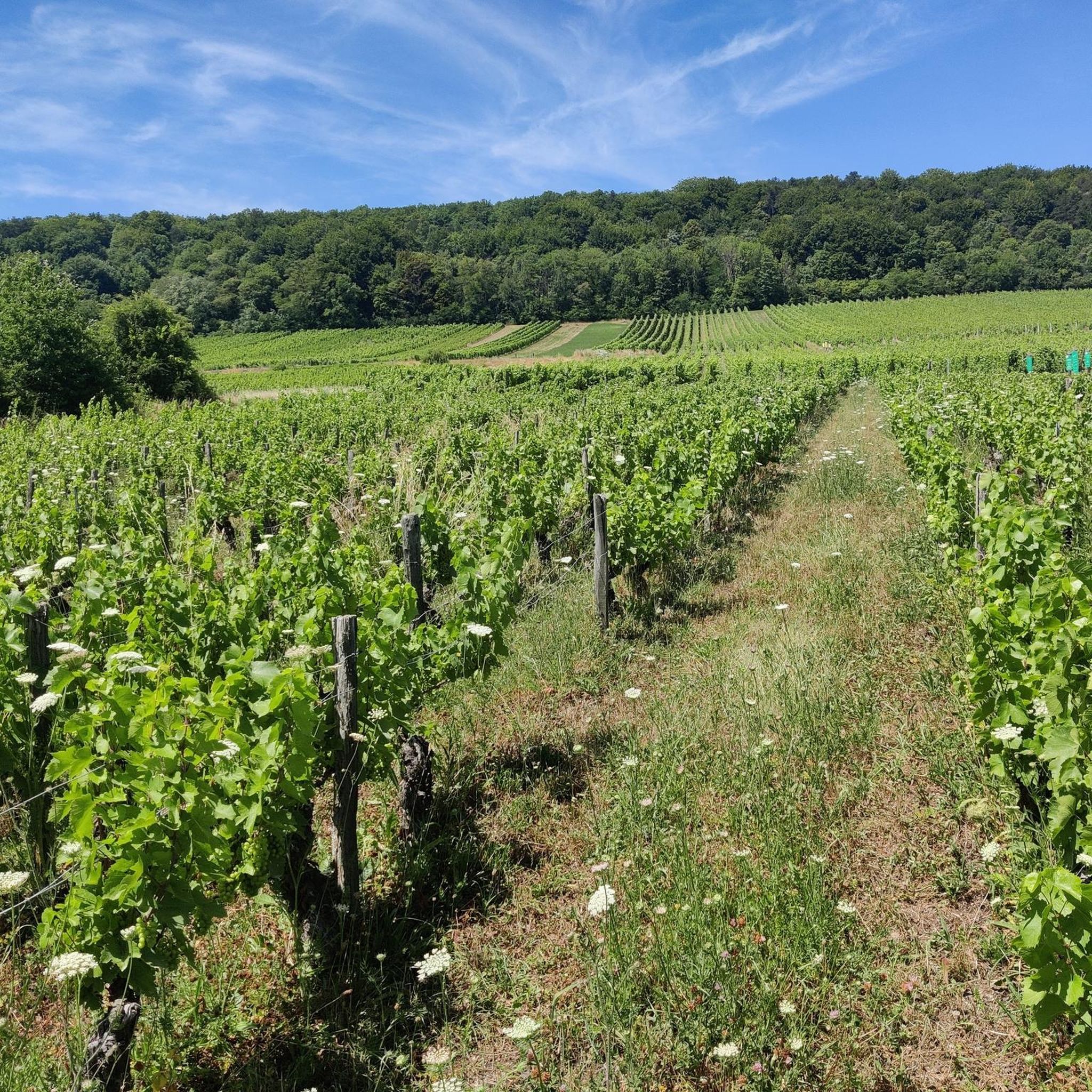
One of Vauban's designs for the town of Toul consisted of demolishing the already existing fortifications and enlarging the surface of the town by inserting all the nearby suburbs within a single bastioned enclosure. This project was chosen by the king and work began on May 12, 1700, but, contrary to Vauban's wishes, inside the city and not outside. The work progressed only slowly, the city having lost all interest after the signing of the peace treaties. The ramparts and parapet were completed in 1722. In the first half of the 1740s, the canal locks were completed and the only complete peninsula was completed. But the work stopped there and the project was not completed. [https://sites-vauban.org/ressources/site-vauban/toul] An aerial view allows you to clearly see the contours of the fortifications, and you can also easily walk around them.
4
0
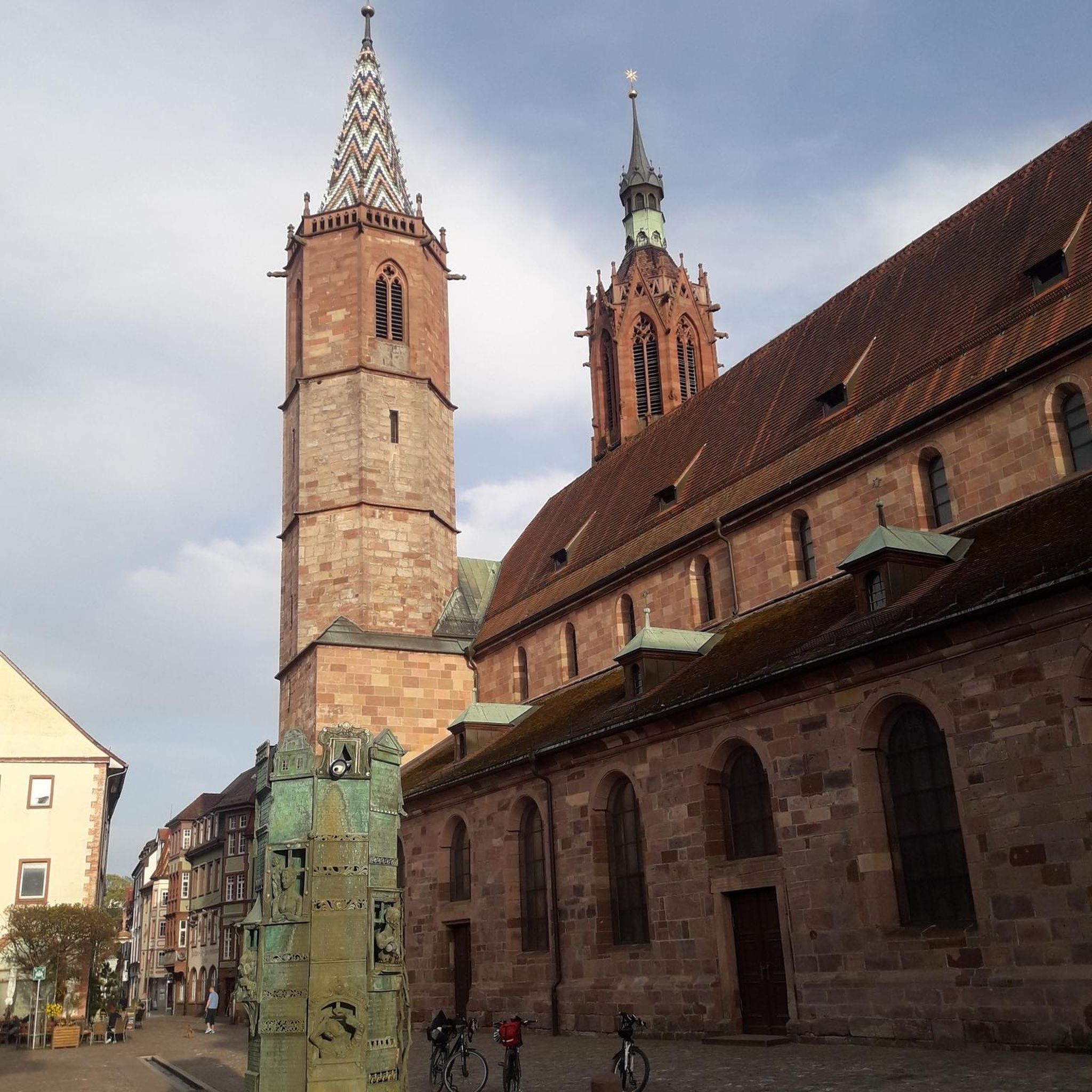
Toul Cathedral celebrated its 800th anniversary in 2021 (although it was not completed until after 1500). The monumental building dominates the cityscape from afar?
5
0

The fortification of Toul goes back to a plan by Vauban from 1697. However, the fortification was never completed.
2
0

The town hall building
3
2

Impressive Gothic cathedral of Toul, which houses one of the largest cloisters in France! It was stripped of its statues during the French Revolution but kept its superb. Also worth seeing: its two cloisters and the adjoining garden, very pleasant for taking a break in the shade.
5
0
Frequently Asked Questions
What historical sites can I visit around Lagney?
The area around Lagney, particularly in Toul, is rich in history. You can explore the impressive Saint Stephen's Cathedral, Toul and Toul Cathedral, both showcasing magnificent Gothic architecture. Don't miss the historic Vauban Fortifications, Toul, an ambitious military engineering project from the 17th century, or the unique Blue Pavillion, a semi-circular building with a fascinating past.
Are there any significant religious sites in the Lagney area?
Yes, Lagney is known for its important religious buildings. The Saint Stephen's Cathedral, Toul features one of France's largest cloisters and a flamboyant Gothic facade. The Toul Cathedral is also a must-see, notable for its beautiful Gothic design and unique status as the only cathedral in France owned by its city. Additionally, the Lourdes Grotto is a significant Marian pilgrimage site, replicating the Massabielle cave.
What kind of architectural styles can I see in Lagney?
The architecture around Lagney is predominantly Gothic, especially evident in the grand cathedrals of Toul. Both Saint Stephen's Cathedral and Toul Cathedral are prime examples of this style, with intricate facades, soaring naves, and beautiful cloisters. You can also observe military architecture at the Vauban Fortifications and a unique semi-circular design at the Blue Pavillion.
What outdoor activities can I do near the attractions around Lagney?
Beyond the historical sites, the Lagney area offers various outdoor activities. You can find numerous hiking trails, such as the 'Les Roises de Lucey – Lourdes Grotto loop' or the 'Fort de Bruley – Les Roises de Lucey loop'. For cyclists, there are road cycling routes like the 'Port de France in Toul – Lourdes Grotto loop'. Runners can enjoy trails like the 'Lourdes Grotto loop from Bruley'. For more details on these routes, visit our dedicated guides for hiking, road cycling, and running around Lagney.
Are there family-friendly attractions around Lagney?
Yes, the Toul Cathedral is noted as a family-friendly attraction, offering an engaging historical and architectural experience for all ages. Exploring the grand scale and intricate details of the cathedral, including its beautiful cloister, can be a captivating experience for families.
What do visitors enjoy most about the attractions around Lagney?
Visitors frequently praise the impressive Gothic architecture of the cathedrals, particularly the magnificent facades and cloisters. The historical significance of sites like the Saint Stephen's Cathedral and the Vauban Fortifications is also highly appreciated. The unique character of the Blue Pavillion and the spiritual atmosphere of the Lourdes Grotto are also popular highlights, contributing to over 180 upvotes and 115 photos shared by the komoot community.
Can I visit a replica of the Lourdes Grotto near Lagney?
Yes, the Lourdes Grotto near Lagney is a replica of the famous Massabielle cave in Lourdes, France. It serves as a significant Marian pilgrimage site, reflecting the ancient cult of the Virgin in Lorraine and offering a place for spiritual reflection.
What is unique about Toul Cathedral?
The Toul Cathedral is unique in France because it is owned by the city of Toul, rather than the church or the state. This beautiful Gothic cathedral also boasts a wonderful cloister and a distinctive main facade framed by two towers, making it a must-see landmark.
Are there any military history sites around Lagney?
Yes, the Vauban Fortifications, Toul are a notable site for military history enthusiasts. These fortifications were part of a grand design by Vauban in the late 17th century to enlarge and protect the city of Toul, though the project was never fully completed. You can still see the contours of these impressive defensive structures.
Where can I see impressive cloisters in the Lagney area?
Both of Toul's main cathedrals feature impressive cloisters. The Saint Stephen's Cathedral, Toul houses one of the largest cloisters in France, offering a serene and historically rich space. The Toul Cathedral also has a beautiful Gothic cloister that is well worth exploring.
Can I find any unique architectural landmarks in Lagney?
Absolutely. The Blue Pavillion in Toul is a unique semi-circular building constructed in the 1880s. Originally designed to facilitate carriage passage, it has served various purposes, from a shop window to an information point, and its unusual and beautiful facade immediately catches the eye.

Get inspired with the komoot mobile app


Explore more
Still not found the Highlight you’re looking for? See guides of the top attractions in other regions:
