Attractions and Places To See around Coggia - Top 20
Best attractions and places to see around Coggia include a blend of natural landscapes, historical sites, and authentic Corsican villages. This region, nestled in the Corsican landscape, offers diverse experiences from coastal views to river valleys. Visitors can explore a variety of attractions, including pristine beaches, ancient landmarks, and cultural sites. The area is characterized by its rugged terrains and the Liamone River, which flows into the Gulf of Sagone.
Best attractions and places to see around Coggia
- The most…
Last updated: October 10, 2026
Cargèse
Highlight • Viewpoint
There you will find everything you need to eat and sleep.
Translated by Google •
Tip by

Cargese, its churches, the sea, the mountains
Highlight • Religious Site
Tip by

Sign up now to discover places like this
Get recommendations on the best single tracks, peaks, & plenty of other exciting outdoor places.
Katholische Kirche of the Assumption
Highlight • Other
Its name is the Assumption, or Sainte-Marie (Santa Maria Assunta in Corsica).
The church has flat pilasters on its facade …
Translated by Google •
Tip by

Sagone
Highlight • Other
Translated by Google •
Tip by

Pont de Baccu di a Sarra
Highlight • Bridge
The length of its course is 40.9 km. The Liamone takes its source on the western slope of Monte Cimatella (2,099 meters high), in …
Translated by Google •
Tip by
Sign up for free to discover even more attractions around Coggia.
Already have an account?
Start today with a free account
Your next adventure awaits.
Tips from the Community


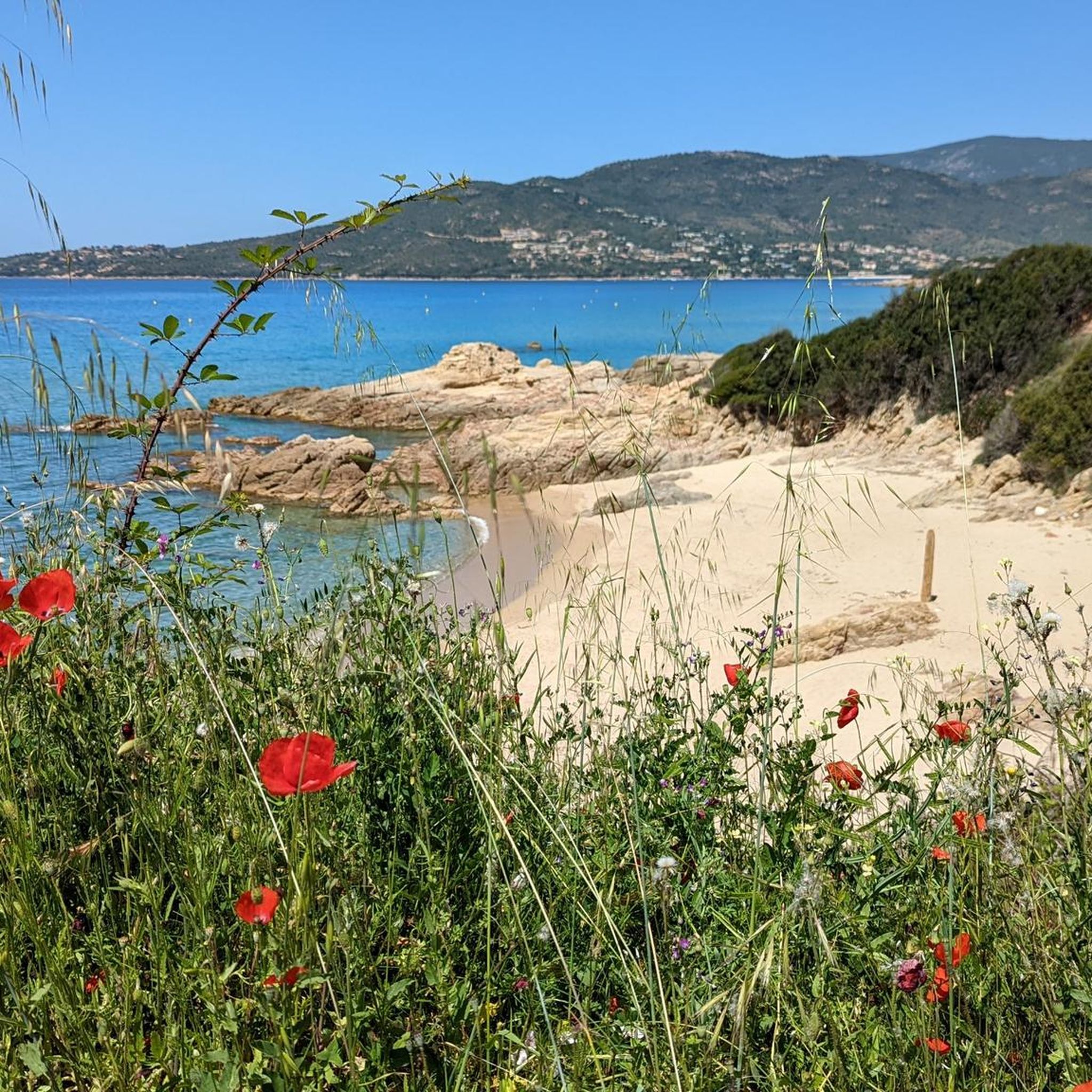
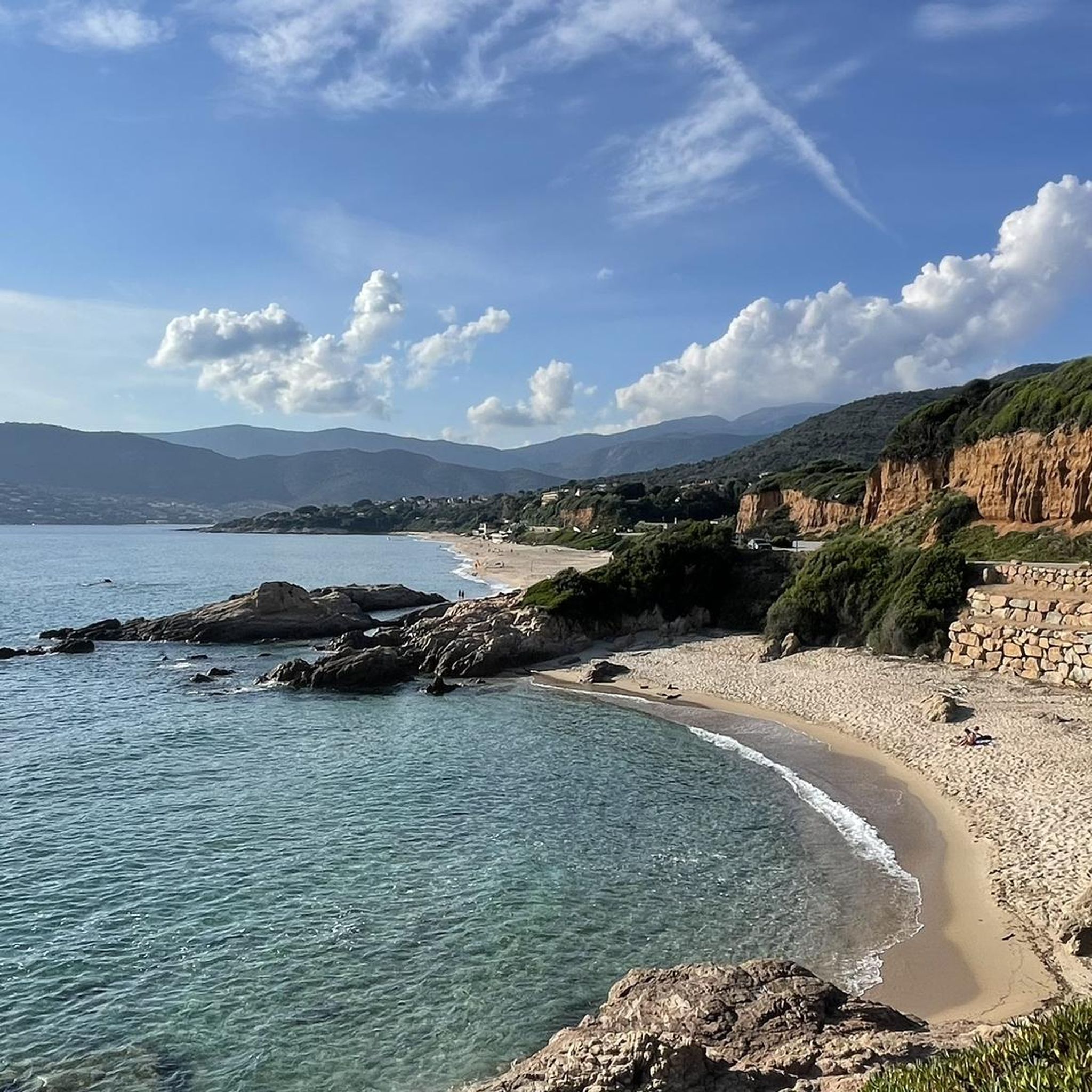
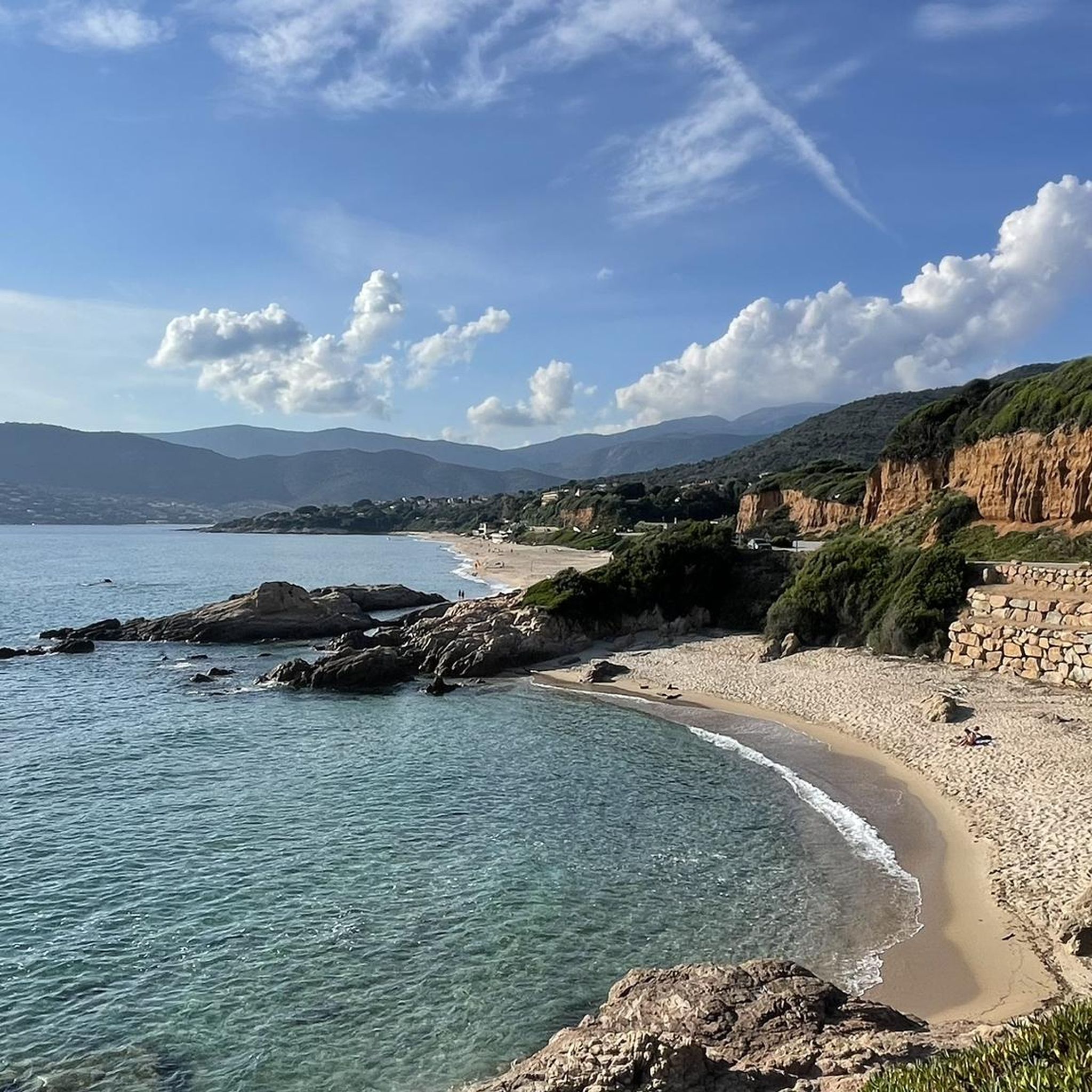
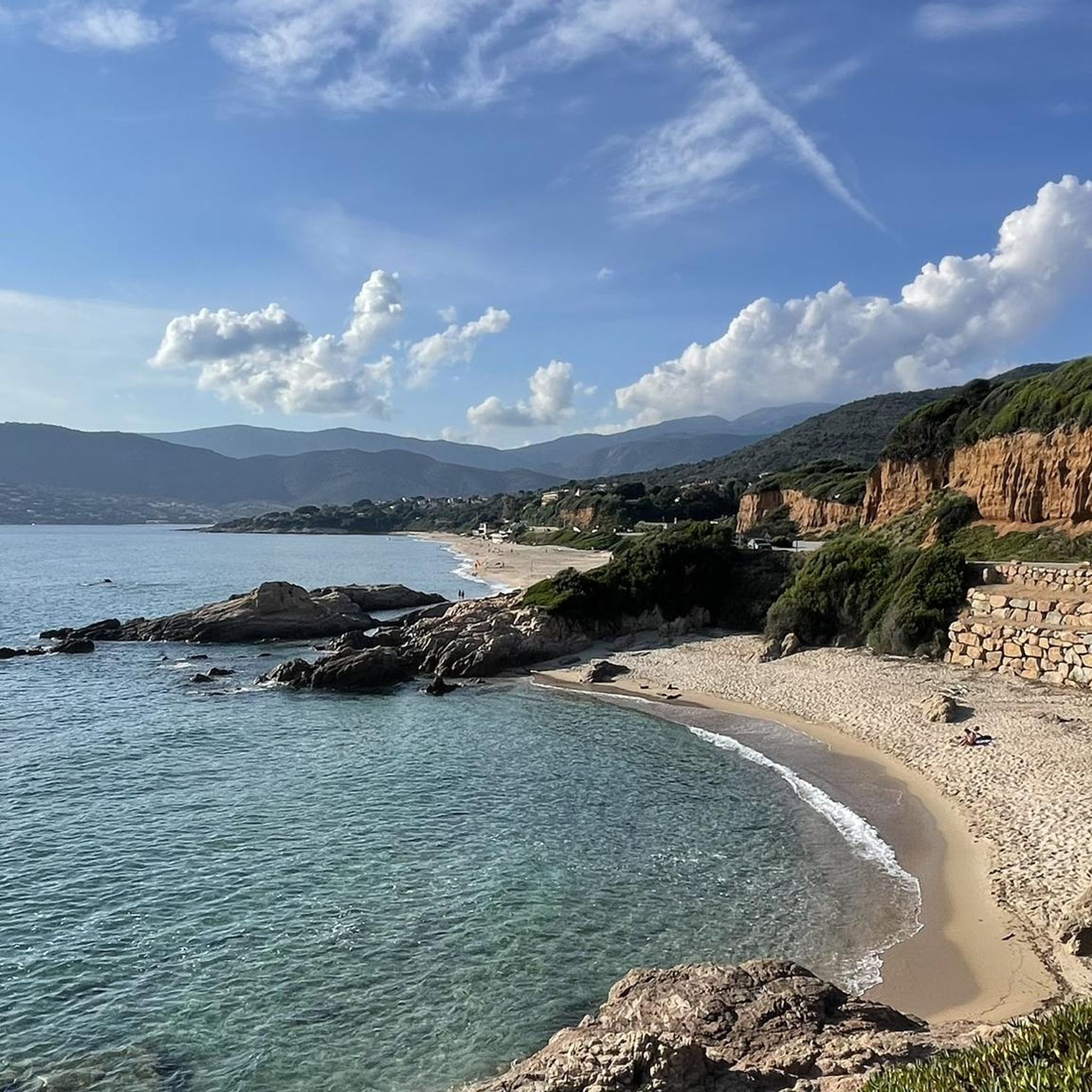
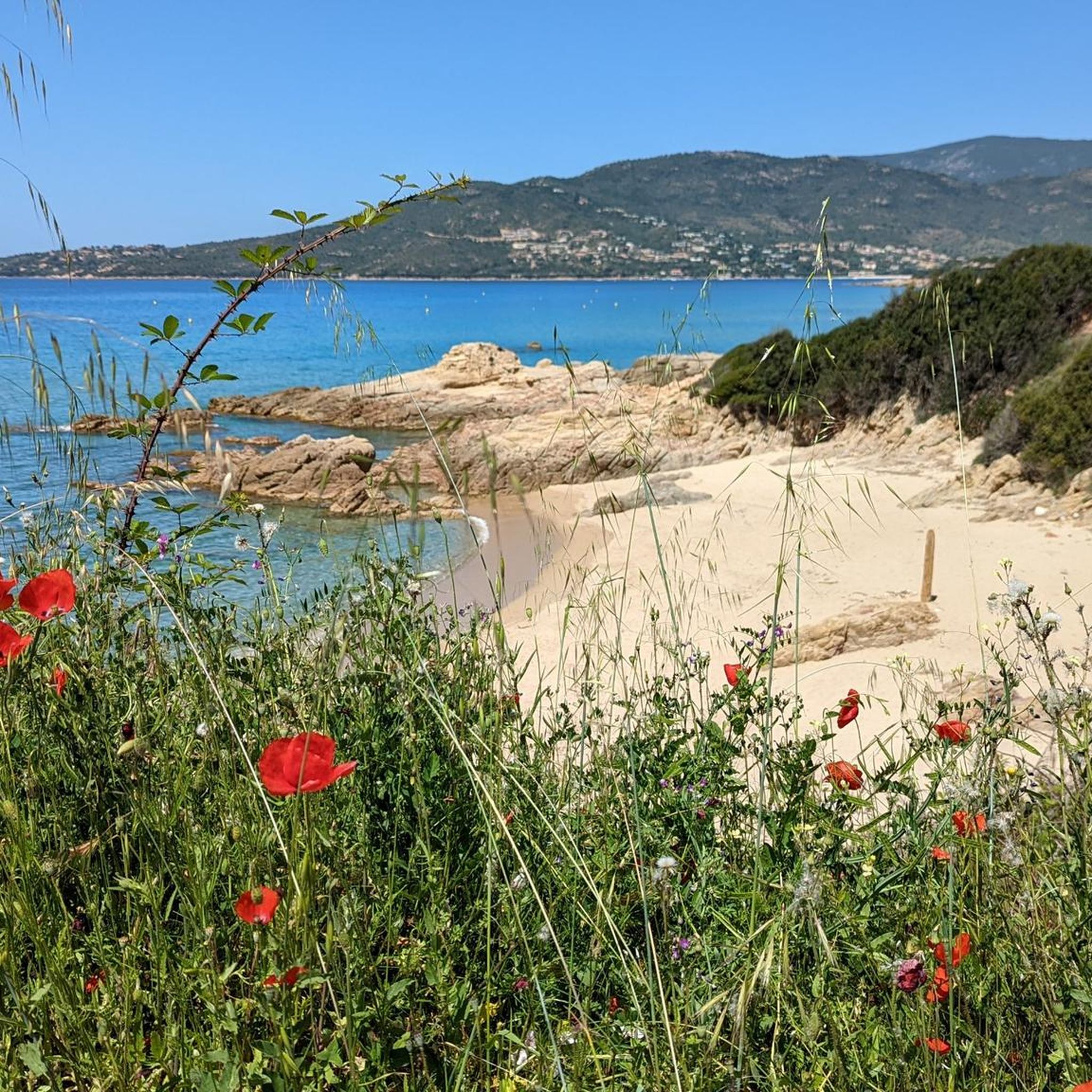
The Corsican town of Sagone (Corsican: Saone) with about 800 inhabitants belongs partly to the municipality of Vico, partly to the municipality of Coggia and is located 36 kilometers north of Ajaccio on the west coast of Corsica on the Gulf of Sagone.
1
0


The patronage of this place of worship “Notre-Dame-de-l'Assomption” refers to one of the many memorial or festival days in honor of Mary, Mother of God. This goes back to the festival of her physical assumption into heaven. The (Catholic) Church celebrates this festival annually on August 15th. In the Orthodox churches the feast is called the Dormition of the Virgin Mary. In rural areas of Germany with a predominantly Catholic population, it used to be customary for bundles of herbs to be collected by the population on this special day and blessed in a festive service. This old custom has occasionally survived to this day.
1
0

Larger town also good for shopping or just a cafe.
2
0

The Truggia bridge crosses the Liamone. The length of its course is 40.9 km. The Liamone takes its source on the western slope of Monte Cimatella (2,099 meters high), in the territory of the municipality of Letia, at an altitude of 1,850 meters. In its upper course, it forms the Piscia a l'onda waterfall between the altitude of 546 meters and the altitude of 514 meters. After an impetuous course of nearly 41 kilometers, it empties into the Gulf of Sagone north of Ajaccio, between the two municipalities of Coggia and Casaglione. The Liamone river does not flow directly into the sea, the beach of Liamone separates it from it. The neighboring coastal rivers are to the north the Porto, to the south the Prunelli.
6
0

We rented a mobile home at the campsite in Sagone. There was the essential infrastructure that you need as a tourist, including a well-stocked supermarket with many regional products right outside the door. The beach of Sagone is not the most beautiful in Corsica, but it is quite nice.
0
1
History 1676. Around 700 Greeks from the village of Vitylo decide to flee their land, chased by the Turks. Then reigning over Corsica, the Republic of Genoa allowed them to find refuge in Paomia, a few kilometers from the current location of Cargèse. The Greeks, however, are greeted with suspicion by the islanders who see in them the allies of a regime that they have never really recognized. The first half of the 18th century marked the beginning of the Corsican revolt against the Republic of Genoa. Refusing to betray their benefactors, the Greeks had to take refuge in the tower of Umigna then in Ajaccio in order to escape the hostility of the villagers. A century after the departure of Vitylo, the Count of Marbeuf, governor of the island which had become French, allowed the Greeks to settle in a village on the western coast of Corsica. His name: Cargèse. In 1990, a twinning was created between the Corsican village and Vitylo. The 19th century saw the construction of two churches in Cargèse: the Greek church of Saint-Spyridon as well as the Latin church of the Assumption. Guardians and reflections of the history of the village, they contemplate each other in a silent harmony that only the steps of amazed travelers come to stir.
5
0
Frequently Asked Questions
What are the main natural attractions around Coggia?
Coggia is surrounded by diverse natural beauty. You can explore stunning beaches like Plage de Coggia, Plage de Liamone, and Plage du Grand Large (Santana). The Liamone River, with its upper course featuring the Piscia a l'onda waterfall, is also a significant natural feature. A short drive away, the dramatic red rock formations of the Calanches de Piana, a UNESCO World Heritage site, offer breathtaking coastal views.
Are there any historical or cultural sites to visit in Coggia and the surrounding area?
Yes, the region is rich in history. The village of Coggia itself retains its authentic character with pink granite facades and evidence of prehistoric occupation, including a statue-menhir. The historic Église Saint-Étienne de Coggia is a notable landmark. Nearby, the authentic Corsican village of Cargèse is famous for its two churches, a Greek Orthodox and a Roman Catholic, standing opposite each other, symbolizing its unique history.
What kind of outdoor activities can I do near Coggia's attractions?
The rugged terrain around Coggia is ideal for various outdoor activities. You can find numerous scenic hikes and nature trails, especially around the Gulf of Girolata and the Calanches de Piana. For specific routes, explore the Running Trails around Coggia, Gravel biking around Coggia, and MTB Trails around Coggia guides for detailed routes.
Are there family-friendly attractions or activities in the Coggia area?
Absolutely. Many attractions are suitable for families. The village of Cargèse, with its unique churches and charming atmosphere, is considered family-friendly. The Pont de Baccu di a Sarra on the Liamone River offers opportunities for swimming and refreshment, which can be a fun family outing. Exploring the local beaches is also a great option for families.
Where can I go swimming near Coggia?
Coggia offers several excellent spots for swimming. The local beaches such as Plage de Coggia, Plage de Liamone, and Plage du Grand Large (Santana) are known for their clear turquoise waters. The nearby Sagone bay also boasts a large white sand beach. Additionally, the Pont de Baccu di a Sarra provides access to the Liamone River for a refreshing dip.
What is special about the village of Cargèse?
Cargèse is a unique and authentic Corsican village known for its distinctive history and architecture. It is particularly famous for its two churches, a Greek Orthodox and a Roman Catholic, which stand directly opposite each other on a hill overlooking the Bay of Sagone. This arrangement reflects the village's history as a refuge for Greek settlers in the 17th century.
Can I find places for shopping or dining in the Coggia region?
While Coggia itself is a charming village, for more extensive shopping or dining options, you can visit Sagone. This larger town on the west coast of Corsica is renowned for its bay and beach, and it's a good spot for shopping or enjoying a cafe. Local markets in Coggia or nearby villages like Cargèse also offer opportunities to sample Corsican specialties.
What is the best time of year to visit Coggia for outdoor activities and sightseeing?
The best time to visit Coggia for outdoor activities and sightseeing is generally during the spring (April to June) and early autumn (September to October). During these periods, the weather is pleasantly warm, ideal for hiking and exploring, and the crowds are typically smaller than in the peak summer months. Summer (July and August) is perfect for beach activities, but it can be very hot and busy.
Are there any notable viewpoints in the Coggia area?
Yes, the region offers several scenic viewpoints. The village of Cargese, its churches, the sea, the mountains is itself a fantastic viewpoint, offering panoramic vistas of the village, its churches, the sea, and the surrounding mountains. The dramatic coastal drives around the Calanches de Piana also provide numerous breathtaking photo opportunities and viewpoints.
What kind of local culture and gastronomy can I experience in Coggia?
Coggia and its surroundings offer an authentic Corsican experience. You can immerse yourself in local culture by visiting weekly markets in Coggia or nearby villages like Cargèse, where you can sample regional specialties such as Brocciu cheese and cured meats. Exploring the traditional villages with their distinctive architecture also provides a glimpse into the local way of life. Consider a tour of a local vineyard to taste Corsican wines.
Is it possible to take boat excursions from the Coggia area?
Yes, boat excursions are a popular way to explore the stunning Corsican coastline near Coggia. You can discover hidden coves, sea caves, and picturesque islands by taking a boat trip. These excursions often depart from coastal towns in the region, offering a unique perspective of the dramatic landscapes, including areas like the Gulf of Girolata and the Calanches de Piana.
What is the significance of the Liamone River in the Coggia region?
The Liamone River is a significant natural feature that flows through the Coggia region and empties into the Gulf of Sagone. It is known for its scenic course, originating on the western slope of Monte Cimatella. In its upper reaches, it forms the beautiful Piscia a l'onda waterfall. The river also offers opportunities for swimming and refreshment, particularly near the Pont de Baccu di a Sarra.
Most popular attractions around Coggia

Get inspired with the komoot mobile app


Explore more
Still not found the Highlight you’re looking for? See guides of the top attractions in other regions:
