Attractions and Places To See around Aizac - Top 20
Best attractions and places to see around Aizac, a commune located in the Ardèche department of southern France. The area is characterized by its natural beauty and cultural heritage, offering diverse landscapes for exploration. Visitors can discover features shaped by volcanic activity and the Ardèche River. The region provides opportunities to experience the natural environment of the Ardèche.
Best attractions and places to see around Aizac
- The most popular attractions is Pont du Diable (Thueyts), a bridge that spans…
Last updated: June 18, 2026
Pont du Diable (Thueyts)
Highlight • Bridge
Translated by Google •
Tip by

Ray-Pic Waterfall
Highlight • Waterfall
Translated by Google •
Tip by

Sign up now to discover places like this
Get recommendations on the best single tracks, peaks, & plenty of other exciting outdoor places.
Sign up for free
Montivernoux Climb
Highlight • Climb
Translated by Google •
Tip by

Queen's Ladder
Highlight • Natural Monument
Translated by Google •
Tip by

Giant's Causeway
Highlight • Other
Translated by Google •
Tip by
Sign up for free to discover even more attractions around Aizac.
Sign up for free
Already have an account?
Start today with a free account
Your next adventure awaits.
Login or Signup

Tips from the Community

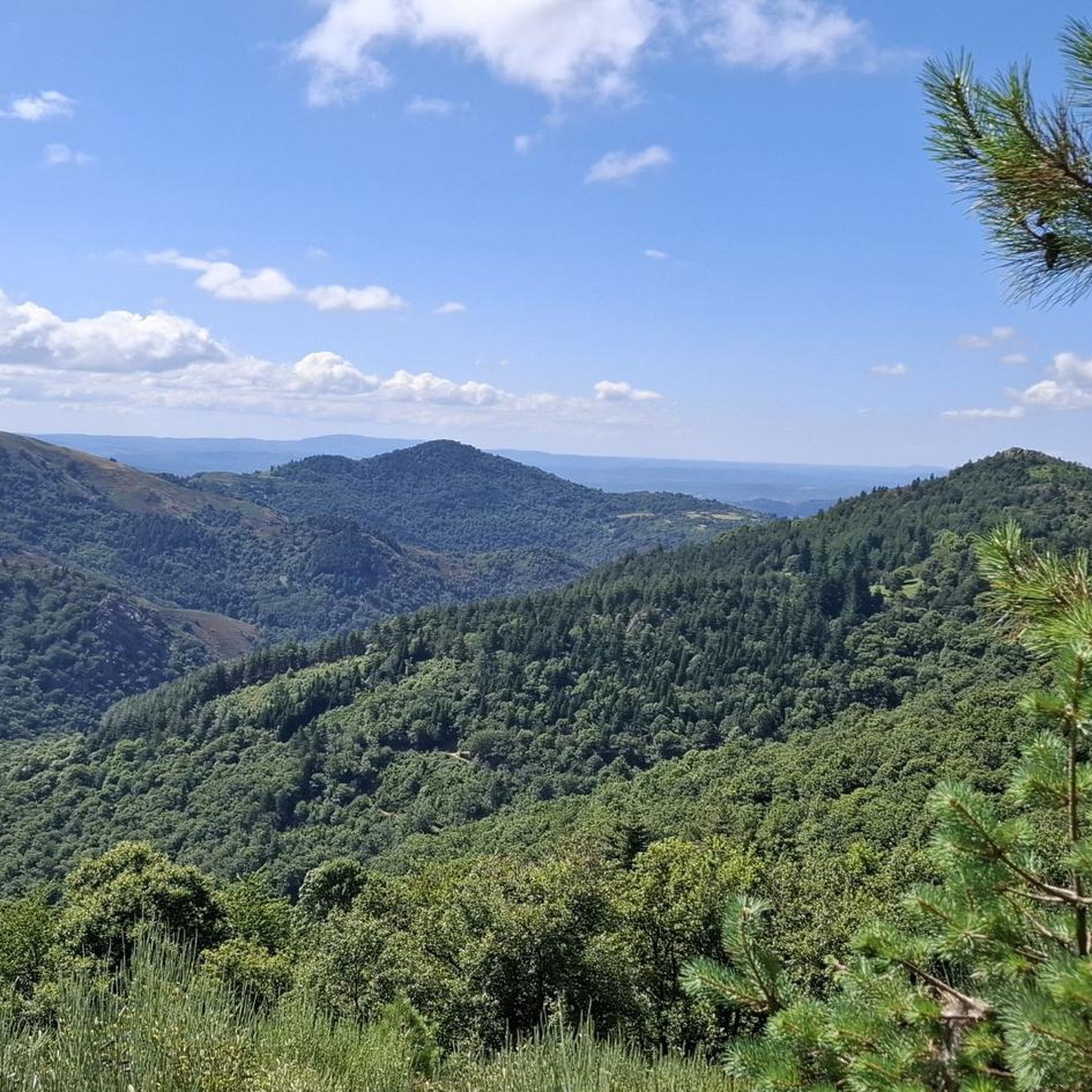
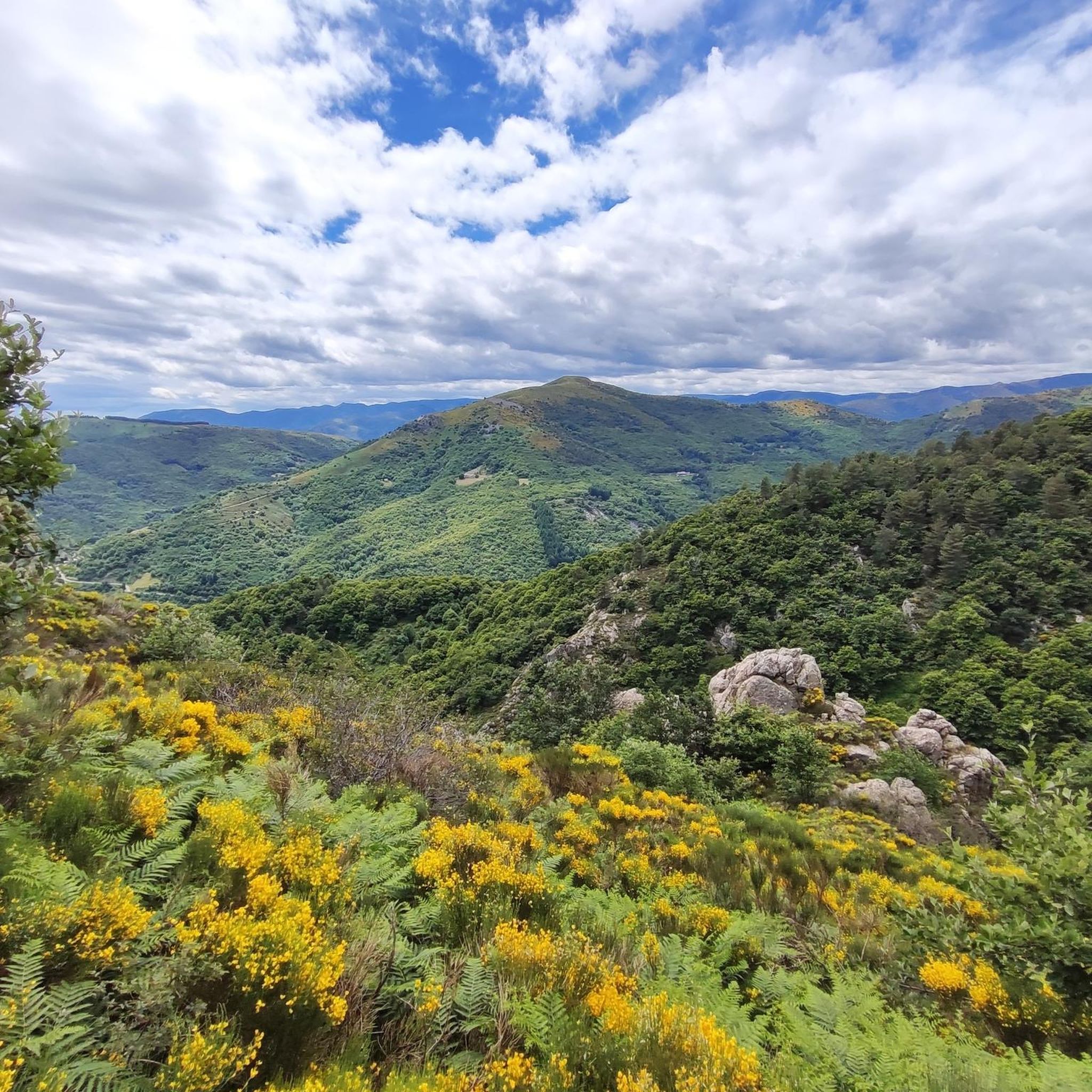
The Queen's Staircase is carved into the volcanic rock. A superb view of the surrounding mountains awaits you at the top of the 215 steps. The magnificent Royal Ladders circuit takes you to discover the Devil's Bridge as well as the Queen's Ladder and the King's Ladder.
2
0

The Giant's Causeway in Thueyts is a striking volcanic rock formation that resembles a giant's staircase, offering spectacular views of the Ardèche landscape. As you walk this trail, you'll see towering basalt columns formed by ancient lava flows, creating a natural wonder that appears almost sculpted.
2
0

Unfortunately, swimming is forbidden
2
0
The Ray-Pic waterfall is a natural waterfall and a natural volcanic site. The amazing rock formations of this 60-meter waterfall follow a lava flow that forms a cascade of basalt columns.
3
0

Thousands of years ago, Ray-Pic was an active volcano. This volcano regularly spewed large lava flows, which bore through the surrounding landscape. Research has shown that these lava flows must have been among the longest lava flows in Europe. For example, some lava flows would have been more than twenty kilometers long. As a result of all the natural disasters, Cascade du Ray-Pic was created, as well as the surrounding landscape. Relatively early in history, this waterfall came to be known as one of the most beautiful sights in Ardèche. In 1931 Cascade du Ray-Pic and its surroundings were declared one of the most important natural sites in this region.
6
1
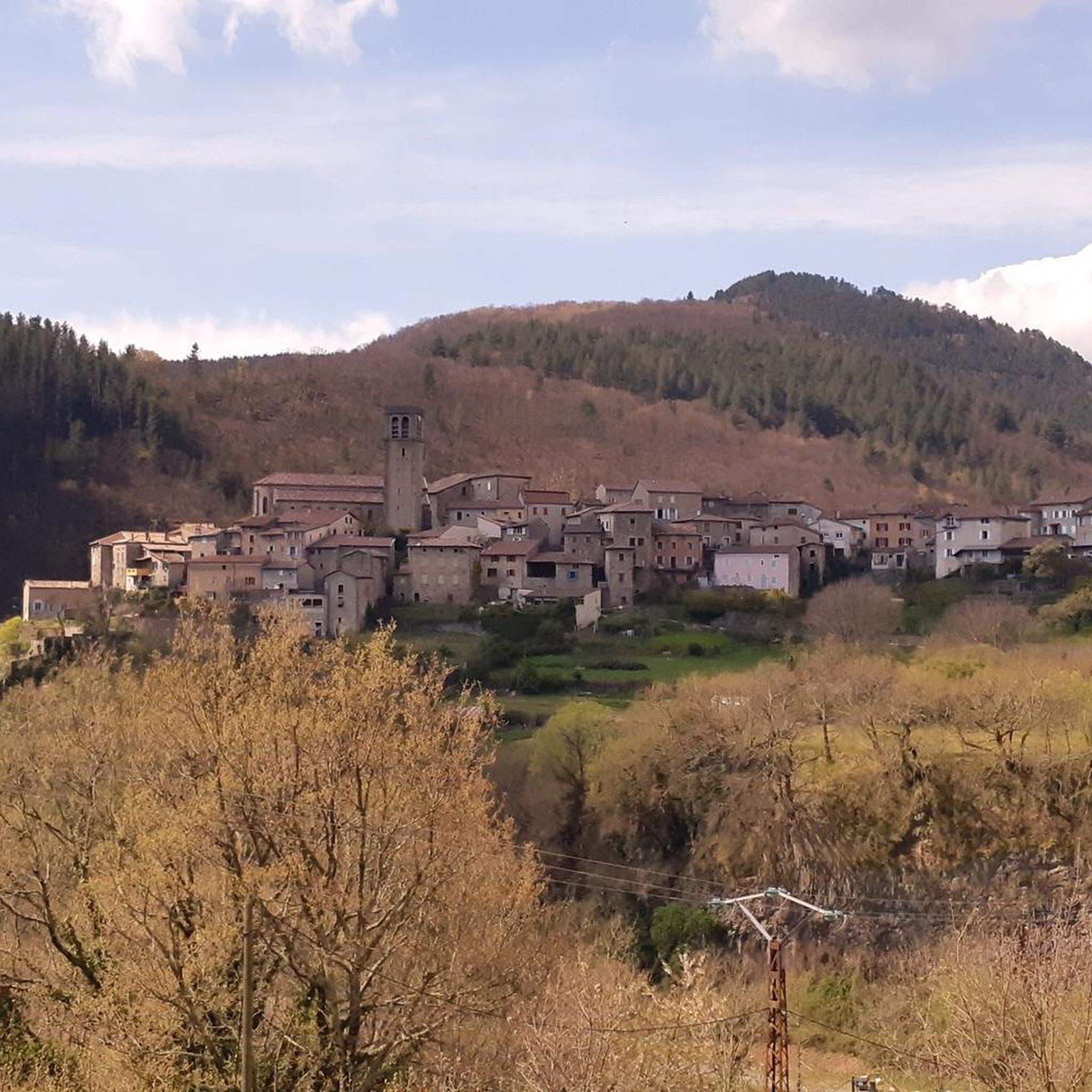
This magnificent stone bridge overlooks the Ardèche River at the foot of the village of Thueyts, 45 minutes from Vallon Pont d'Arc. 17 m high, it is an emblematic place of the Ardèche to discover. According to legend, the bridge was built under the inspiration of the devil, for the destruction of the souls of the young people of the village, who wanted to cross to the other side to hide their guilty loves, slipped into the abyss. "And on days when the river's current swells, we sometimes think we hear their desperate cries mixed with the rumbling of the water"
6
1

Away from traffic, here is a very nice climb of 15 km to reach Lachamp Raphaël, the highest village in the Ardèche. The ascent starts practically at the foot of the Col de Moucheyres shortly after having crossed the hamlet of Freyssenet then that of Mas coming from Labastide sur Besorgues. The road gradually rises in the chestnut trees then dominates the Besorgues. The average slope fluctuates between 5 and 6% on average then straightens up a little more after crossing the bridge that spans the Besorgues. We quickly gain height to dominate the Tanargue massif, the first rampart of the Cévennes. At the end, the profile softens noticeably as it enters the Bois de Cuze forest. The Suc de Montivernoux and its 3 crosses end up revealing themselves on the right, a sign that you are reaching the top while the panorama opens onto the Ardèche plateau from which emerges the elongated silhouette of Mont Mézenc.
1
1

The water under the bridge is deep. You can jump from the rocks towards the beach. Caution cold!
6
0
Frequently Asked Questions
What natural wonders can I explore around Aizac?
The area around Aizac is rich in natural beauty, particularly features shaped by volcanic activity and the Ardèche River. You can visit the Ray-Pic Waterfall, a natural volcanic site with 60-meter falls and amazing basalt column formations. Another notable spot is the Queen's Ladder, a natural monument carved into volcanic rock offering superb views after climbing 215 steps.
Are there opportunities for hiking or cycling near Aizac?
Yes, the Ardèche region is well-known for its hiking and cycling opportunities. You can find various trails for different skill levels. For running, explore routes like the 'Castles of Craux loop' or 'Les Palets – Château de Craux loop' by checking the Running Trails around Aizac guide. For cycling, options range from the 'Ventadour Castle – Labeaume Bridge loop' to longer routes like 'The Bourges River – Montivernoux Peak loop' in the Cycling around Aizac guide.
What unique geological formations can be found in the area?
Beyond the basalt columns at Ray-Pic Waterfall, you can discover the Giant's Causeway in Thueyts. This striking volcanic rock formation resembles a giant's staircase, offering spectacular views and showcasing towering basalt columns formed by ancient lava flows.
Are there any historical sites or cultural landmarks near Aizac?
While Aizac itself is a small commune, the broader Ardèche region offers historical sites. For instance, the Pont du Diable (Thueyts) is an emblematic stone bridge over the Ardèche River with a local legend. Further afield, the Montivernoux Climb offers a route through chestnut trees and views of the Tanargue massif, a historical rampart of the Cévennes.
When is the best time of year to visit Aizac and its attractions?
The Ardèche region is generally pleasant for outdoor activities from spring through autumn. For those interested in local specialties, the chestnut harvest festivals, celebrating the region's famous 'Châtaigne d'Ardèche' (AOC status), are held in various towns between October and early November.
Are the attractions around Aizac suitable for families?
Many natural attractions, such as the Ray-Pic Waterfall and the Pont du Diable, can be enjoyed by families. The Queen's Ladder offers an adventurous climb with rewarding views, suitable for active families.
What are some of the local culinary specialties of the Ardèche region?
The Ardèche is renowned for its chestnuts, known as 'Châtaigne d'Ardèche', which hold an Appellation d'Origine Contrôlée (AOC) status. You can find them fresh, dried, as flour, puree, or peeled whole. For more information on this regional specialty, you can visit Wikipedia.
Can I go swimming near the attractions?
The water under the Pont du Diable is deep, and visitors sometimes jump from the rocks towards the beach, though caution is advised due to cold water. However, swimming is explicitly forbidden at the Ray-Pic Waterfall.
What kind of cycling routes are available for road bikes?
Road cyclists can find challenging and scenic routes around Aizac. Examples include the 'Col de la Fayolle – Col des Pierres de Faux loop' or the 'Col d'Aizac – Col de Juvinas loop'. You can explore more options in the Road Cycling Routes around Aizac guide.
What do visitors enjoy most about the attractions around Aizac?
Visitors frequently appreciate the natural beauty and unique geological formations. The deep water under the Pont du Diable is a highlight, and the Ray-Pic Waterfall is celebrated for its stunning basalt columns. The panoramic views from the top of the Queen's Ladder are also highly rated.
Are there any viewpoints offering panoramic scenery?
Yes, several attractions provide excellent viewpoints. The Queen's Ladder offers a superb view of the surrounding mountains from its summit. Additionally, the Montivernoux Climb allows you to gain height and dominate the Tanargue massif, with the panorama opening onto the Ardèche plateau towards the end of the ascent.
Most popular attractions around Aizac

Get inspired with the komoot mobile app


Explore more
Still not found the Highlight you’re looking for? See guides of the top attractions in other regions:
