Top 7 Mountain Passes around Lachamp-Raphaël
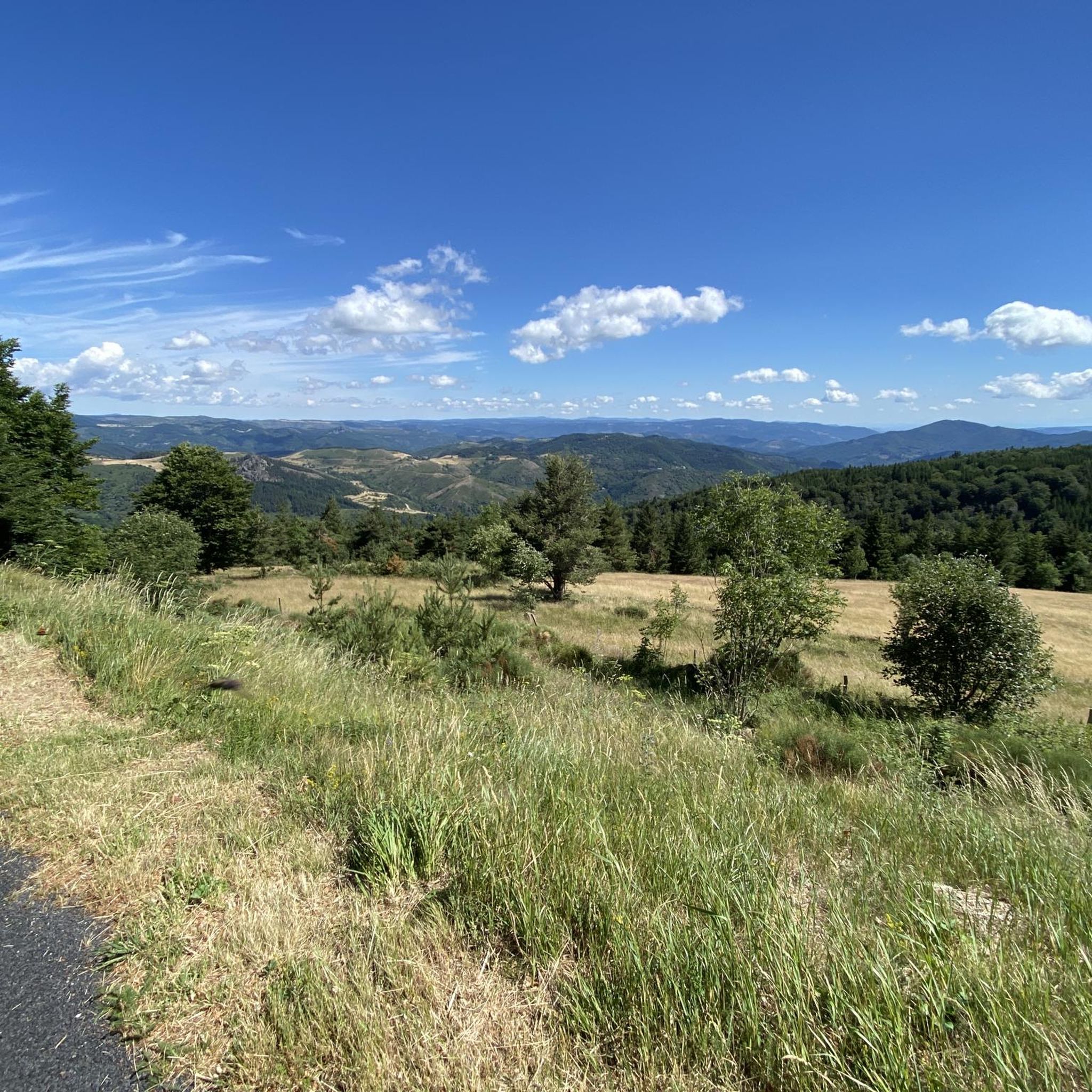
Best mountain passes around Lachamp-Raphaël, a high-altitude village at 1330 meters in the Montagne Ardéchoise, offer access to a volcanic landscape. This region features challenging and scenic ascents, popular with cyclists and hikers. Notable volcanic peaks, known as "sucs," such as Mont Gerbier-de-Jonc and Mont Mézenc, contribute to the area's distinct natural features.
Best mountain passes around Lachamp-Raphaël
- The most popular mountain passes is Col de Mézilhac (1,119 m), a mountain pass that offers panoramic views of the Ardèche…
Last updated: August 20, 2026
Col de Mézilhac (1,119 m)
Highlight • Mountain Pass
Translated by Google •
Tip by

Col du Gerbier de Jonc
Highlight • Mountain Pass
Translated by Google •
Tip by
Sign up now to discover places like this
Get recommendations on the best single tracks, peaks, & plenty of other exciting outdoor places.
Sign up for free
Col de Joux
Highlight • Mountain Pass
Translated by Google •
Tip by
Col de Moucheyres (858 m)
Highlight • Mountain Pass
4.4Km at 4.5% average
Translated by Google •
Tip by

Col d'Aizac
Highlight • Mountain Pass
Departure: Antraigues sur Volane
Length: 3.50 km
Gradient: 226 m
% Average: 6.46% -% Max: 9.0%
Translated by Google •
Tip by
Sign up for free to discover even more mountain passes around Lachamp-Raphaël.
Sign up for free
Already have an account?
Start today with a free account
Your next adventure awaits.
Login or Signup
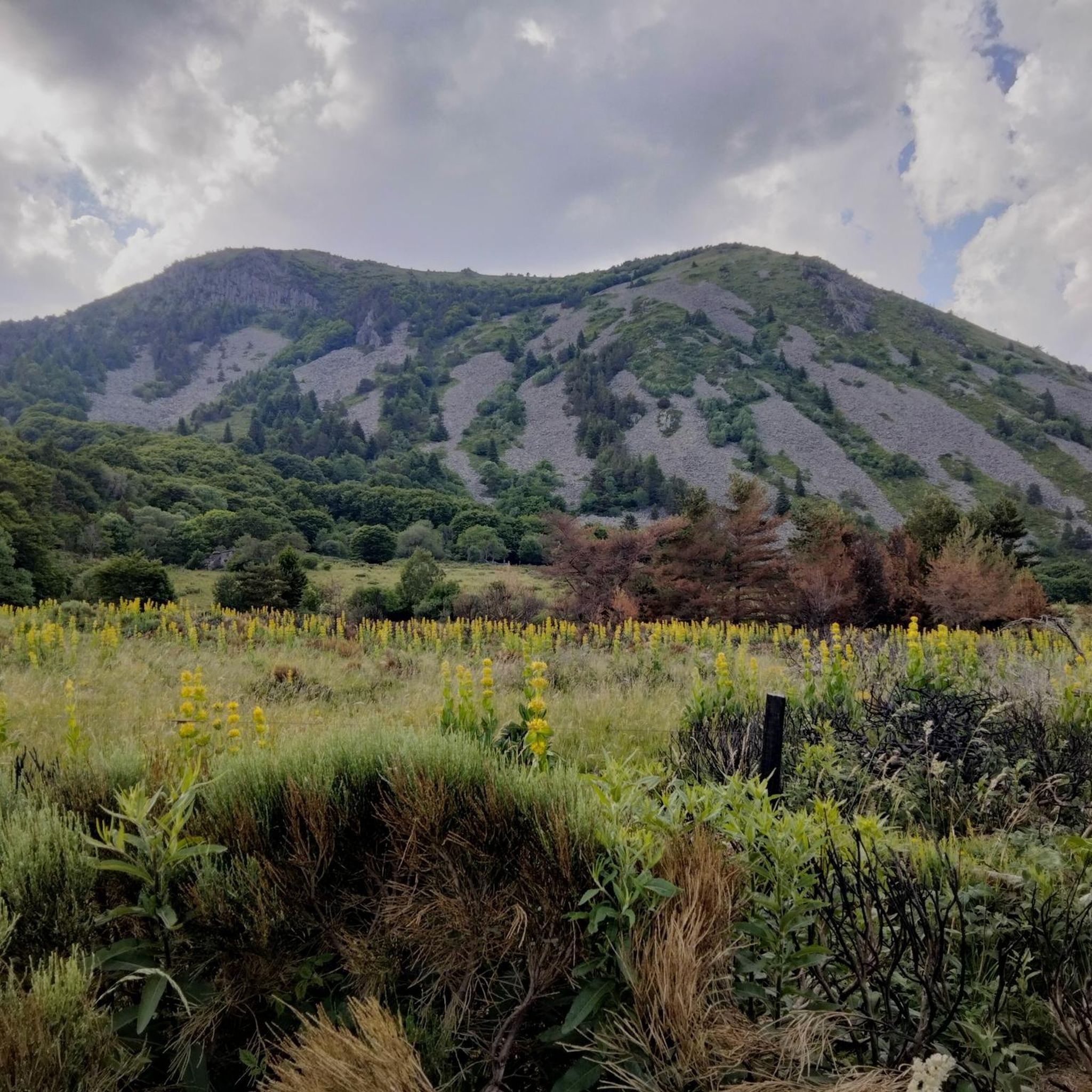
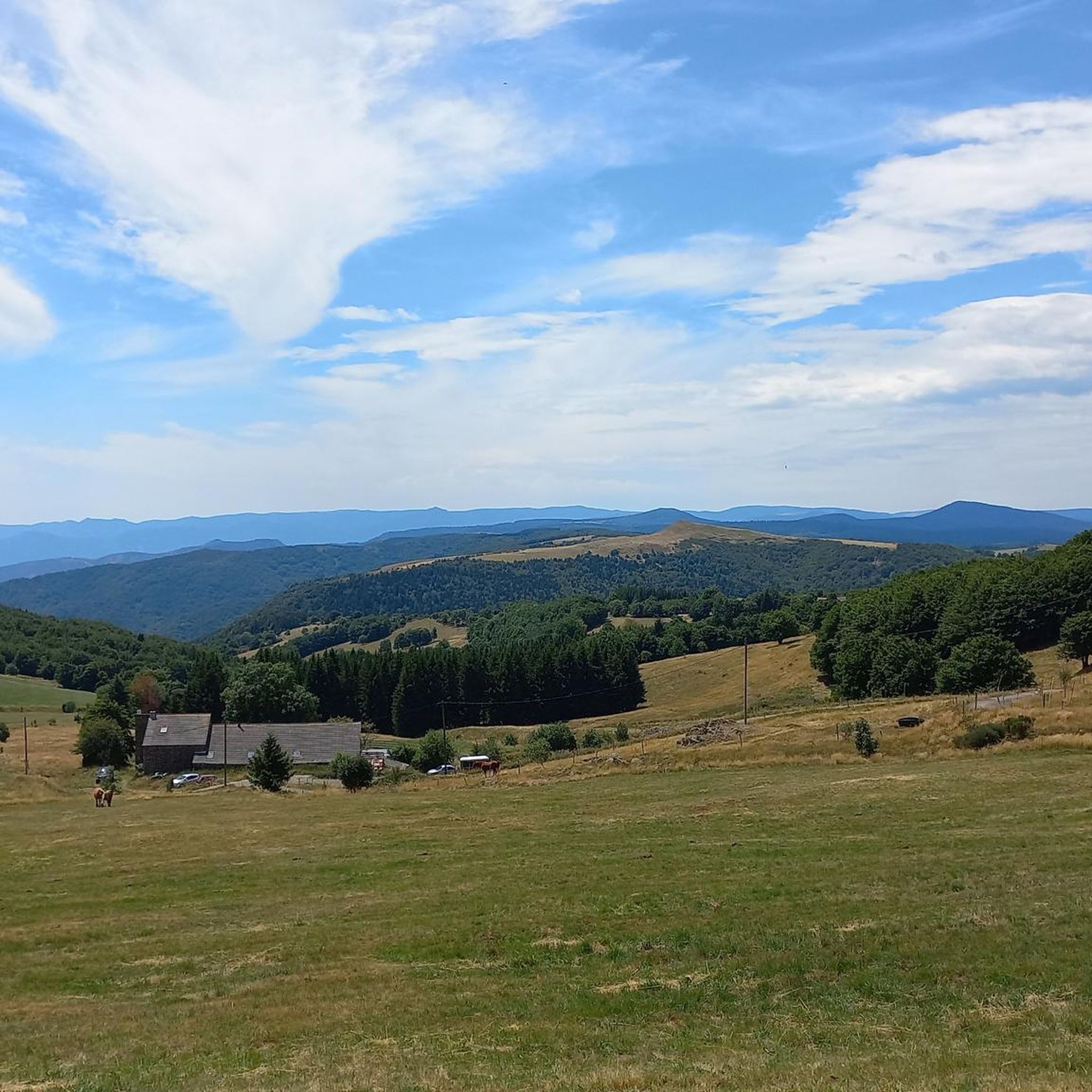
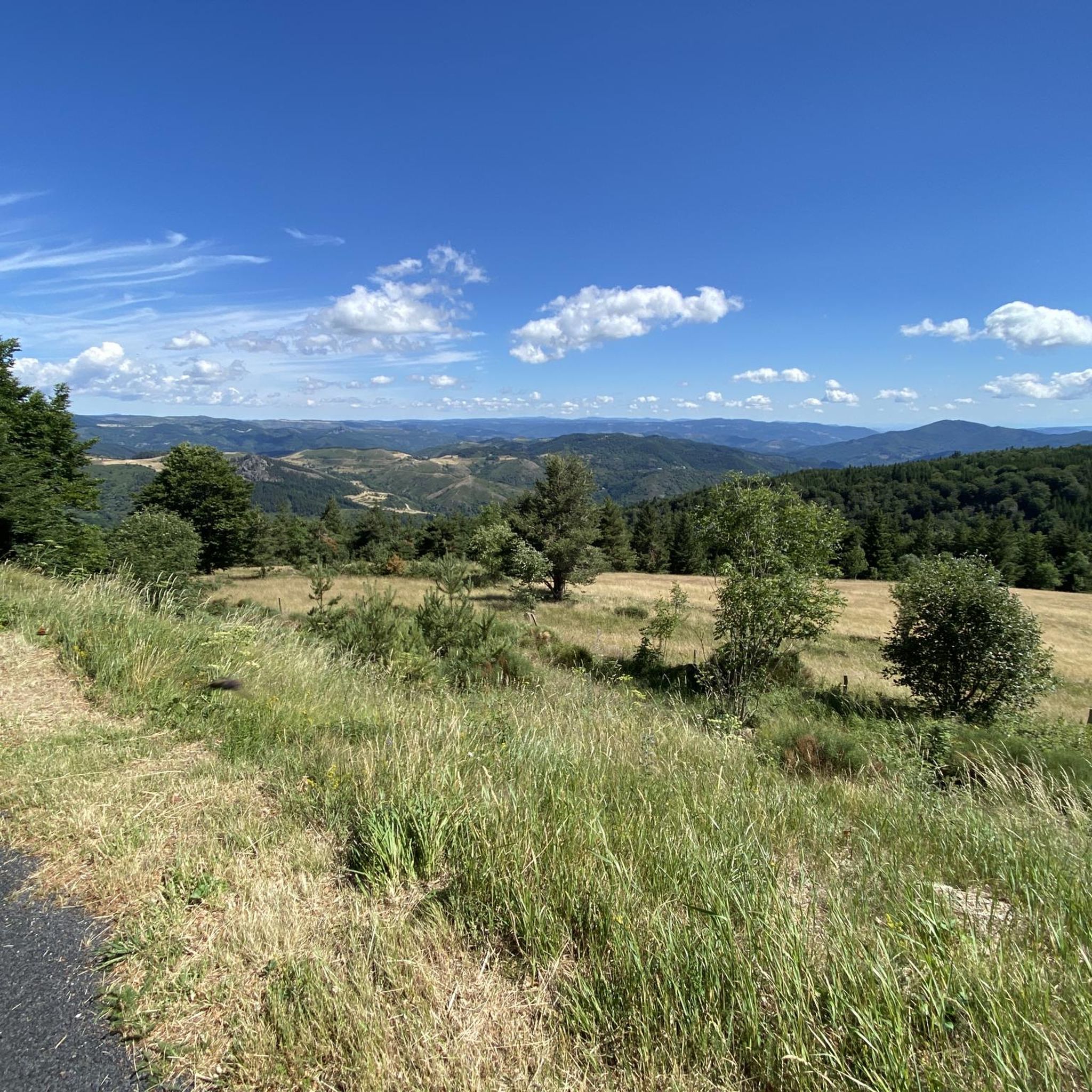
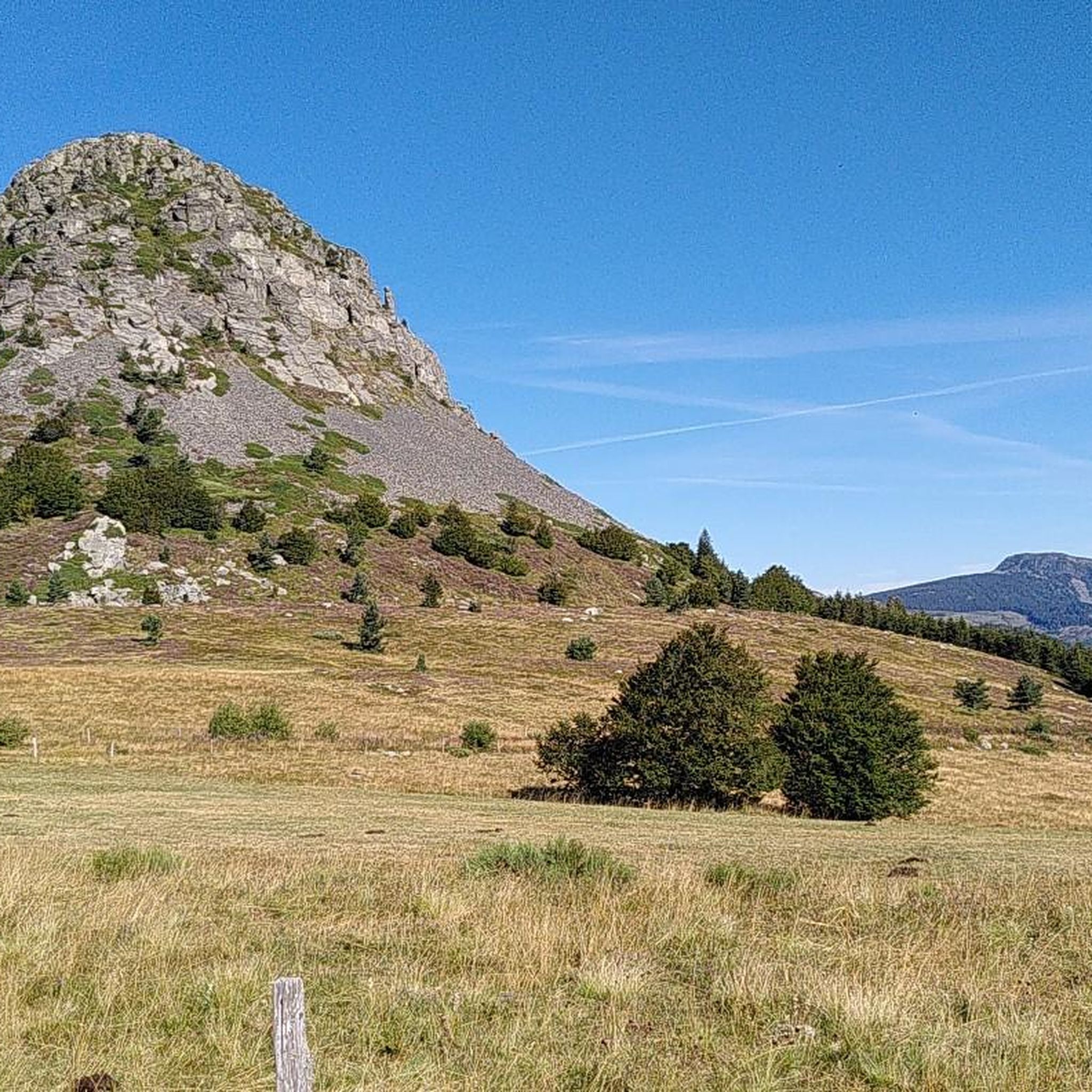
Tips from the Community

Small street, no traffic
0
0
Anyone who wants to stop for a bite to eat should stop here. There are few alternatives. A Grand Café Creme and a generous sandwich for 8 euros.
1
1

More of a symbol than an exceptional site, but a beautiful symbol.
0
0

The Col du Gerbier de Jonc from Saint-Martin-de-Valamas is 22.9 km long with a total drop of 885 m. The average gradient is 3.8% with maximum gradients of 8.3%.
2
0
The Col de Joux, from Le Cheylard is 18.3 km long with an elevation gain of 587 m. The average gradient of the climb is 3.1% with maximum gradients of 10%. This climb should not be confused with the Col de Joux Plane in Savoie.
3
0
The Col de Mézilhac from Le Cheylard is a frequent ascent in the Ardéchoise, a cyclosportive in June. The climb is 22 km long with a total elevation gain of 700 m. The average gradient is 3.18% with maximum gradients of 7.5%.
2
0

Col d'Aizac Departure: Antraigues sur Volane Length: 3.50 km Gradient: 226 m % Average: 6.46% -% Max: 9.0%
3
0
Col de Moucheyres from La Bastide-sur-Bésorgues: 4.4Km at 4.5% average
1
0
Frequently Asked Questions
What kind of terrain and elevation can I expect on the mountain passes around Lachamp-Raphaël?
The mountain passes around Lachamp-Raphaël are characterized by a diverse volcanic landscape, offering varied terrain and elevation. You'll find everything from long, steady climbs to shorter, steeper ascents. The region is known for its "sucs" (volcanic peaks) like Mont Gerbier-de-Jonc and Mont Mézenc, which contribute to dramatic scenery and challenging routes for cyclists and hikers.
Which mountain passes offer the best panoramic views in the region?
For exceptional panoramic views, consider visiting Col de Mézilhac (1,119 m). It provides magnificent vistas of the Ardèche reliefs within the Massif Central. A loop hike from Col de Mézilhac, ascending the Suc de Montivernoux, offers a 360° panorama encompassing the Cévennes, Monts Lozère, and even Mont Ventoux and the Alps on clear days.
Are there any mountain passes that have been featured in professional cycling events?
Yes, the Col de Lachamp, situated directly above Lachamp-Raphaël at 1320 meters, is a recognized mountain pass that has been featured in the Tour de France. Its inclusion in such events highlights its challenging yet rewarding ascent, popular with cyclists.
What outdoor activities can I do near the mountain passes around Lachamp-Raphaël?
The region around Lachamp-Raphaël is excellent for various outdoor activities. You can enjoy road cycling on routes like the Lachamp-Raphaël – Col de Mézilhac (1,119 m) loop, or explore challenging MTB trails. Hiking is also very popular, with options ranging from easy walks to difficult ascents. For more details on routes, check out the Road Cycling Routes, MTB Trails, and Hiking around Lachamp-Raphaël guides.
Which mountain passes are known for scenic, less-trafficked routes?
Col de Moucheyres (858 m) is part of a picturesque road that gradually climbs through chestnut trees, offering scenic views overlooking the Besorgues river. It's known for being a small street with little traffic, making it an excellent option for those who prefer peaceful, natural settings for cycling or driving.
Are there any specific tips for cycling the mountain passes in this area?
When cycling, be aware that passes like Col de Mézilhac (1,119 m) can involve climbs of 22 km with significant elevation gain. Col de Joux, from Le Cheylard, is 18.3 km long with an elevation gain of 587 m. Always check the average and maximum gradients, which can reach up to 10% on some sections. Consider the Ardéchoise cyclosportive in June for a challenging experience.
What are the difficulty levels for hiking around Lachamp-Raphaël's mountain passes?
Hiking difficulty levels vary significantly. You can find easy walks, such as the Ray Pic waterfall loops, to more challenging routes like the Mount Gerbier de Jonc loop, which is considered difficult. Many trails offer moderate challenges, such as the Rocher de Cheylard loop. The volcanic landscape provides diverse options for all skill levels.
What is the best time to visit the mountain passes around Lachamp-Raphaël?
The region is generally best visited during the warmer months for cycling and hiking, typically from late spring to early autumn. This avoids the winter conditions that can make high-altitude passes challenging or inaccessible. The Ardéchoise cyclosportive, for example, takes place in June, indicating favorable conditions during that period.
Are there any places to stop for food or drink near the mountain passes?
Yes, for example, near Col de Mézilhac (1,119 m), there are options to stop for a bite to eat. Visitors have noted that alternatives can be few, so planning your stops, especially for a Grand Café Creme and a generous sandwich, is advisable.
What makes the <a href="https://www.komoot.com/highlight/3508646" target="_blank" rel="noopener">Col d'Aizac</a> notable for cyclists?
The Col d'Aizac is notable for its consistent challenge. It features a 3.50 km climb with an average gradient of 6.46% and a maximum gradient of 9.0%. This makes it a rewarding ascent for cyclists looking for a focused and strenuous effort.
Can I find any natural monuments or viewpoints along the trails near these passes?
Absolutely. Many trails and passes offer stunning viewpoints. For instance, the Scenic Descent in Parc Naturel Régional des Monts d'Ardèche is described as having superb viewpoints. The region's volcanic peaks, or "sucs," also provide natural monuments and elevated perspectives, showcasing the wild, untouched landscapes and rich flora and fauna.
Most popular routes around Lachamp-Raphaël
Most popular attractions around Lachamp-Raphaël

Get inspired with the komoot mobile app


Explore more
See even more epic mountain passes by checking out these guides around Lachamp-Raphaël:
