Attractions and Places To See around Caurel - Top 20
Best attractions and places to see around Caurel, located in the Marne department of the Grand-Est region, are primarily found in the nearby city of Reims. This area offers a blend of historical sites, architectural monuments, and green spaces. Visitors can explore significant landmarks and enjoy outdoor activities within a short distance from Caurel. The region is characterized by its rich history and cultural heritage.
Best attractions and places to see around Caurel
- The most popular attractions is Place Royale…
Last updated: October 9, 2026
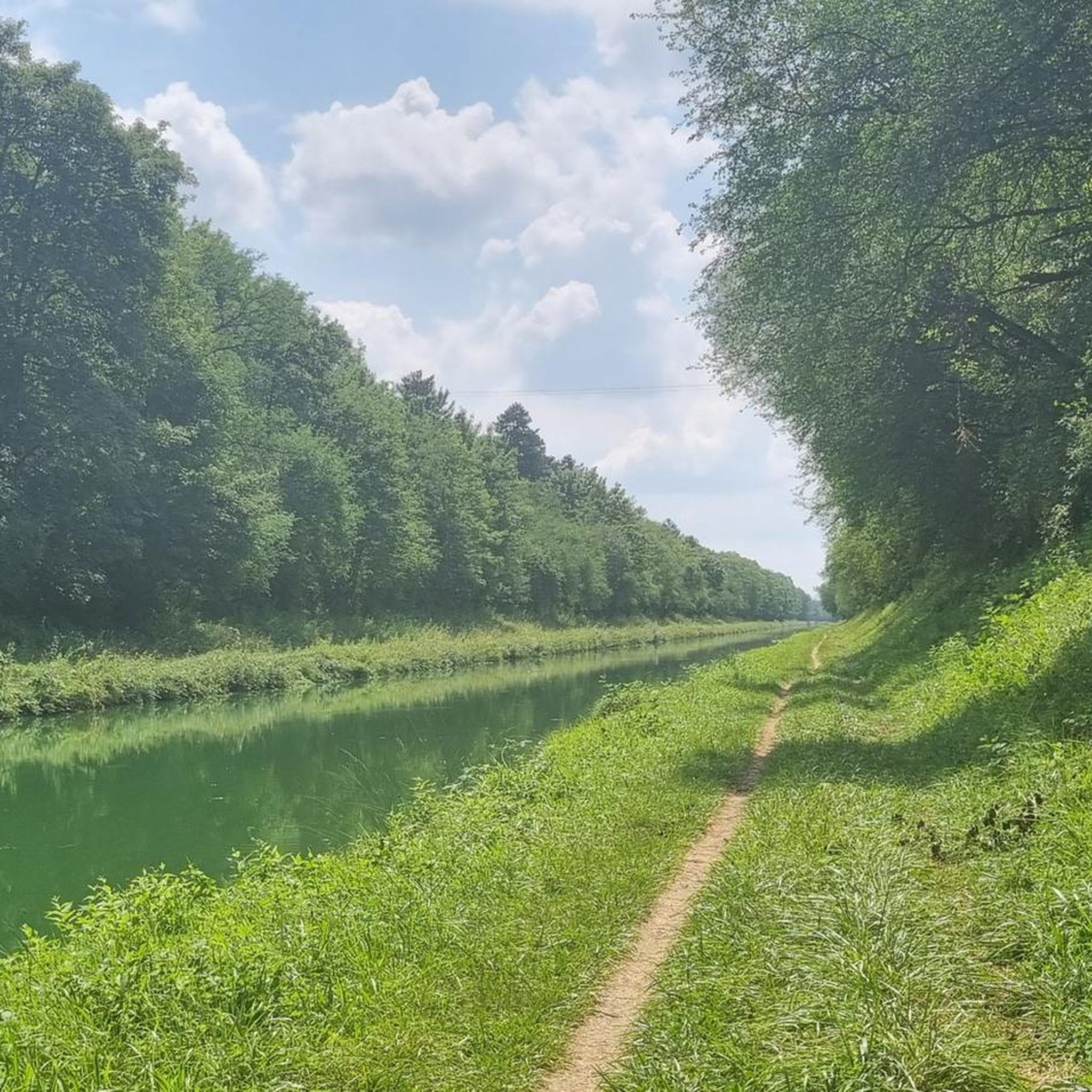
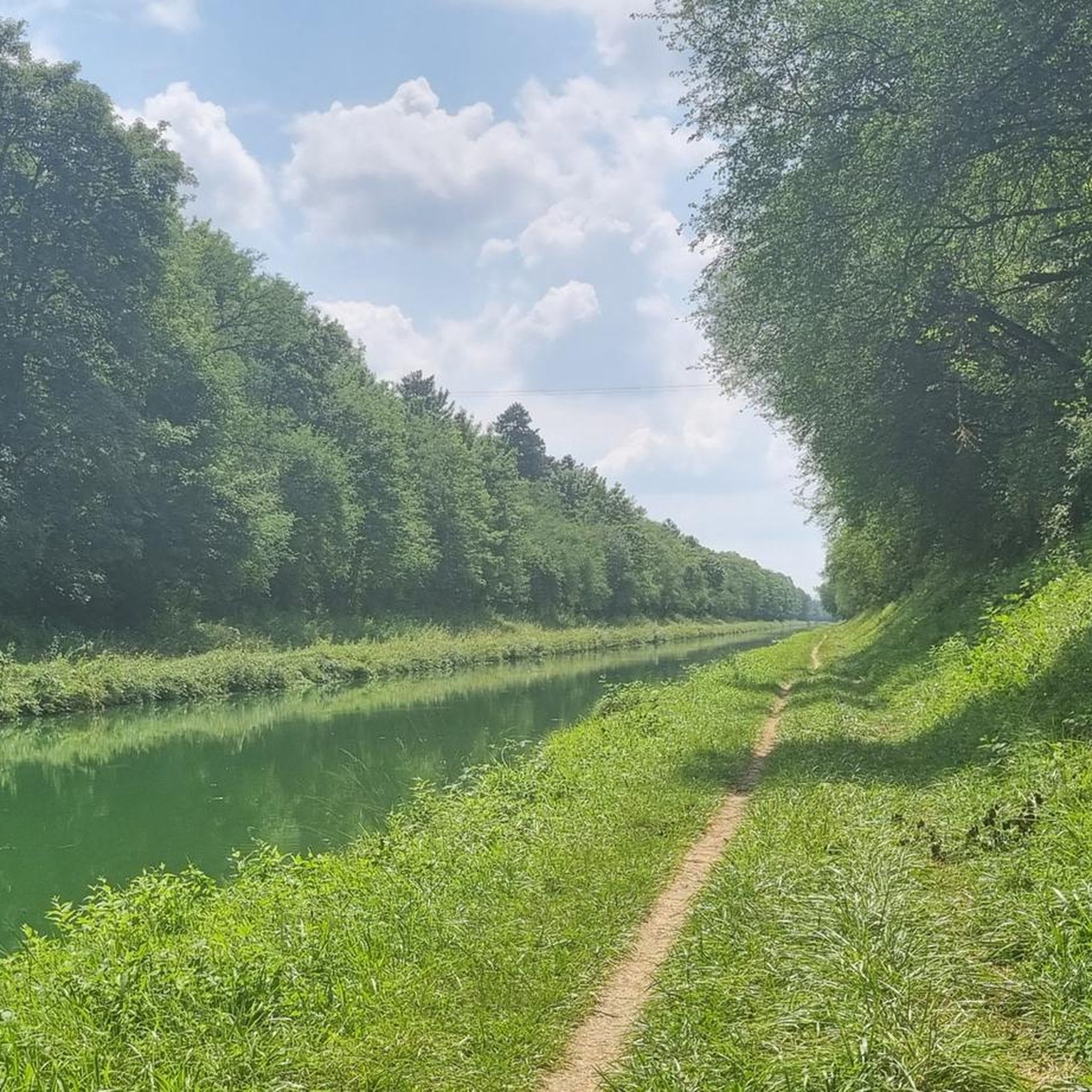
Coulée Verte de Reims
Highlight • Trail
Translated by Google •
Tip by

Place Royale (Reims)
Highlight • Monument
Translated by Google •
Tip by

Sign up now to discover places like this
Get recommendations on the best single tracks, peaks, & plenty of other exciting outdoor places.
Subé fountain
Highlight • Monument
Translated by Google •
Tip by
Mars Gate
Highlight • Historical Site
Translated by Google •
Tip by
Solidarity Fountain
Highlight • Other
Translated by Google •
Tip by

Sign up for free to discover even more attractions around Caurel.
Already have an account?
Start today with a free account
Your next adventure awaits.



Tips from the Community

The cycle path offers the possibility to park outside and cycle into the city in a relaxed manner.
0
0

Under the central arch is a calendar depicting the activities and tasks of agriculture and viticulture: grape pressing, harvesting, etc. A calendar can be seen here through the carved reliefs. Under the eastern arch, we can see a she-wolf suckling Romulus and Remus. According to legend, it was Remus who founded Reims. Finally, under the western arch, we can see Leda being seduced by Jupiter.
1
0
This ancient monument is one of the longest in the Roman world: it is approximately 32 meters long and 12 meters high! The Mars Gate was built towards the end of the 2nd century and is the only one of the four monumental arches providing access to the city of Durocortorum that has survived. It consists of three arcades. The central arch carried the city's major north-south axis, intended for the passage of carriages. The two side arcades were used by pedestrians.
1
0

Place Drouet d'Erlon, with its two fountains, is a vibrant and integral part of the city's social and cultural fabric. It serves as a central meeting place for residents and visitors and offers a lively mix of shops, cafés, and restaurants.
2
0

The monument survived destruction because it was walled up inside the Archbishop's castle in the 13th century, which inadvertently preserved it for future generations.
3
1
The Porte de Mars is a 3rd-century Roman monument in Reims, France, representing the widest arch in the entire Roman world at 33 meters long and 13 meters high. Originally built as one of four monumental arches at the cardinal entrances to ancient Durocortorum, it's the only surviving example of these grand structures. The arch features three decorated archways with intricate relief carvings, including scenes of Romulus and Remus with the she-wolf, agricultural calendars showing Gallic harvesters, and mythological figures like Leda and Zeus.
3
1
The square sits on the site of the ancient Roman forum of Durocorturum and follows the original Roman street layout with the main axes (Cardo and Decumanus). The architect Jean-Gabriel Legendre was married to the sister of Sophie Volland, who was the famous correspondent of philosopher Denis Diderot.
4
1
a historic square in central Reims that was built in the 18th century after demolishing a maze of narrow medieval streets that were so cramped that Queen Marie Leszczyńska couldn't pass through with her carriage. The square was designed by architect Jean-Gabriel Legendre and features orderly architecture typical of royal squares, with a central monument that originally honored Louis XV but was replaced after the French Revolution. Construction began in 1758 and cost 620k livres, significantly more than originally budgeted, and the square remained incomplete until 1910.
4
1
Frequently Asked Questions
What historical sites can I explore near Caurel?
Near Caurel, you can delve into history at several significant sites in Reims. Don't miss the Mars Gate, a triumphal arch dating from after the 3rd century, built in honor of Emperor Augustus and recently renovated. Another notable historical landmark is the Place Royale (Reims), a grand square formed in the mid-18th century. The Reims Opera, built in 1873, also offers a glimpse into the region's architectural heritage.
Are there any family-friendly attractions around Caurel?
Yes, there are several family-friendly options. The Coulée Verte de Reims is a green corridor stretching 24 kilometers along the canal and River Vesle, perfect for walking, cycling, or jogging with the family. The Subé fountain in Reims is also considered family-friendly and is a beautiful landmark to visit.
What outdoor activities can I do near Caurel?
The area around Caurel offers a variety of outdoor activities. You can explore numerous trails for hiking, cycling, and mountain biking. For hiking, consider routes like 'Hiking loop from Berru' or 'Conio loop from Witry-lès-Reims' which range from easy to moderate. Find more details on hiking around Caurel. Cyclists can enjoy routes such as 'A walk in the woods. loop from Witry-lès-Reims' or 'Cycling Path Along the Suippe', with options from easy to difficult, available on cycling around Caurel. Mountain bikers have trails like 'Communication Tower – Berru sandpit loop' to explore, detailed in the MTB Trails around Caurel guide.
Are there any accessible attractions for visitors with mobility needs?
Yes, several attractions in Reims are wheelchair accessible. Both the Place Royale (Reims) and the Mars Gate are noted for their accessibility. Additionally, the Subé fountain is also wheelchair friendly, allowing a wider range of visitors to enjoy these landmarks.
What natural features or green spaces are there to visit?
The most prominent green space is the Coulée Verte de Reims. This beautiful green strip stretches for about 24 kilometers along the banks of the canal and the River Vesle, offering a non-urbanized space for relaxation and sporting activities like walking, cycling, and jogging.
What are some notable architectural monuments in the area?
The area boasts several impressive architectural monuments. The Place Royale (Reims), with its grand design honoring Louis XV, is a significant example. The Mars Gate, a Roman triumphal arch, showcases ancient architecture. The Subé fountain is a monumental fountain in the center of Reims, and the Reims Opera, with its neoclassical exterior and Art Deco interior, is another architectural highlight.
Are there dog-friendly places to visit near Caurel?
Yes, the Subé fountain in Reims is a dog-friendly landmark. You can enjoy a stroll around this monumental fountain with your canine companion. Additionally, many of the outdoor trails, such as those along the Coulée Verte de Reims, are generally suitable for walks with dogs, though leash rules should always be observed.
What do visitors enjoy most about the attractions around Caurel?
Visitors particularly appreciate the blend of historical significance and opportunities for outdoor recreation. The Coulée Verte de Reims is praised as a beautiful green strip for relaxation and sports. The historical sites like the Place Royale (Reims) and Mars Gate are valued for their rich history and impressive architecture. The overall appeal lies in the ability to explore ancient monuments and enjoy nature within close proximity to Caurel.
How long should I plan for visiting the main attractions in Reims?
To fully appreciate the main attractions in Reims, such as the Place Royale, Mars Gate, and the Reims Opera, you could easily spend a full day or more. If you also plan to enjoy activities along the Coulée Verte or explore other parts of Reims, a weekend trip would allow for a more relaxed and comprehensive experience.
Are there any unique local landmarks or hidden gems?
While not a hidden gem in the traditional sense, the Subé fountain on Place Drouet-d'Erlon in Reims is a unique monumental fountain. Designed in 1906, it features statues symbolizing local rivers and is topped by a bronze winged Victory, making it a distinctive landmark at the beginning of the pedestrian zone.
What other towns or cities are worth visiting near Caurel?
Caurel is conveniently located near several attractive cities. Reims, just 10 km away, is a lively city with three UNESCO-listed sites including its famous Cathedral. Epernay, about 33 km distant, is renowned for its grand wine houses and vineyards. Châlons-en-Champagne, approximately 42 km from Caurel, is known for its various churches, and L'Epine features the beautiful Basilica of Notre-Dame.

Get inspired with the komoot mobile app


Explore more
Still not found the Highlight you’re looking for? See guides of the top attractions in other regions:
