Attractions and Places To See around Gincla - Top 20
Best attractions and places to see around Gincla include a variety of natural and historical sites. Located in the Aude department of southern France, Gincla offers a tranquil setting near the Pyrenees mountains, the Boulzane river, and the Boucheville forest. The area is known for its quiet atmosphere, making it suitable for trekking and exploring historic Cathar castles. Traces of Gincla's metallurgical past, including visible forges, can also be found within the village.
Best attractions and places to see around…
Last updated: October 10, 2026
Saint Louis Pass
Highlight • Mountain Pass
Departure to Caudies a dream.
More information: quaeldich.de/paesse/col-de-saint-louis
Translated by Google •
Tip by

Mosset — Listed Village
Highlight • Settlement
Translated by Google •
Tip by

Sign up now to discover places like this
Get recommendations on the best single tracks, peaks, & plenty of other exciting outdoor places.
Ascent to Puilaurens Castle
Highlight • Castle
Showing Translation
Tip by

Col de Jau
Highlight • Mountain Pass
Translated by Google •
Tip by

Gorges de Saint-Georges
Highlight (Segment) • Gorge
Translated by Google •
Tip by

Sign up for free to discover even more attractions around Gincla.
Already have an account?
Start today with a free account
Your next adventure awaits.

Tips from the Community

The ascent to Puilaurens castle is a climb leading to a famous Cathar castle in the Aude, perched on a rocky spur of the Mont Ardu at an altitude of 697 meters. The trail, steep and root-strewn, winds through a shady pine forest before ending with an old stone path and an impressive system of zigzagging switchbacks. From the ramparts of this well-preserved royal fortress, one of the "Five Sons of Carcassonne", the panoramic view encompasses the Boulzane valley and the distant Pyrenees.
0
0

Very nice small village, which once had significantly more inhabitants.
1
0

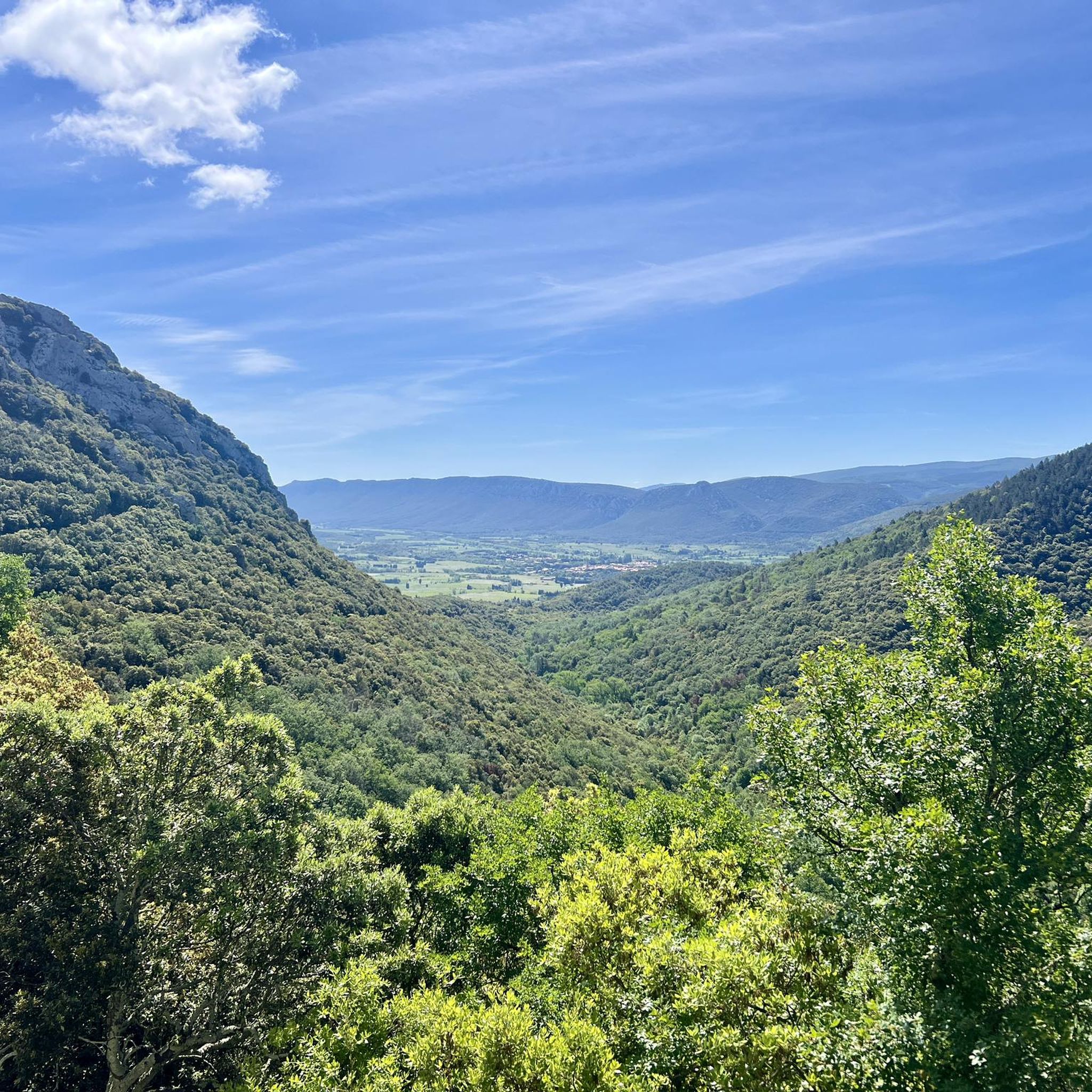
Pass on the border between Aude and the Pyrénées Orientales
0
0

Beautiful village, worth a stop
1
0

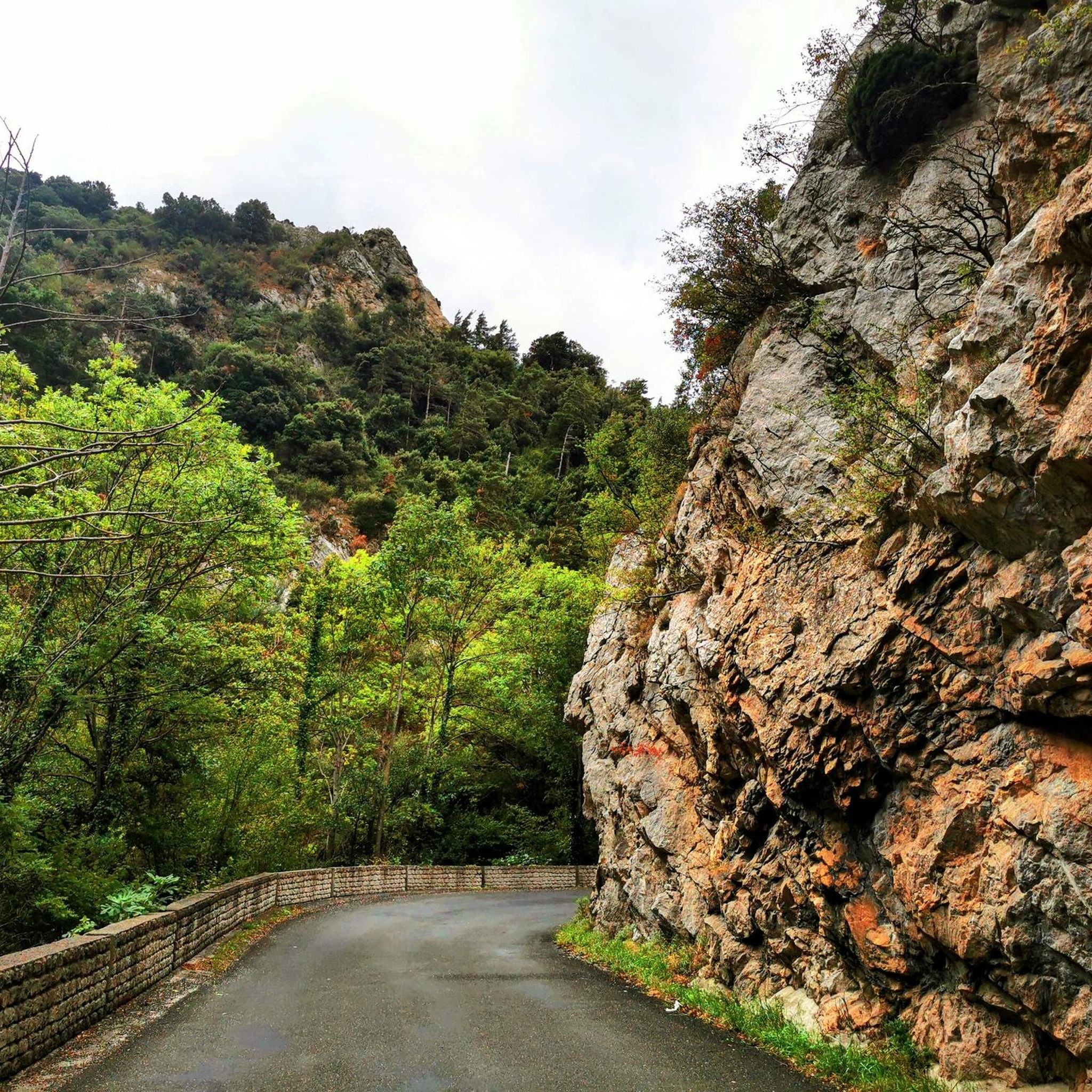
Superb passage in the hollow of the gorges. You follow a refreshing watercourse which winds its way between impressive rock walls.
0
0

Mosset is a village perched on a rocky spur at more than 600 m which dominates the Castellane Valley. In this superb village, everything bears the mark of time. Because Mosset was for a long time a border marker between France and Catalonia, hence its fortifications. The road offers a spectacular view when arriving from Prades. The city experienced economic and demographic development thanks to its immense forests which provided the energy necessary for processing iron ore from the Canigou peak. The population thus rose to 1,350 inhabitants in the middle of the 19th century. There are now only a little more than 300 left. The ramparts, towers and curtain walls of the old castle which still remain, the Capelleta, an old restored chapel, the small streets, the “portals” and even the fountains of The spring water bears witness to this historical past. We will also note the St Julien church, with this tree perched at the top of its bell tower, which seems to stand guard over the surroundings of the village.
1
0

The climb is definitely worth it
0
0

climb largely achievable. on the other hand, you have to pay to get to the castle. arrival at the summit beautiful 360 view.
0
0
Frequently Asked Questions
What natural wonders can I explore near Gincla?
The region around Gincla is rich in natural beauty. You can discover dramatic canyons like Gorges de Saint-Georges, known for its impressive rock walls and refreshing watercourse, and Gorges du Rébenty, which winds through a canyon separating the Sault plateau. Other notable gorges include Gorges de la Pierre-Lys and Gorges de Galamus. The area also features the vast Forest of Boucheville, the Boulzane river, and unique rock formations like the Orgues d'Ille-sur-Tet.
Are there historical sites or castles to visit around Gincla?
Yes, Gincla is nestled in a region with a rich history, particularly known for its Cathar castles. Just 5 km away is Château de Puilaurens, a significant historical site. Further afield, you can explore the impressive Château de Peyrepertuse and Château de Queribus. The fortified towns of Villefranche-de-Conflent and Mont-Louis showcase excellent examples of Vauban's military architecture. Within Gincla itself, you can find traces of its historical metallurgical past, including visible forges.
What kind of outdoor activities are available in the Gincla area?
Gincla is an excellent base for various outdoor activities. You can enjoy medium-altitude trekking in the surrounding mountains and the Forest of Boucheville. The nearby upper Aude valley offers adventurous activities like rafting and kayaking. For fishing enthusiasts, the Boulzane river, which flows through the village, is popular for sportive trout fishing. Cycling is also very popular, with many scenic routes available.
Are there any charming villages worth visiting nearby?
Absolutely. Several picturesque villages, recognized for their charm and historical character, are within easy reach. Mosset — Listed Village, perched on a rocky spur, is notable for its historical fortifications and ramparts. Other beautiful villages include Eus and Villefranche-de-Conflent, all recognized as 'Most Beautiful Villages in France'.
What are the best places for cycling near Gincla?
The Gincla area offers fantastic cycling opportunities, especially for those who enjoy climbs and scenic routes. Popular mountain passes include Saint Louis Pass, offering fantastic views over the Boulzan valley, and Col de Jau, known for its beautiful trees and excellent views. You can find many cycling routes, including challenging ones through the gorges, by exploring the Cycling around Gincla guide.
Are there good running trails around Gincla?
Yes, there are several running trails in the vicinity of Gincla, catering to various difficulty levels. You can find routes like the 'Castle St. Pierre – Trail 9 loop' or the 'Gorges of Saint-Jaume – View of Château de Fenouillet loop'. For a comprehensive list and details on distances and difficulty, check out the Running Trails around Gincla guide.
What unique natural formations can I see in the region?
Beyond the impressive gorges, the region is home to the unique Orgues d'Ille-sur-Tet, captivating rock formations that resemble organ pipes. The majestic Pic du Canigou, a prominent peak in the Pyrenees, also dominates the landscape and offers significant natural beauty.
What is Gincla's historical significance?
Gincla's history is closely tied to the Cathar castles of the region, particularly Château de Puilaurens. The village itself also has a notable metallurgical past, with visible forges still present, reflecting its industrial heritage. Its location as a border marker in earlier times also contributed to its historical fortifications.
Are there any religious sites of interest nearby?
The area around Gincla features several significant religious monuments. These include the Eglise de Sainte Marie de Marcevol, Abbaye Saint Michel de Cuixa, and Abbaye Saint Martin du Canigou. These sites offer insights into the region's spiritual and architectural heritage.
What do visitors enjoy the most about the attractions around Gincla?
Visitors particularly appreciate the stunning natural scenery and the tranquility of the area. For instance, the Gorges de Saint-Georges is praised for its 'superb passage' and 'impressive rock walls'. Cyclists enjoy the challenging climbs and 'fantastic views' from passes like Saint Louis Pass. The charm and historical character of villages like Mosset — Listed Village are also highly rated.
Can I find family-friendly activities around Gincla?
While specific 'family-friendly' categories aren't listed for all attractions, many natural sites and charming villages offer enjoyable experiences for families. Exploring the less strenuous sections of the Forest of Boucheville, visiting the picturesque villages, or enjoying a picnic by the Boulzane river can be great family outings. The unique rock formations of Orgues d'Ille-sur-Tet could also be an engaging visit for children.
What are the best options for hiking and walking near Gincla?
Gincla is an ideal starting point for medium-altitude trekking and leisurely walks. The edge of the Boucheville forest offers numerous opportunities for connecting with nature. While specific hiking routes are detailed in dedicated guides, the scenic beauty of the gorges and mountain passes provides a stunning backdrop for any walk. For detailed routes, refer to the Running Trails around Gincla guide, which often includes walking-friendly paths.
Most popular routes around Gincla
Most popular attractions around Gincla

Get inspired with the komoot mobile app


Explore more
Still not found the Highlight you’re looking for? See guides of the top attractions in other regions:
