Attractions and Places To See around Trigny - Top 20
Best attractions and places to see around Trigny include a blend of local historical sites, natural beauty, and access to the cultural landmarks of nearby Reims. Trigny is a charming wine-growing village in the Marne department of France, offering insights into local viticulture. The area features marked walking paths through vineyards and forests, alongside historical elements within the village itself. Its proximity to Reims, approximately 11-13 km away, provides easy access to significant cultural and historical attractions.
Best attractions and…
Last updated: October 5, 2026
Subé fountain
Highlight • Monument
Translated by Google •
Tip by

Mars Gate
Highlight • Historical Site
Translated by Google •
Tip by
Sign up now to discover places like this
Get recommendations on the best single tracks, peaks, & plenty of other exciting outdoor places.
Solidarity Fountain
Highlight • Other
Translated by Google •
Tip by

Equestrian Statue of Joan of Arc
Highlight • Monument
Translated by Google •
Tip by

Reims
Highlight • Settlement
Translated by Google •
Tip by

Sign up for free to discover even more attractions around Trigny.
Already have an account?
Start today with a free account
Your next adventure awaits.



Tips from the Community

Under the central arch is a calendar depicting the activities and tasks of agriculture and viticulture: grape pressing, harvesting, etc. A calendar can be seen here through the carved reliefs. Under the eastern arch, we can see a she-wolf suckling Romulus and Remus. According to legend, it was Remus who founded Reims. Finally, under the western arch, we can see Leda being seduced by Jupiter.
1
0
This ancient monument is one of the longest in the Roman world: it is approximately 32 meters long and 12 meters high! The Mars Gate was built towards the end of the 2nd century and is the only one of the four monumental arches providing access to the city of Durocortorum that has survived. It consists of three arcades. The central arch carried the city's major north-south axis, intended for the passage of carriages. The two side arcades were used by pedestrians.
1
0

Place Drouet d'Erlon, with its two fountains, is a vibrant and integral part of the city's social and cultural fabric. It serves as a central meeting place for residents and visitors and offers a lively mix of shops, cafés, and restaurants.
2
0

The monument survived destruction because it was walled up inside the Archbishop's castle in the 13th century, which inadvertently preserved it for future generations.
3
1
The Porte de Mars is a 3rd-century Roman monument in Reims, France, representing the widest arch in the entire Roman world at 33 meters long and 13 meters high. Originally built as one of four monumental arches at the cardinal entrances to ancient Durocortorum, it's the only surviving example of these grand structures. The arch features three decorated archways with intricate relief carvings, including scenes of Romulus and Remus with the she-wolf, agricultural calendars showing Gallic harvesters, and mythological figures like Leda and Zeus.
3
1
From its inauguration, residents criticized the fountain's weak water flow of only 12 liters per second, and the nude naiads representing the rivers caused public controversy. During World War II, German occupiers removed the bronze statue, but remarkably the fountain remained intact despite 60% of Reims being destroyed during the war.
4
3
The Subé Fountain stands in Place Drouet-d'Erlon in central Reims, funded by local benefactor Auguste Subé's donation of 200000 gold francs and inaugurated on July 15, 1906. The 17-meter tall column, made from Corgoloin and Chassignelles stone and decorated with vine motifs, represents the city of Reims and local industries including commerce, viticulture, industry, and agriculture. At its base, four naiads symbolize the rivers Suippe, Marne, Vesle, and Aisne that flow through the Marne department, while a golden Victory statue crowns the top.
4
2
The fountain's naming in 1983 connected this French landmark to the Polish Solidarity movement that was gaining international attention during that period.
4
1
Frequently Asked Questions
What historical attractions can I explore in and around Trigny?
Trigny itself features old ramparts, a carefully renovated church with paintings by Percival, and a chapel with distinctive painted inner walls. Nearby, in Reims, you can visit the ancient Mars Gate, a Roman triumphal arch, the magnificent Reims Cathedral where French kings were crowned, and the Reims Opera, a historical site built in 1873.
Are there any natural attractions or scenic viewpoints near Trigny?
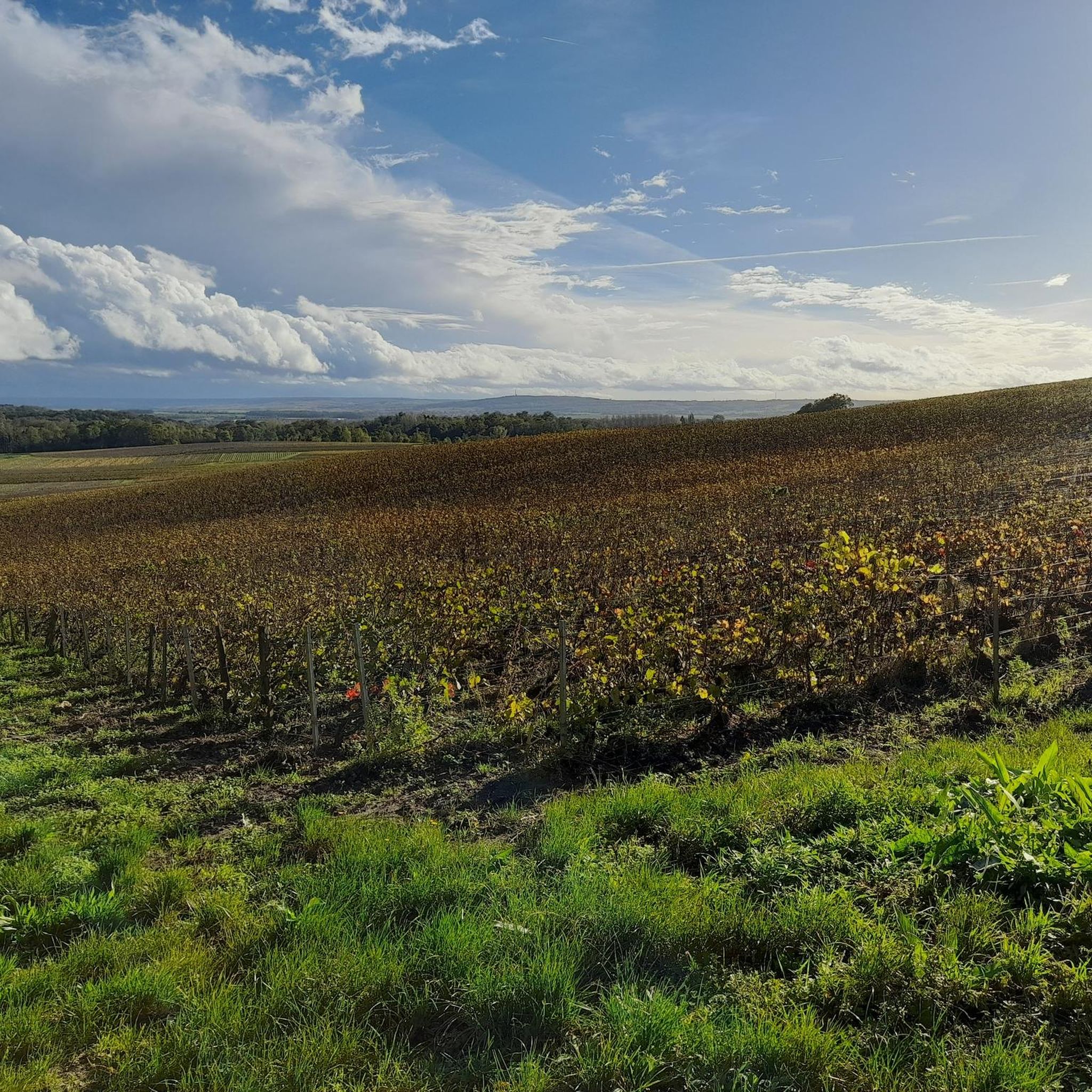
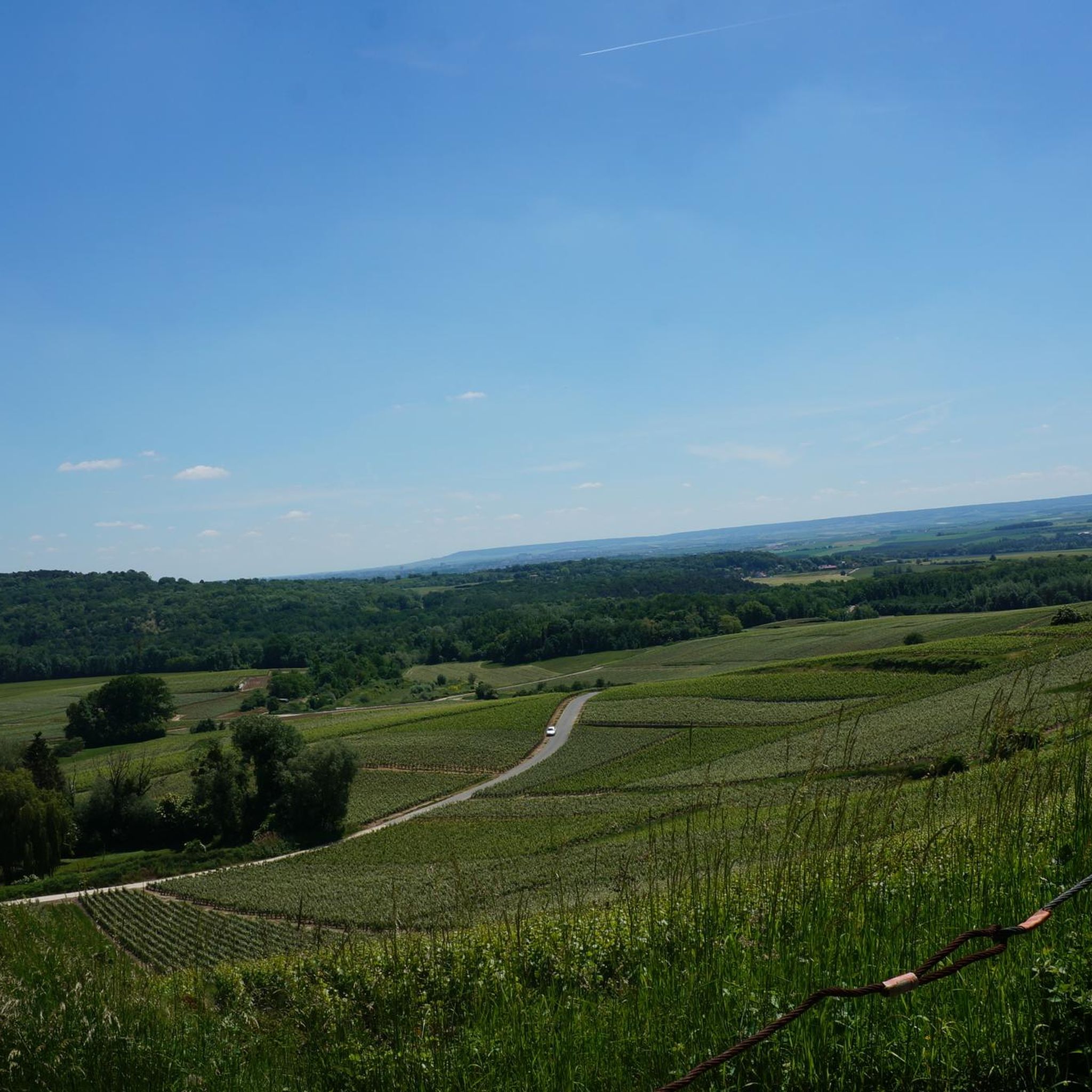
Yes, Trigny is surrounded by three marked walking paths that offer splendid views over the vineyards and the city of Reims in the distance. These paths also lead through a 500-hectare forest. You can also find unique 'faux' or twisted beech trees along these walking tours.
What kind of outdoor activities can I do around Trigny?
The area around Trigny is excellent for outdoor activities. You can find various routes for gravel biking, running, and mountain biking. For example, explore gravel biking trails like the 'Sermiers marked trail' or 'Hardpacked Gravel Path'. Runners can enjoy routes such as the 'Vinyard of the Chenay' or a 'Running loop from Trigny'. Mountain bikers have options like 'Châlons-sur-Vesle Sandpit' or 'Vineyard view loop'. You can find more details on these activities at the Gravel biking around Trigny, Running Trails around Trigny, and MTB Trails around Trigny guide pages.
Are there family-friendly attractions or activities in the Trigny area?
Yes, the Subé fountain in Reims is considered family-friendly. Additionally, the marked walking paths around Trigny through vineyards and forests are suitable for families looking to enjoy nature. The village's historical sites like the old ramparts and renovated church can also be interesting for older children.
What is the best way to experience Trigny's wine-growing heritage?
To best experience Trigny's wine-growing heritage, start at the village's wine cooperative. This large establishment has 187 members and provides insight into local viticulture. The marked walking paths also offer splendid views over the vineyards, allowing you to immerse yourself in the landscape.
How far is Trigny from Reims, and what are the transport options?
Trigny is approximately 11-13 km away from Reims, making the city's attractions easily accessible. While specific public transport routes are not detailed, local bus services typically connect smaller villages to larger towns like Reims. Driving or cycling would also be convenient options given the short distance.
Are there any dog-friendly places or walks around Trigny?
Yes, the Subé fountain in Reims is listed as dog-friendly. The marked walking paths through the vineyards and forest around Trigny are generally suitable for walks with dogs, but always ensure to follow local regulations regarding leashes and waste disposal.
What are some notable monuments or statues to see?
In Reims, you can see the monumental Subé fountain, designed in 1906, featuring statues symbolizing local rivers and topped by a bronze winged Victory. Also, the Equestrian Statue of Joan of Arc on Place Cardinal Luçon commemorates her role in leading Charles VII to his royal anointing in Reims.
What do visitors enjoy most about the attractions around Trigny?
Visitors appreciate the blend of local historical sites and natural beauty in Trigny, along with the easy access to the rich cultural landmarks of nearby Reims. Highlights like the ancient Mars Gate and the vibrant Subé fountain are particularly popular, with many visitors sharing photos and upvotes for these sites.
Are there any wheelchair-accessible attractions?
Yes, both the Mars Gate and the Subé fountain in Reims are listed as wheelchair-accessible, allowing for easier exploration for visitors with mobility needs.
Can I find cafes or restaurants near the walking routes in Trigny?
While Trigny is a small village, it's part of a wine-growing region. You may find local establishments within the village. For a wider selection of cafes, pubs, and restaurants, the nearby city of Reims, particularly around Place Drouet d'Erlon, offers a vibrant social hub with many options.
What is the best time of year to visit Trigny and its surrounding attractions?
Given Trigny's identity as a charming wine-growing village, the spring and autumn months are generally ideal. Spring offers blooming vineyards and pleasant weather for walking, while autumn provides beautiful foliage and the grape harvest season. Summer is also popular for outdoor activities, though it can be warmer.

Get inspired with the komoot mobile app


Explore more
Still not found the Highlight you’re looking for? See guides of the top attractions in other regions:
