Attractions and Places To See around Savonnières-Devant-Bar - Top 18
Attractions and places to see around Savonnières-Devant-Bar offer insights into local history and culture within the Meuse department of France. The area is situated in the Ornain river valley, with historical ties to Bar-le-Duc. Its heritage includes religious landmarks and historical sites, suggesting a past connected to Gallo-Roman activities and significant regional events. Visitors can explore a variety of historical and cultural points of interest.
Best attractions and places to see around Savonnières-Devant-Bar
- The most popular attractions is Saint-Jean Church…
Last updated: June 24, 2026
Saint-Jean Church of Bar-le-Duc
Highlight • Religious Site
Translated by Google •
Tip by

Bar-le-Duc
Highlight • Other
Translated by Google •
Tip by

Sign up now to discover places like this
Get recommendations on the best single tracks, peaks, & plenty of other exciting outdoor places.
Sign up for free
Bar-le-Duc Upper Town Renaissance Quarter
Highlight • Historical Site
Translated by Google •
Tip by

Marbeaumont Castle
Highlight • Other
Translated by Google •
Tip by

Canal de la Marne au Rhin Cycle Path
Highlight (Segment) • Cycleway
Translated by Google •
Tip by

Sign up for free to discover even more attractions around Savonnières-Devant-Bar.
Sign up for free
Already have an account?
Start today with a free account
Your next adventure awaits.
Login or Signup




Tips from the Community

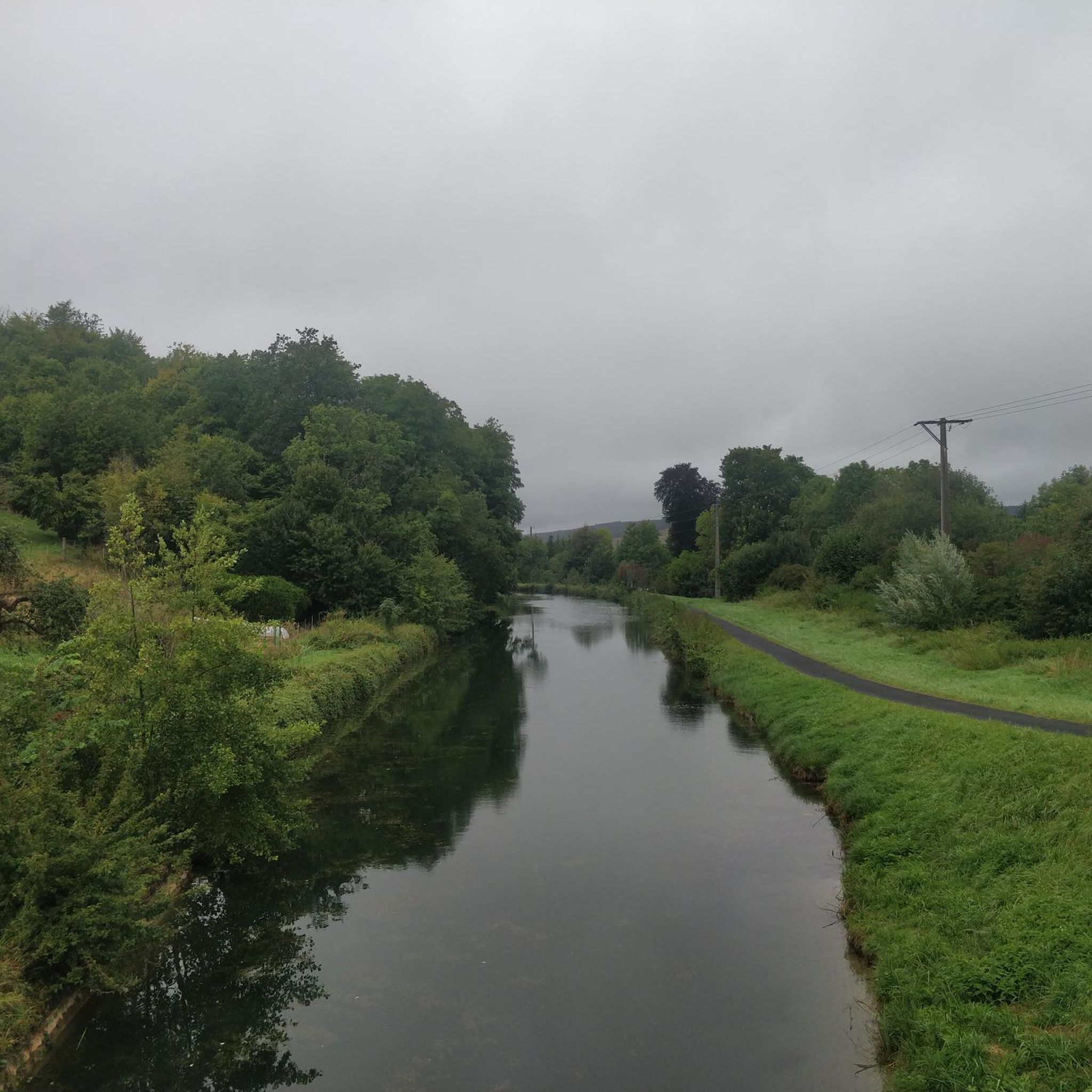
Great and relaxed cycle path along the canal. Great to ride with great places to rest and relax.
1
0
A beautiful church and definitely worth a visit.
1
1

The church of Saint-Jean, in Bar-le-Duc, is a neo-Byzantine style building with references to the neo-Romanesque style. It was built in two phases, between the 19th and 20th centuries. Since the mid-19th century, the parish of Notre-Dame had an "annex" in the Brasseries district. The idea of transforming it into a church came in 1869. The following year the project was entrusted to the architect Charles Demoget. The result, a neo-Gothic building, was controversial and Demoget was removed from office, making way for Ernest Birglin who designed a new building in neo-Byzantine style. But it was only in 1875, after the creation of a fourth parish under the name of Saint-Jean, that construction of the church began. The first phase of the works lasted until 1880, but only the apse, the choir and the transept were erected. In 1933 the architect Royer opened the second phase of work, with the construction of the nave which lasted until 1939. The façade, however, remained partially unfinished.
2
0

What a beautiful old town! Such pretty houses and charming corners. A walk is very worthwhile! But why is there so much empty here?!? Why doesn't anyone want to live here?
1
0

Built from 1903 to 1905 by the Varin-Bernier banking family, the castle, whose exterior architecture and interior decoration mix all styles, represents an example of the historicism and eclecticism in vogue at that time. The building is surrounded by an English-style park.
1
0
Beautiful section of this greenway, which leads to Strasbourg.
4
0

Very nice path along the canal.
4
0
Beautiful castle in Bar-le-Duc
2
0
Frequently Asked Questions
What historical sites can I explore around Savonnières-Devant-Bar?
The area offers a rich historical experience. You can visit the Bar-le-Duc Upper Town Renaissance Quarter, known for its well-preserved architecture and charming streets. Another significant site is the Marbeaumont Castle, an impressive example of early 20th-century architecture. Additionally, the village of Savonnières-Devant-Bar itself has historical elements like the Cross of Heuillon and ties to a Gallo-Roman past.
Are there any notable churches or religious buildings to visit?
Yes, the region features several significant religious buildings. In Bar-le-Duc, you can find the Saint-Jean Church, which showcases a unique neo-Byzantine style with neo-Romanesque elements. Within Savonnières-Devant-Bar, the Saint-Calixte Church is a prominent landmark with origins dating back to the 11th century, recognized as a historical monument.
What outdoor activities can I do near Savonnières-Devant-Bar?
The area around Savonnières-Devant-Bar is excellent for various outdoor activities. You can find numerous routes for running, gravel biking, and road cycling. For running, explore trails like "The Ornain – Bar-le-Duc loop" or "Marbeaumont Castle – The Ornain loop." Gravel biking options include routes such as "Church of Saint Stephen – Marbeaumont Castle loop." For road cycling, consider the "Bridge With View of the Ornain – Marbeaumont Castle loop." You can find more details on these activities and routes on the respective guides: Running Trails, Gravel Biking, and Road Cycling Routes.
Are there family-friendly attractions around Savonnières-Devant-Bar?
Many of the historical sites, such as the Bar-le-Duc Upper Town Renaissance Quarter and the Saint-Jean Church, are suitable for families to explore. Additionally, local events like the Feast of Saint-Calixte in October often include fairground attractions for children, providing a fun experience for younger visitors.
What natural features can I see in the area?
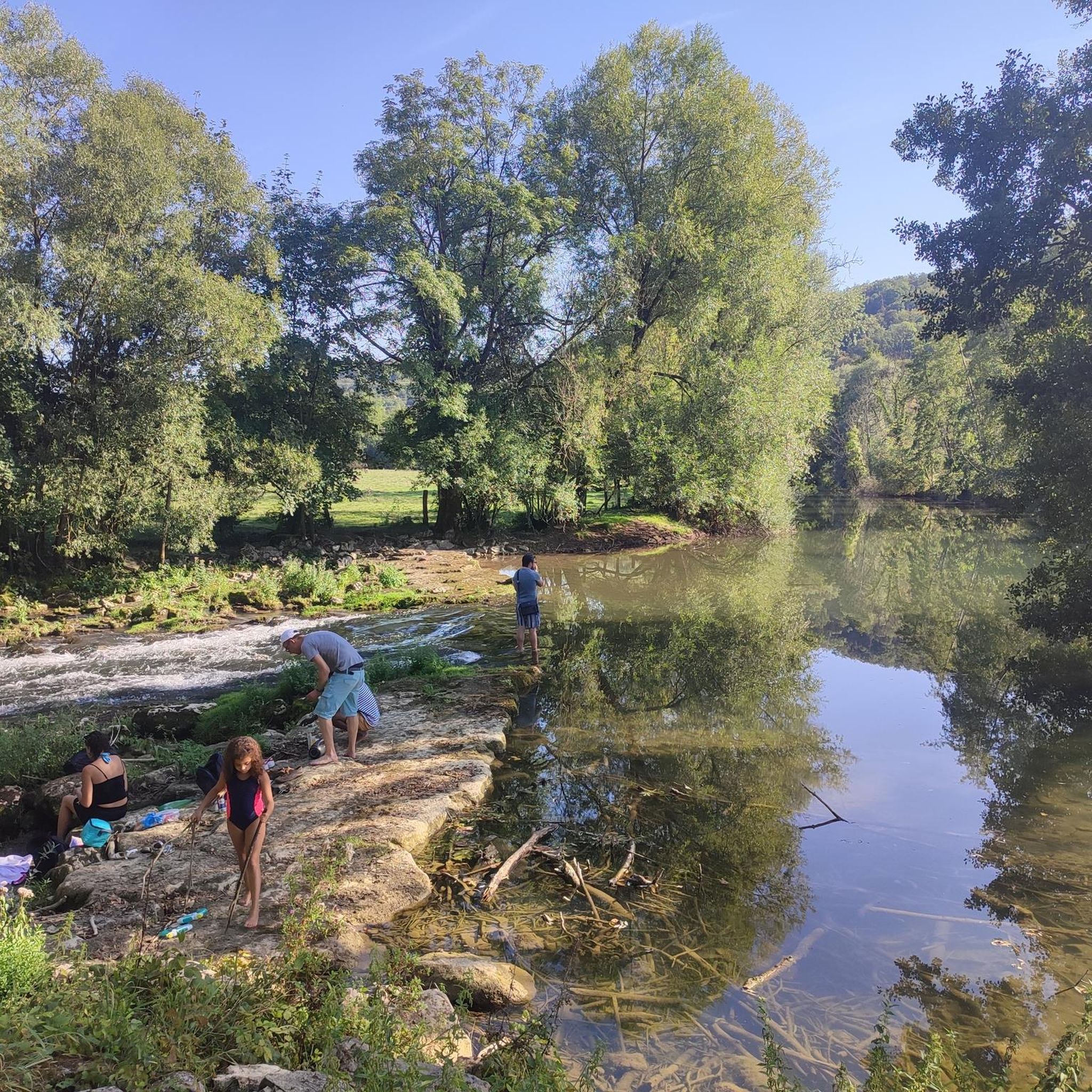
Savonnières-Devant-Bar is situated in the Meuse department, with the Ornain river valley as a significant geographical reference. The nearby town of Bar-le-Duc is nestled in a valley lined with vineyards and forests, offering scenic views and opportunities to enjoy the natural landscape.
What is the best time to visit Savonnières-Devant-Bar?
The area can be enjoyed throughout the year, but specific events might influence your visit. The Feast of Saint-Calixte, featuring fairground attractions and a flea market, takes place on the third Sunday of October. Additionally, Bastille Day celebrations on July 13th include fireworks, offering a vibrant summer experience.
Are there any unique cultural experiences or local crafts to discover?
Yes, the Marshal workshop at the entrance to the ZA Salvanges, bordering Bar-le-Duc and Savonnières-Devant-Bar, is associated with art glass ("vitraux d'art"), offering a glimpse into local craftsmanship. The region also has culinary traditions, such as the famous currant jam from Bar-le-Duc, traditionally pitted by hand with a goose quill.
What is the historical significance of Savonnières-Devant-Bar itself?
The village's name, "Savonnières," is believed to come from "saponaria" (soapwort), suggesting a possible Gallo-Roman soap factory. It has strong historical ties to Bar-le-Duc and played a role during the First World War, housing a field hospital that treated wounded soldiers from the Verdun front.
What do visitors enjoy most about the attractions around Savonnières-Devant-Bar?
Visitors particularly appreciate the well-preserved Renaissance architecture, especially in the Bar-le-Duc Upper Town Renaissance Quarter, noting its beautiful houses and charming corners. The historical depth and cultural insights offered by sites like the Saint-Jean Church and Marbeaumont Castle are also highly valued.
Can I find examples of Renaissance architecture in the area?
Absolutely. The Bar-le-Duc Upper Town Renaissance Quarter is a prime example, featuring a collection of Renaissance buildings in excellent condition. The town of Bar-le-Duc itself is renowned for its Renaissance heritage, offering a rich architectural experience.
Is there a specific building that houses the district court?
Yes, the Hotel de Florainville, originally built in the 16th century for the Florainville family, currently houses the district court. It is a beautiful and impressive historical building.
Most popular routes around Savonnières-Devant-Bar

Get inspired with the komoot mobile app


Explore more
Still not found the Highlight you’re looking for? See guides of the top attractions in other regions:
