The best road cycling routes around Trémont-Sur-Saulx
4.8
(22)
1,261
riders
218
rides
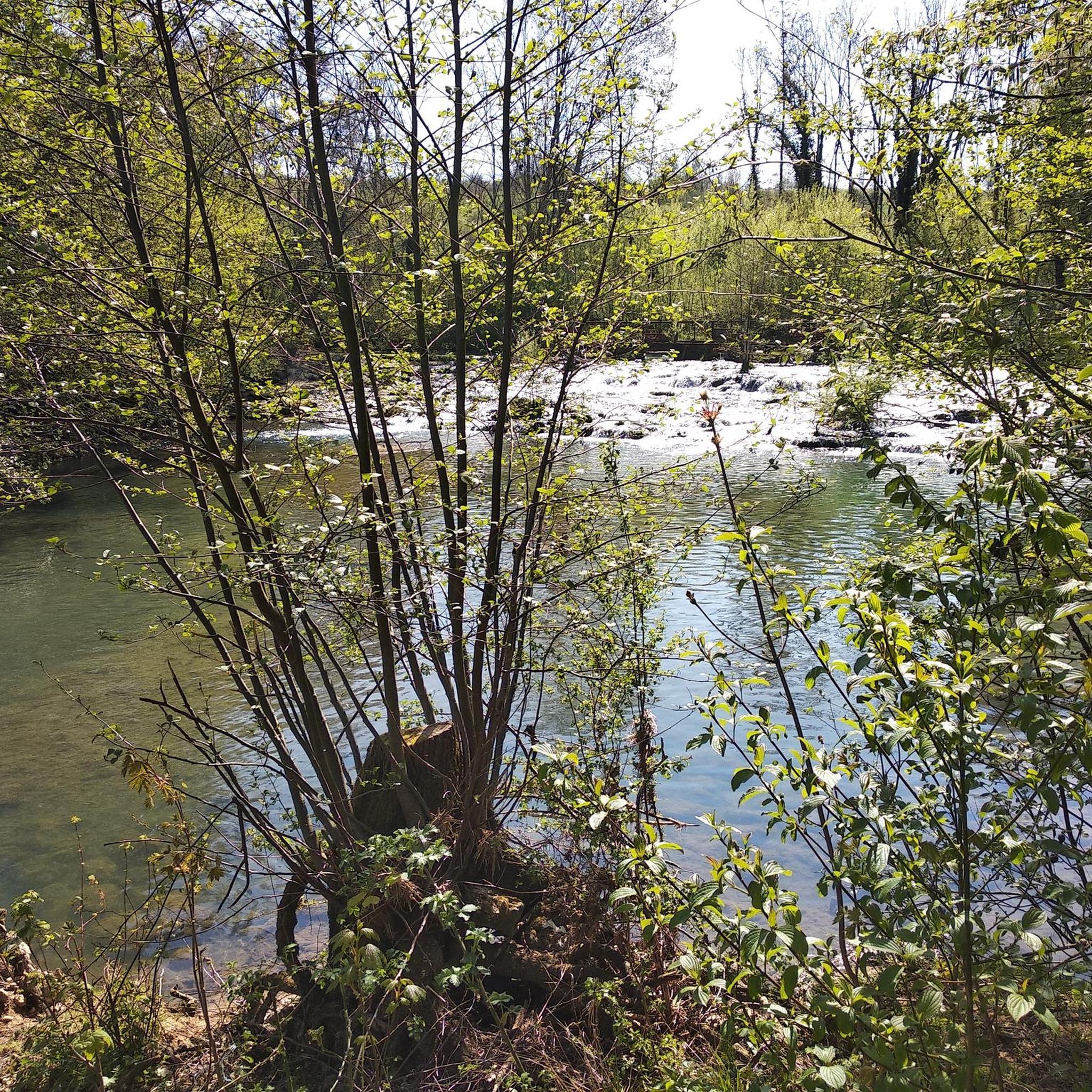
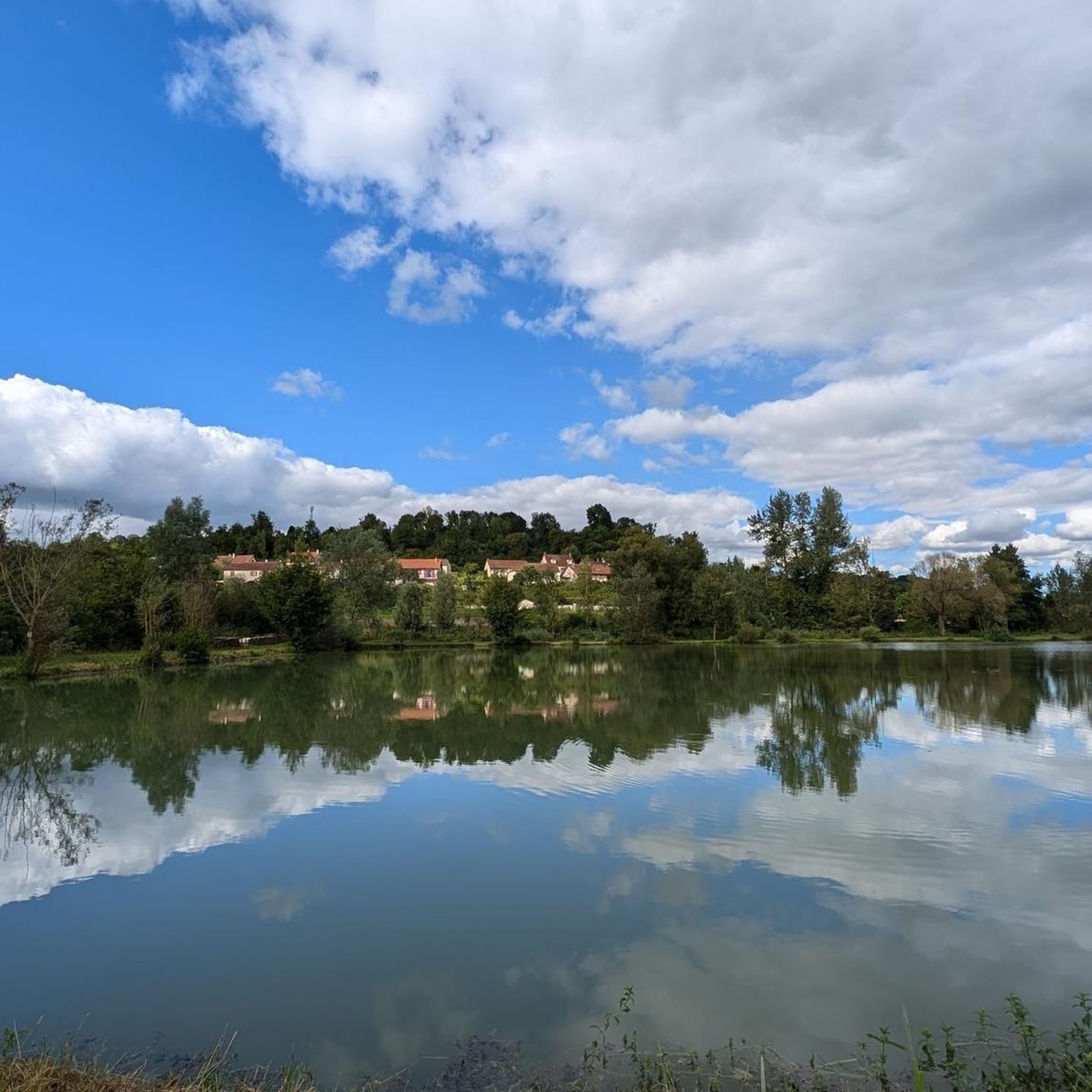
Road cycling routes around Trémont-Sur-Saulx traverse a landscape characterized by rolling agricultural fields, river valleys, and scattered woodlands. The region features a network of paved roads connecting historical villages and rural areas. Elevation changes are generally moderate, with some routes including gradual ascents and descents. This terrain provides varied conditions for road cyclists.
Best road cycling routes around Trémont-Sur-Saulx
- The most popular road cycling route is Ville-sur-Saulx Castle – Lisle Castle loop from Ville-sur-Saulx, an easy 26.4 miles (42.5…
Last updated: October 19, 2026
5.0
(1)
49
riders
67.6km
02:55
530m
530m
Moderate road ride. Good fitness required. Mostly well-paved surfaces and easy to ride.
8
riders
49.2km
02:10
440m
440m
Moderate road ride. Good fitness required. Mostly well-paved surfaces and easy to ride.

9
riders
Easy road ride. Great for any fitness level. Mostly well-paved surfaces and easy to ride.
12
riders
53.4km
02:20
420m
420m
Moderate road ride. Good fitness required. Mostly well-paved surfaces and easy to ride.
10
riders
49.2km
02:12
410m
410m
Moderate road ride. Good fitness required. Mostly well-paved surfaces and easy to ride.
Get access to more routes and recommendations from other explorers.
Already have an account?
Our route recommendations are based on thousands of hikes, rides, and runs completed by other people on komoot.
Start today with a free account
Your next adventure awaits.



Tips from the Community

Very uneven surface but always more pleasant than car traffic on the main road.
0
0

A beautiful church and definitely worth a visit.
1
1
On the site of an old fountain, a monument erected in 1894 by public subscription honors the memory of Barisiens Pierre and Ernest Michaux, inventors and promoters of the pedal velocipede. This monument also marks the entrance to the Bourg district. A chubby child representing the genius of the bicycle, placed in front of a velocipede, extols the invention of the pedal by the Michaux family in 1861, thus allowing the cycle to evolve from the balance bike to the velocipede. Source: https://www.tourisme-barleducsudmeuse.fr/page,fiche-sitlor,produit,754005864
1
0

The monument commemorates to Pierre and Ernest Michaux, the inventors of the velocipede.
1
0


Very enchanting place on the edge of the canal.
1
0

This ancient collegiate church in Gothic style, with some characteristic Renaissance elements, was built between 1315 and 1630. It houses two important works by the Lorraine sculptor Ligier Richier: Christ on the Cross between the Two Thieves and "Le Transi de René de Chalon," depicting the Prince of Orange as a skeleton. It was classified as a historic monument in 1889.
2
0
Frequently Asked Questions
How many road cycling routes are available around Trémont-Sur-Saulx?
There are over 200 road cycling routes around Trémont-Sur-Saulx, offering a wide range of options for different skill levels and preferences. The komoot community has explored these routes over 1200 times.
Are there road cycling routes suitable for beginners in Trémont-Sur-Saulx?
Yes, Trémont-Sur-Saulx offers 39 easy road cycling routes. An excellent option for beginners is the Ville-sur-Saulx Castle – Lisle Castle loop from Ville-sur-Saulx, an easy 42.5 km trail that takes about 1 hour 49 minutes to complete.
What kind of terrain can I expect on road cycling routes in Trémont-Sur-Saulx?
The region around Trémont-Sur-Saulx features a landscape of rolling agricultural fields, river valleys, and scattered woodlands. Elevation changes are generally moderate, with routes including gradual ascents and descents, providing varied conditions for road cyclists.
Are there any advanced or challenging road cycling routes in the area?
Yes, for more experienced cyclists, there are 22 difficult road cycling routes around Trémont-Sur-Saulx. These routes typically feature more significant elevation gains and longer distances, providing a greater challenge.
What are some scenic viewpoints or landmarks I can see while road cycling?
Many routes pass through historical villages and offer views of the rural landscape. You can explore routes that take you past landmarks such as the Saint-Jean Church of Bar-le-Duc or the Ruins of the Abbey of Trois-Fontaines. The Church of Saint Stephen – Clock Tower loop from Combles-en-Barrois is a moderate route that connects historical landmarks.
Are there any loop routes for road cycling around Trémont-Sur-Saulx?
Yes, many road cycling routes in the area are designed as loops. For instance, the Lisle Castle loop from L'Isle-en-Rigault is a moderate 53.8 km circular path, and the Marbeaumont Castle – The Ornain loop from Robert-Espagne offers a 48.2 km loop through the Ornain river valley.
What is the best time of year for road cycling in Trémont-Sur-Saulx?
Spring and autumn generally offer the most pleasant conditions for road cycling in Trémont-Sur-Saulx, with milder temperatures and beautiful scenery. Summer can also be enjoyable, though it's advisable to cycle in the mornings or late afternoons to avoid the midday heat.
Are there cafes or places to stop for refreshments along the road cycling routes?
The routes often connect historical villages and rural areas, where you can typically find local cafes, bakeries, or small shops for refreshments. Planning your route with komoot allows you to identify potential stops along the way.
What do other road cyclists enjoy most about road cycling in Trémont-Sur-Saulx?
The area is highly rated by the komoot community, with an average score of 4.4 stars from over 20 reviews. Reviewers often praise the quiet roads, the charming historical villages, and the varied yet manageable terrain that makes for an enjoyable cycling experience.
How long do road cycling routes typically take to complete?
Route durations vary significantly based on distance and your cycling speed. For example, the easy Ville-sur-Saulx Castle – Lisle Castle loop from Ville-sur-Saulx typically takes around 1 hour 49 minutes, while longer moderate routes like the Ville-sur-Saulx Castle – Lisle Castle loop from Robert-Espagne (49.2 km) can take over 2 hours.
Is public transport available to access road cycling routes in Trémont-Sur-Saulx?
While Trémont-Sur-Saulx is a rural area, some larger nearby towns may offer limited public transport connections. It's recommended to check local bus or train schedules for specific routes and their bike carriage policies if you plan to use public transport to reach your starting point.
Most popular routes around Trémont-Sur-Saulx
Most popular attractions around Trémont-Sur-Saulx

Get inspired with the komoot mobile app


Explore more
Browse the best Road cycling routes in other regions.
