Attractions and Places To See around Chamery - Top 20
Best attractions and places to see around Chamery, a village in France's Marne department, offer a blend of historical charm and natural beauty. Situated within the Montagne de Reims Regional Natural Park, the area is characterized by forests, hillsides, and extensive vineyards. The village itself features notable landmarks and serves as a base for exploring the wider Champagne region. These natural features Chamery France provide diverse opportunities for outdoor activities.
Best attractions and places to see around Chamery
- The most popular attractions is Place Royale (Reims), a man-made monument formed in the mid-18th century. This spacious square features a bronze statue of Louis XV and has origins tracing back to the former Roman forum.
- Another must-see spot is Coulée Verte de Reims, a trail stretching for about 24 kilometers along the banks of the canal and the River Vesle. This green corridor offers recreational options like walking, cycling, and jogging within a carefully landscaped environment.
- Visitors also love Subé fountain, a monumental fountain located on the Place Drouet-d'Erlon in Reims. Designed in 1906, it features four statues symbolizing regional rivers and is topped by a bronze winged Victory.
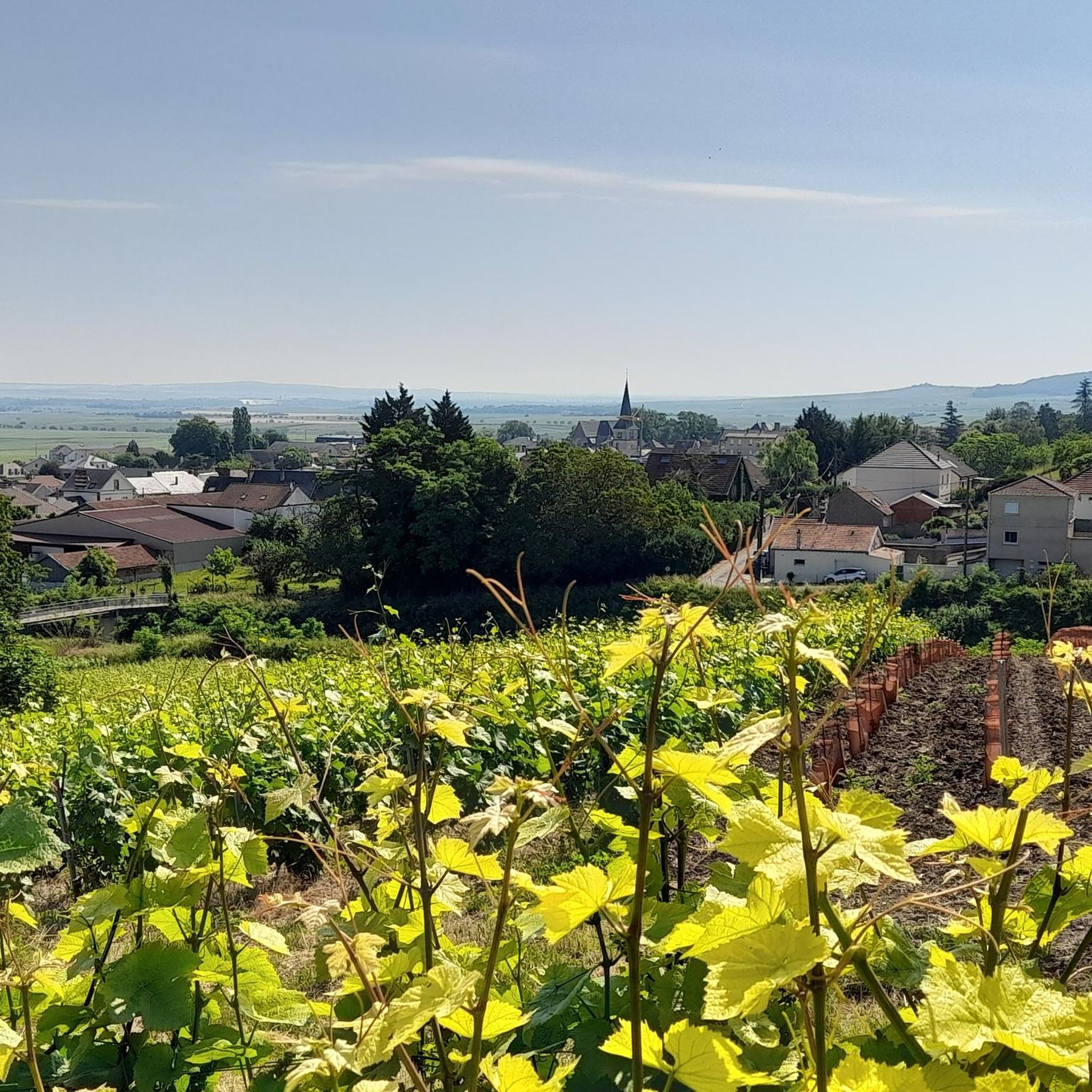
- Chamery is known for its historical sites, natural parks, and vineyards. Visitors can explore the Eglise Saint-Pierre et Saint-Paul, enjoy the Montagne de Reims Regional Natural Park, and discover local wine producers.
- The attractions around Chamery are appreciated by the komoot community, with over 200 upvotes and 9 photos.
Last updated: June 22, 2026
Coulée Verte de Reims
Highlight • Trail
Translated by Google •
Tip by

Place Royale (Reims)
Highlight • Monument
Translated by Google •
Tip by

Sign up now to discover places like this
Get recommendations on the best single tracks, peaks, & plenty of other exciting outdoor places.
Sign up for free
Subé fountain
Highlight • Monument
Translated by Google •
Tip by
Reims Opera
Highlight • Historical Site
Translated by Google •
Tip by
Abbaye de Hautvillers
Highlight • Historical Site
Translated by Google •
Tip by

Sign up for free to discover even more attractions around Chamery.
Sign up for free
Already have an account?
Start today with a free account
Your next adventure awaits.
Login or Signup
Tips from the Community

A magnificent architectural jewel nestled in the heart of this historic French city. This elegant opera house, with its rich history and vibrant programming, plays a vital role in the cultural life of Reims, captivating audiences with its splendid performances and significantly contributing to the city's artistic identity. The origins of the Opéra de Reims date back to the 19th century. Built in 1873, the original structure, designed in the neoclassical style, was a testament to the city's ambition and its thriving cultural scene. However, the devastation of the First World War severely damaged the building, leaving it in ruins. This setback, however, did not deter the city's commitment to the arts. The opera house was meticulously rebuilt in the 1930s, embracing the then-popular Art Deco style. Architects François Maille and Louis Sollier skillfully blended historical elements with the sleek lines and geometric shapes characteristic of the Art Deco movement, creating a unique and captivating architectural statement. The result is a building that seamlessly blends historical grandeur with modern aesthetics, a testament to the city's resilience and commitment to the arts. https://operadereims.com/
1
0

Unfortunately, performances are only irregular, so check the program in good time.
0
0
The cycle path offers the possibility to park outside and cycle into the city in a relaxed manner.
0
0

The opera, with its 750-seat Italian Hall, is a must-see on any tour of Reims' Art Deco heritage. Behind the preserved 19th-century facade, the architects completely restructured the interior in the spirit of the Théâtre des Champs-Élysées in Paris after the First World War: bas-reliefs, ironwork, chandeliers, paintings...
2
0

The square sits on the site of the ancient Roman forum of Durocorturum and follows the original Roman street layout with the main axes (Cardo and Decumanus). The architect Jean-Gabriel Legendre was married to the sister of Sophie Volland, who was the famous correspondent of philosopher Denis Diderot.
4
1
a historic square in central Reims that was built in the 18th century after demolishing a maze of narrow medieval streets that were so cramped that Queen Marie Leszczyńska couldn't pass through with her carriage. The square was designed by architect Jean-Gabriel Legendre and features orderly architecture typical of royal squares, with a central monument that originally honored Louis XV but was replaced after the French Revolution. Construction began in 1758 and cost 620k livres, significantly more than originally budgeted, and the square remained incomplete until 1910.
4
1
The theater's opening night on March 3, 1873, featured prestigious performers from the Comédie-Française and Paris Opera, and the venue was one of the first in the region to replace gas lighting with electricity in 1888 for enhanced fire safety.
2
2
The Reims Opera House was designed by local architect Alphonse Gosset and inaugurated in 1873, featuring neoclassical exterior architecture combined with distinctive Art Deco interior decoration added during its 1931 reconstruction. The original theater was destroyed during World War I when German bombardment caused the dome and grand chandelier to collapse, making it the last public building to be reconstructed in Reims after the war. The current venue seats 790 people and boasts impressive technical facilities with three levels below the stage for machinery and four levels behind for dressing rooms.
4
1
Frequently Asked Questions
What historical landmarks can I explore within Chamery?
Within Chamery, the primary historical landmark is the Eglise Saint-Pierre et Saint-Paul de Chamery. This church, dating from the 12th and 16th centuries, is classified as a Historical Monument and features Romanesque architecture, a 57-meter-high spire, a 15th-century altarpiece, and an 18th-century choir with Louis XVI style paneling.
What natural features characterize the area around Chamery?
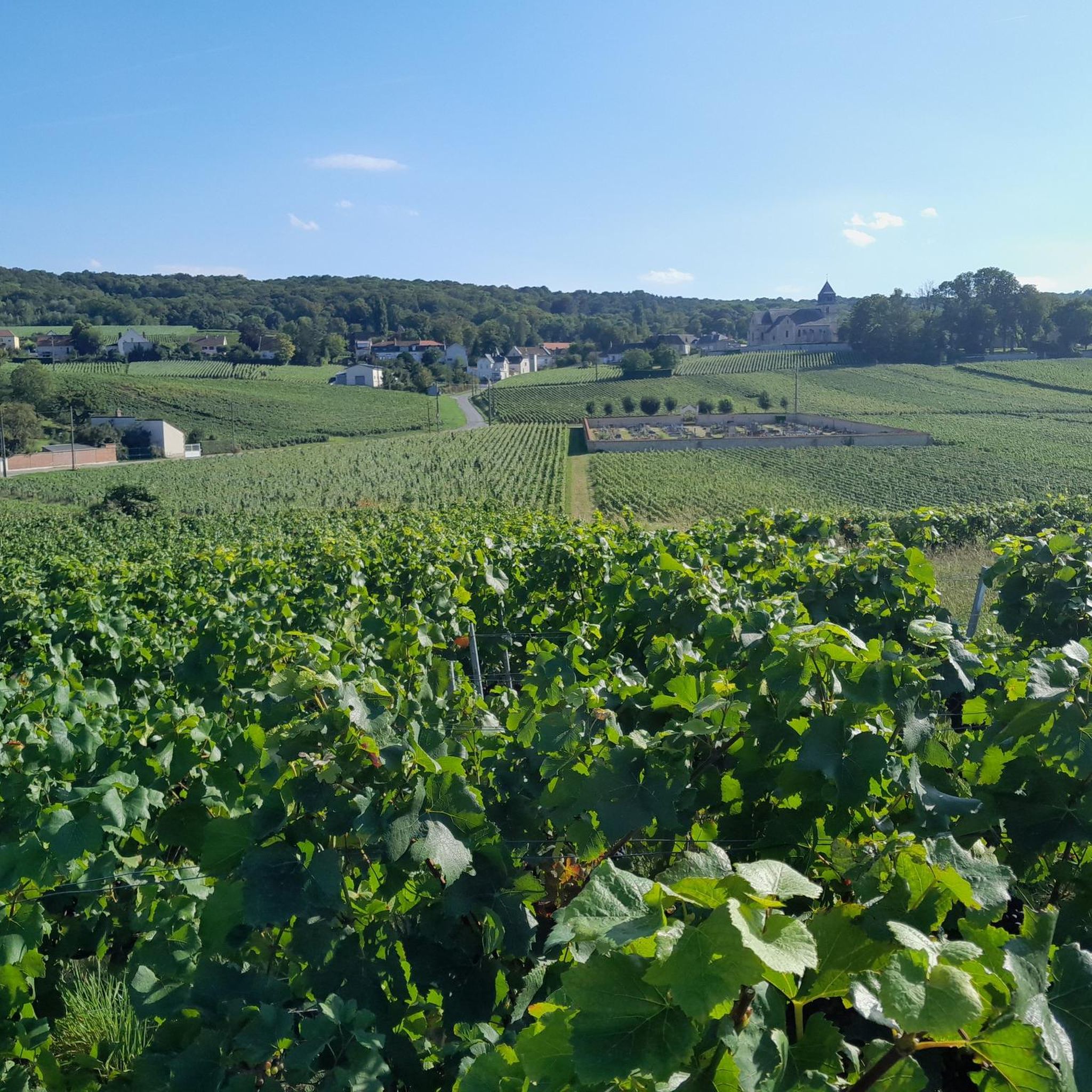
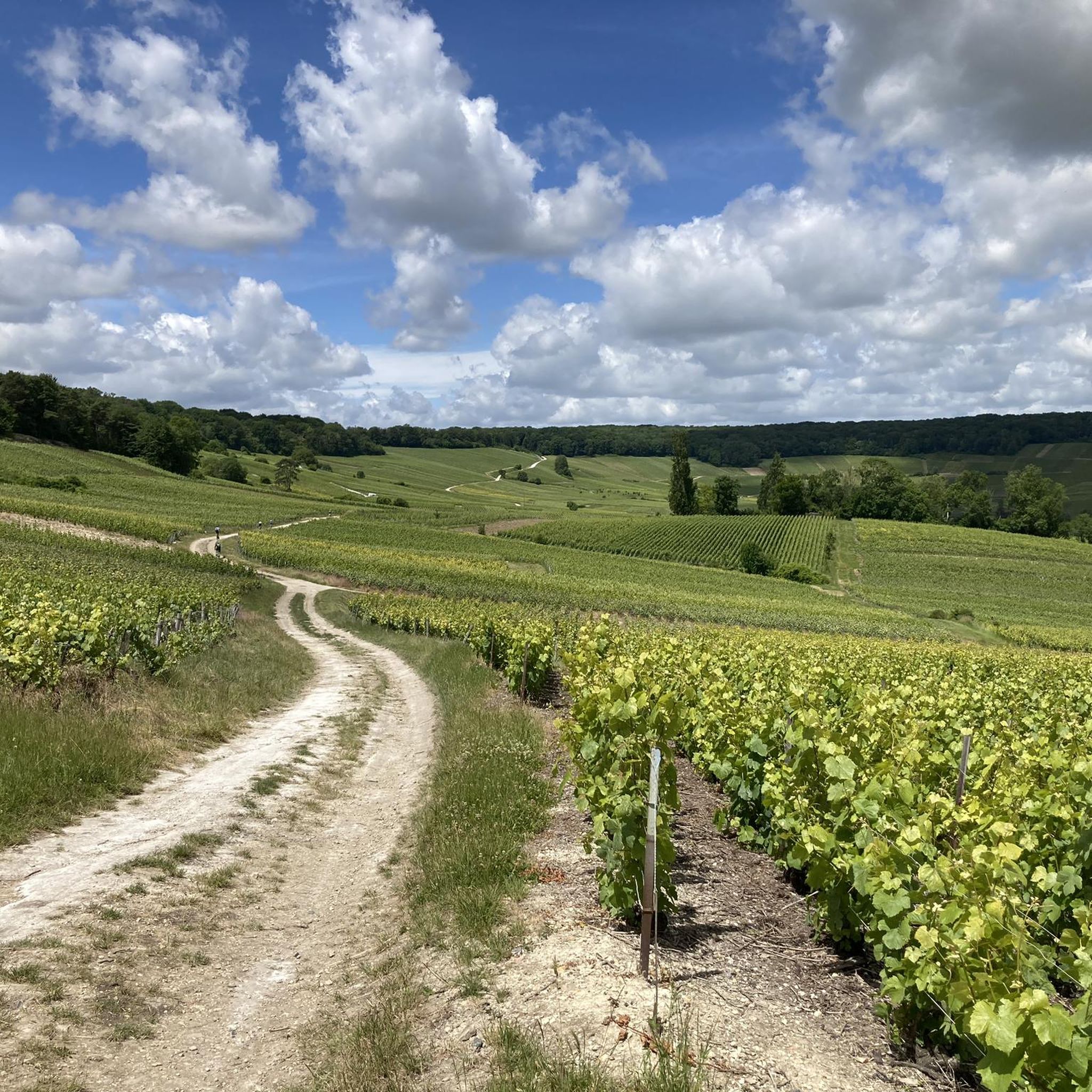
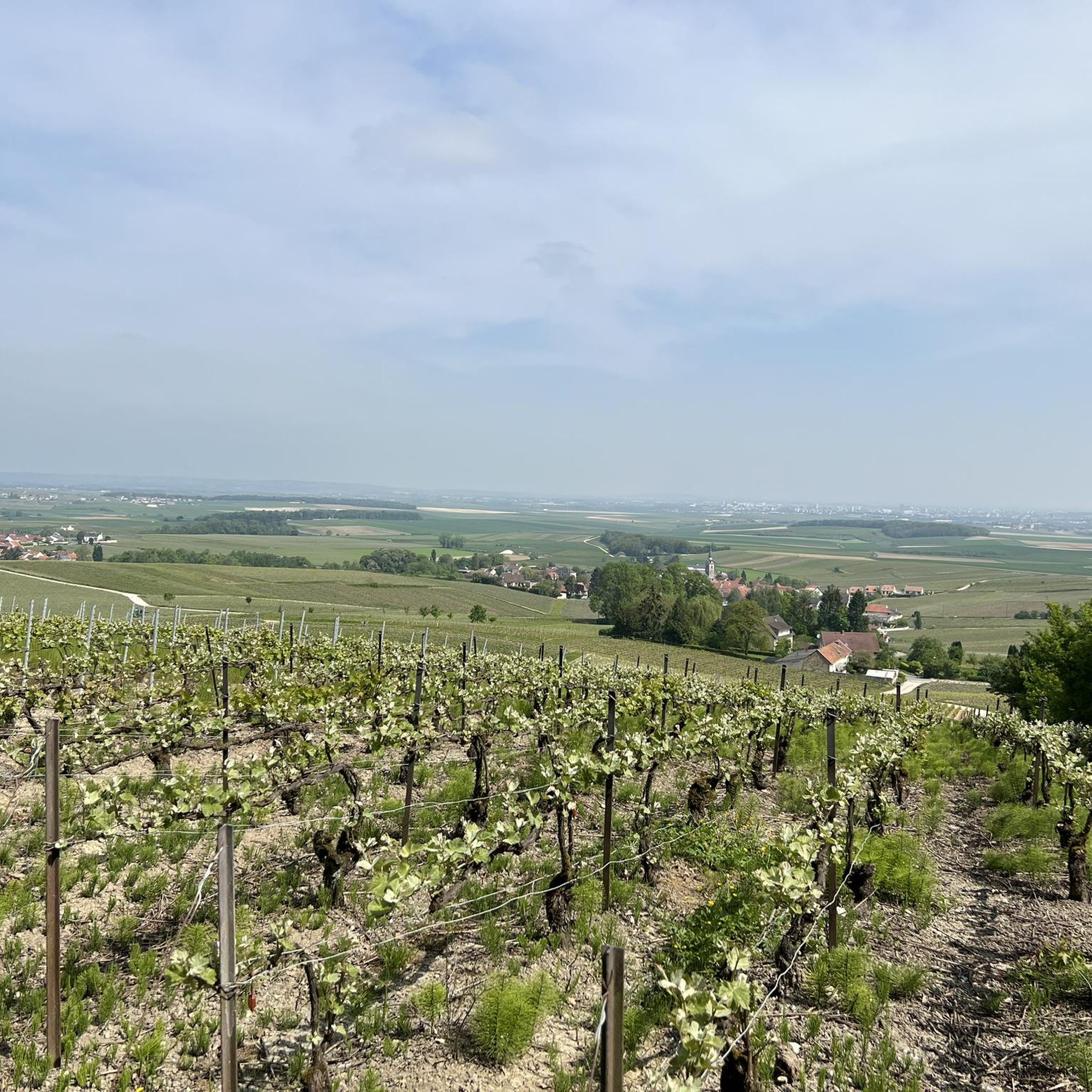
Chamery is nestled within the picturesque Montagne de Reims Regional Natural Park, an area known for its dense forests, hillsides, valleys, and waterways. The landscape is also predominantly covered in vineyards, laid out in a horseshoe shape, reflecting the region's strong connection to the Champagne wine industry.
Are there opportunities for hiking near Chamery?
Yes, the Montagne de Reims Regional Natural Park offers numerous opportunities for hiking. You can find various trails, including moderate and easy options like the "War memorial – Écueil Village and Vineyards loop from Écueil" or the "La Noelle Forest Road – Sermiers marked trail loop from Courtagnon." For more details on routes, visit the Hiking around Chamery guide.
What are some family-friendly attractions in the wider Chamery region?
For family-friendly activities, consider visiting the Coulée Verte de Reims, a green corridor stretching along the canal and River Vesle, perfect for walking, cycling, and jogging. The Subé fountain in Reims is also considered family-friendly and a notable landmark.
What cultural sites are worth visiting near Chamery?
Beyond Chamery, you can explore significant cultural sites such as the Abbaye de Hautvillers, considered the birthplace of the Champenoise method, where Dom Pérignon improved and popularized champagne. The Reims Opera, with its neoclassical exterior and Art Deco interior, is another notable cultural landmark.
Can I find cycling routes around Chamery?
Absolutely. The region provides various cycling opportunities, including MTB trails. Routes like the "Sermiers marked trail – Reims mountain loop from Champfleury" offer moderate challenges. For a comprehensive list of routes, refer to the MTB Trails around Chamery guide.
What is the best time to visit Chamery for vineyard exploration?
The warmer months are ideal for vineyard exploration in Chamery. During summer, the prosperous houses of local wine producers often display their crafts with baskets, desks, and barrels overflowing with flowers, enhancing the village's charm and the scenic beauty of the vineyards.
Are there any notable viewpoints in the Chamery area?
While Chamery itself is a tranquil village, its location within the Montagne de Reims Regional Natural Park means scenic views are abundant. The village's setting perfectly illustrates the quiet beauty of the communities dotted across the hillsides of the Montagne de Reims, offering picturesque vistas of the vine-covered landscape.
What makes Chamery a 'ville fleurie 4*?'
Chamery holds a 'ville fleurie 4*' (four-flower town) classification, which signifies its exceptional commitment to green spaces and floral decoration. This classification highlights the village's dedication to enhancing its aesthetic appeal through extensive and well-maintained floral displays and landscaping.
What are some popular urban attractions easily accessible from Chamery?
Given Chamery's proximity to Reims (11 km away), you can easily access urban attractions like Place Royale (Reims), a historic square featuring a bronze statue of Louis XV, and the Subé fountain, a monumental fountain with statues symbolizing regional rivers.
What kind of running trails are available near Chamery?
For runners, there are several trails around Chamery, ranging in difficulty. Options include the "Running loop from Chamery" and the "Étang de Morieul loop from Chamery," both considered difficult. For more detailed information on routes, check the Running Trails around Chamery guide.
Most popular routes around Chamery
Most popular attractions around Chamery

Get inspired with the komoot mobile app


Explore more
Still not found the Highlight you’re looking for? See guides of the top attractions in other regions:
