Attractions and Places To See around Villers-Aux-Nœuds - Top 20
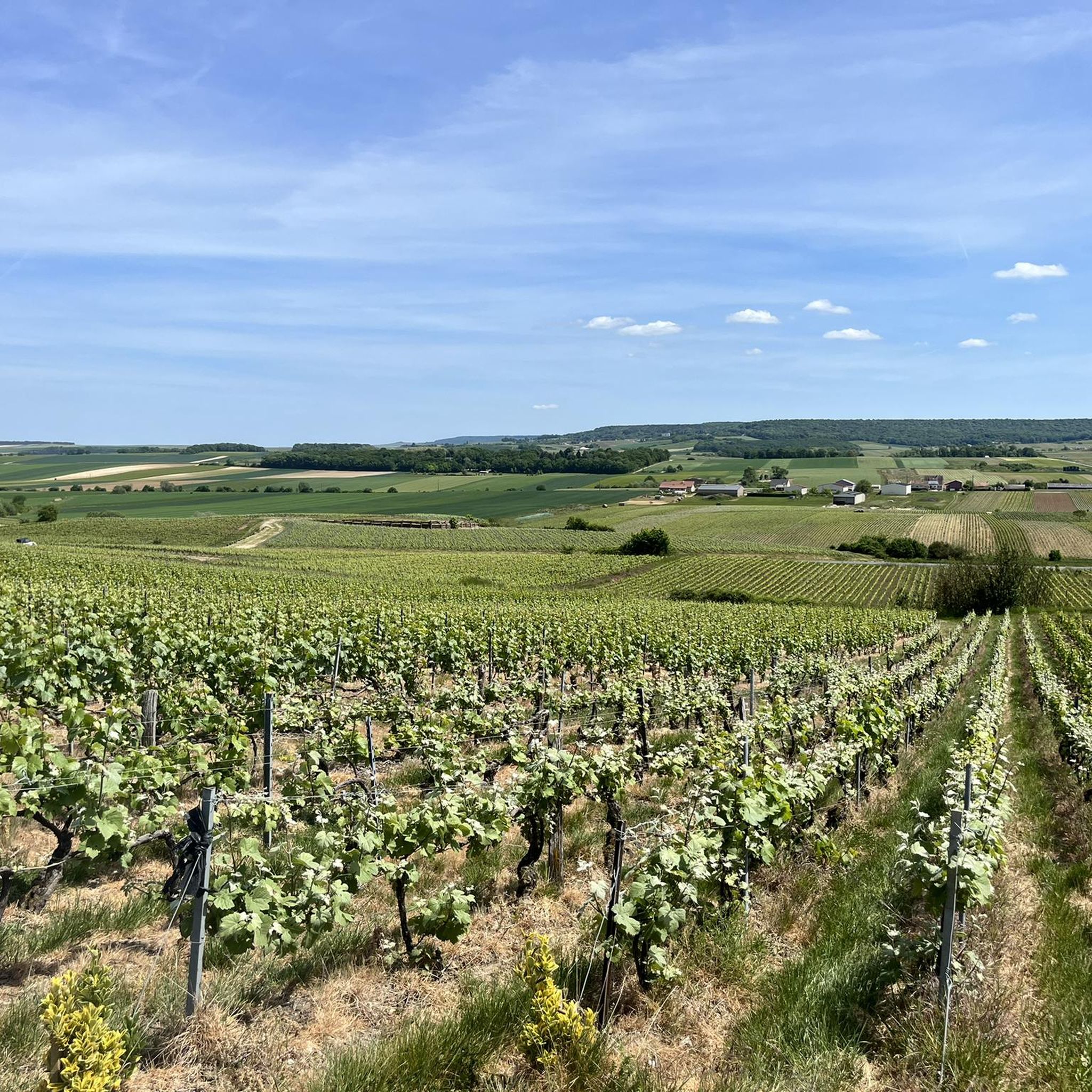
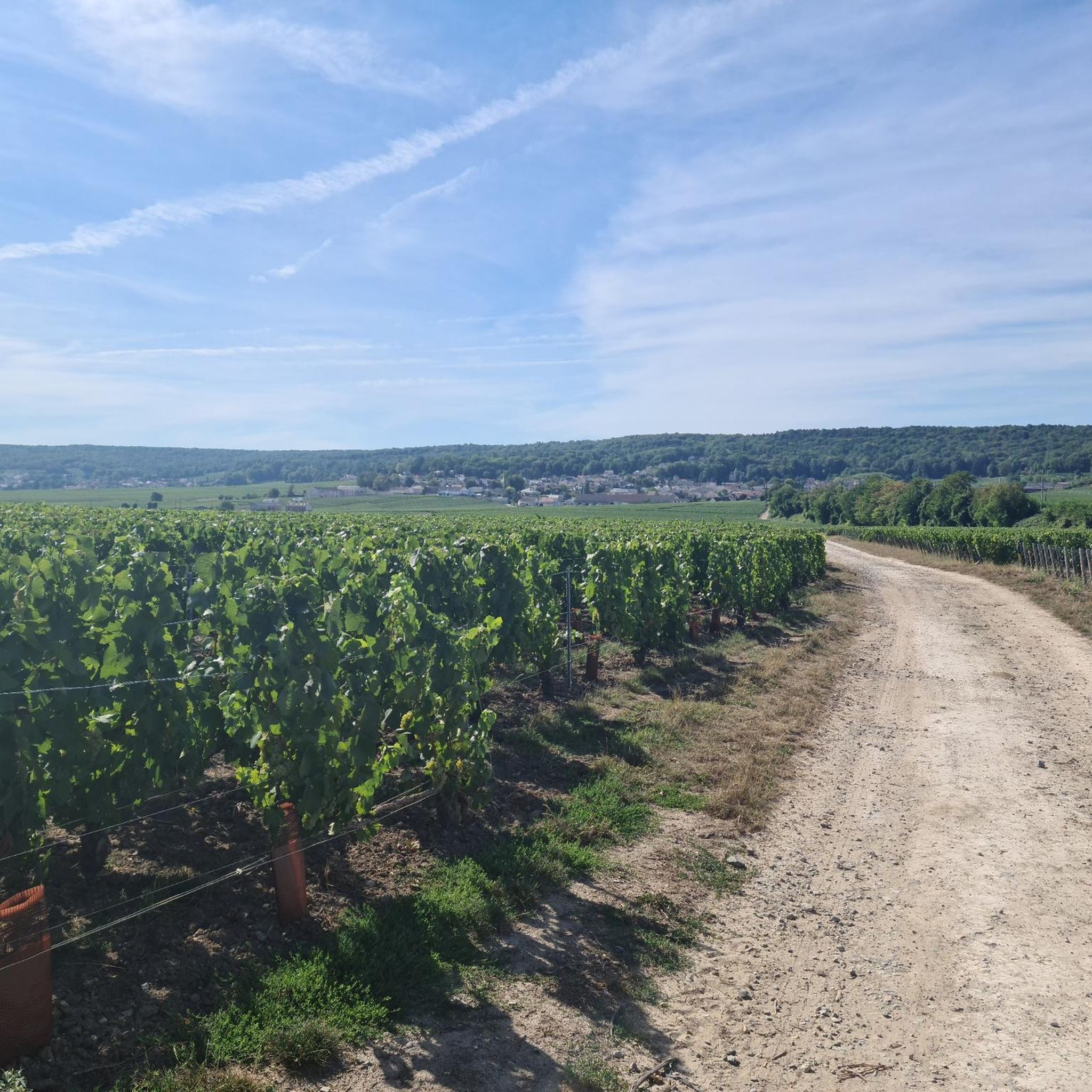
Best attractions and places to see around Villers-Aux-Nœuds include its viticultural landscape and proximity to significant cultural sites. This Premier Cru Champagne village in the Marne department is known for its vineyards, such as "Le Mont Benoit," which contribute to the region's renowned Champagne production. Situated on the Montagne de Reims hill, the village offers local points of interest like L'église St. Théodulphe. Villers-Aux-Nœuds provides access to the wider Champagne region, with major cities like Reims and Epernay easily accessible…
Last updated: August 29, 2026
Coulée Verte de Reims
Highlight • Trail
Translated by Google •
Tip by

Place Royale (Reims)
Highlight • Monument
Translated by Google •
Tip by

Sign up now to discover places like this
Get recommendations on the best single tracks, peaks, & plenty of other exciting outdoor places.
Sign up for free
Subé fountain
Highlight • Monument
Translated by Google •
Tip by
Reims Opera
Highlight • Historical Site
Translated by Google •
Tip by
Mars Gate
Highlight • Historical Site
Translated by Google •
Tip by
Sign up for free to discover even more attractions around Villers-Aux-Nœuds.
Sign up for free
Already have an account?
Start today with a free account
Your next adventure awaits.
Login or Signup
Tips from the Community

A magnificent architectural jewel nestled in the heart of this historic French city. This elegant opera house, with its rich history and vibrant programming, plays a vital role in the cultural life of Reims, captivating audiences with its splendid performances and significantly contributing to the city's artistic identity. The origins of the Opéra de Reims date back to the 19th century. Built in 1873, the original structure, designed in the neoclassical style, was a testament to the city's ambition and its thriving cultural scene. However, the devastation of the First World War severely damaged the building, leaving it in ruins. This setback, however, did not deter the city's commitment to the arts. The opera house was meticulously rebuilt in the 1930s, embracing the then-popular Art Deco style. Architects François Maille and Louis Sollier skillfully blended historical elements with the sleek lines and geometric shapes characteristic of the Art Deco movement, creating a unique and captivating architectural statement. The result is a building that seamlessly blends historical grandeur with modern aesthetics, a testament to the city's resilience and commitment to the arts. https://operadereims.com/
1
0

Unfortunately, performances are only irregular, so check the program in good time.
0
0
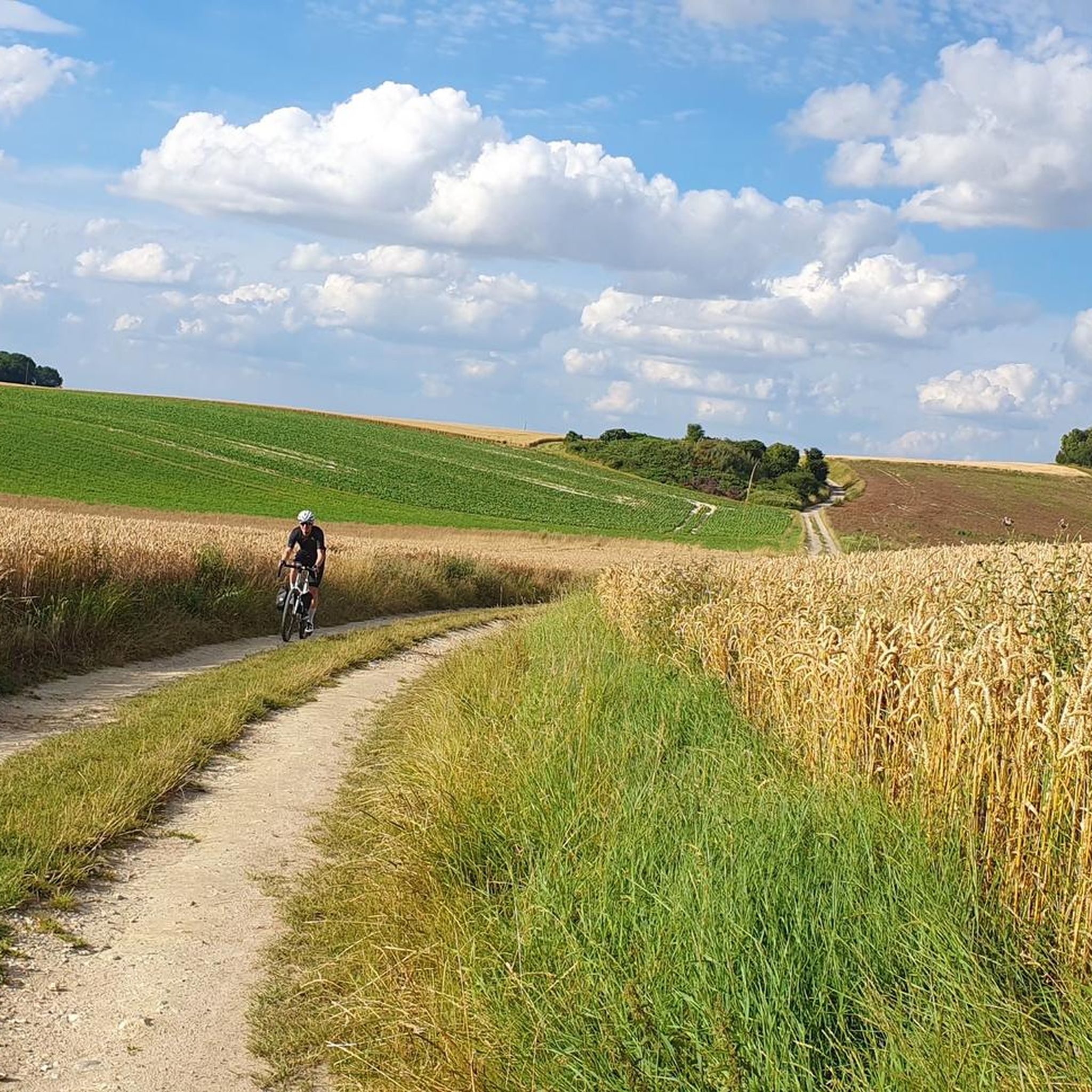
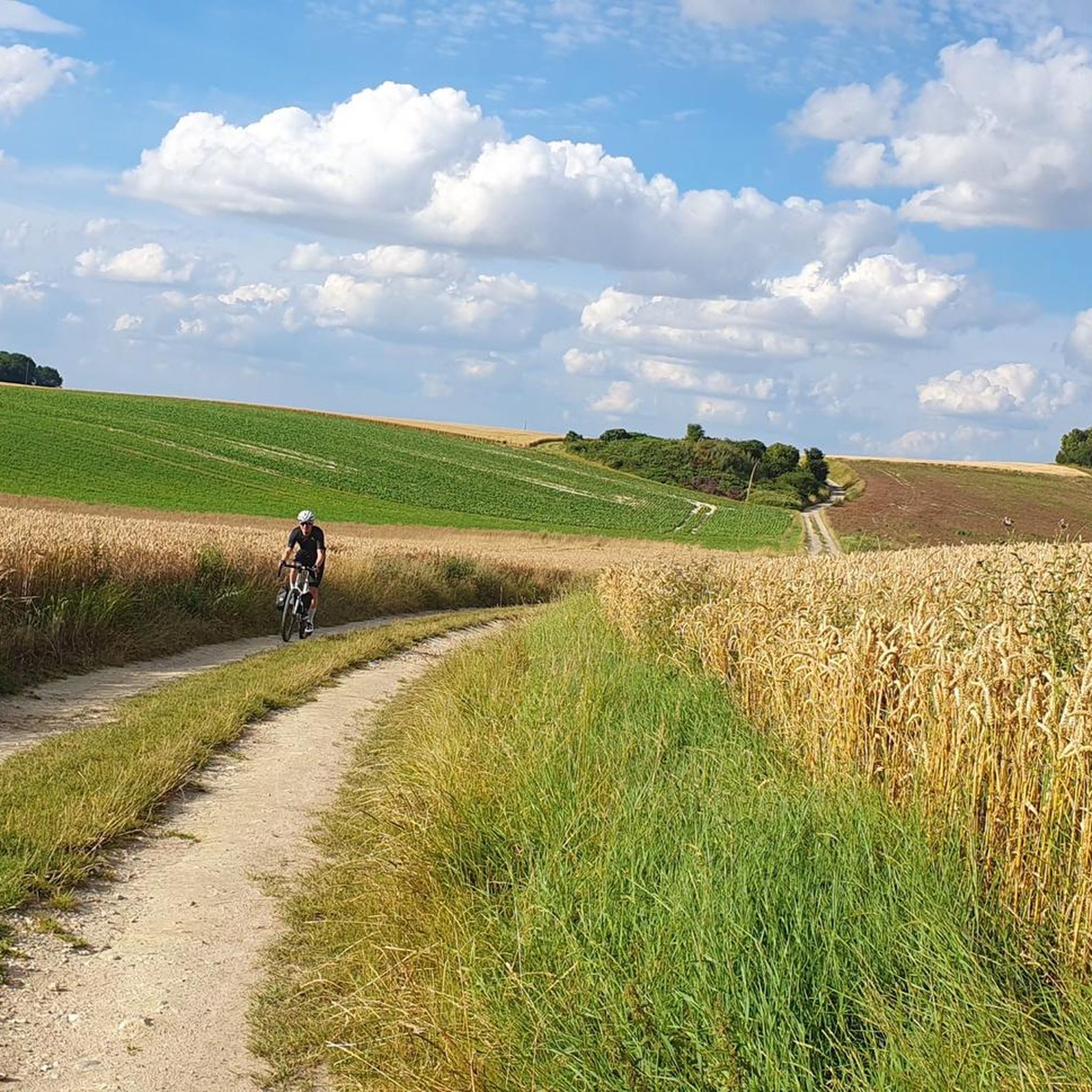
The cycle path offers the possibility to park outside and cycle into the city in a relaxed manner.
0
0

The opera, with its 750-seat Italian Hall, is a must-see on any tour of Reims' Art Deco heritage. Behind the preserved 19th-century facade, the architects completely restructured the interior in the spirit of the Théâtre des Champs-Élysées in Paris after the First World War: bas-reliefs, ironwork, chandeliers, paintings...
2
0
Under the central arch is a calendar depicting the activities and tasks of agriculture and viticulture: grape pressing, harvesting, etc. A calendar can be seen here through the carved reliefs. Under the eastern arch, we can see a she-wolf suckling Romulus and Remus. According to legend, it was Remus who founded Reims. Finally, under the western arch, we can see Leda being seduced by Jupiter.
1
0
This ancient monument is one of the longest in the Roman world: it is approximately 32 meters long and 12 meters high! The Mars Gate was built towards the end of the 2nd century and is the only one of the four monumental arches providing access to the city of Durocortorum that has survived. It consists of three arcades. The central arch carried the city's major north-south axis, intended for the passage of carriages. The two side arcades were used by pedestrians.
1
0

The monument survived destruction because it was walled up inside the Archbishop's castle in the 13th century, which inadvertently preserved it for future generations.
3
1
The Porte de Mars is a 3rd-century Roman monument in Reims, France, representing the widest arch in the entire Roman world at 33 meters long and 13 meters high. Originally built as one of four monumental arches at the cardinal entrances to ancient Durocortorum, it's the only surviving example of these grand structures. The arch features three decorated archways with intricate relief carvings, including scenes of Romulus and Remus with the she-wolf, agricultural calendars showing Gallic harvesters, and mythological figures like Leda and Zeus.
3
1
Frequently Asked Questions
What historical sites can I explore around Villers-Aux-Nœuds?
The region offers several significant historical sites. In Reims, you can visit Place Royale, a mid-18th-century square honoring Louis XV, and Mars Gate, an ancient Roman triumphal arch dating from after the 3rd century. The Reims Opera, originally built in 1873, also stands as a notable historical landmark.
Are there any natural features or viewpoints to enjoy near Villers-Aux-Nœuds?
Villers-Aux-Nœuds is situated on the lower part of the north-facing slope of the Montagne de Reims hill, offering scenic views of agricultural land and vineyards. While the village itself is known for its viticultural landscape, you can also explore the Coulée Verte de Reims, a green corridor stretching along the canal and River Vesle, providing a natural escape within the city.
What kind of outdoor activities can I do around Villers-Aux-Nœuds?
The area around Villers-Aux-Nœuds is excellent for outdoor activities. You can find numerous routes for cycling, hiking, and running. For instance, there are easy cycling routes like the 'Bike loop from Bezannes' and moderate hiking trails such as the 'Circuit de la Noëlle — Parc naturel régional de la Montagne de Reims'. You can explore more options on the dedicated guides for cycling, hiking, and running trails.
Are there family-friendly attractions or activities in the area?
Yes, several attractions are suitable for families. The Coulée Verte de Reims is a great option for walking, cycling, or jogging with children. Additionally, the Subé fountain in Reims is considered family-friendly and a pleasant spot to visit.
Can I bring my dog to attractions around Villers-Aux-Nœuds?
Some attractions are dog-friendly. For example, the Subé fountain in Reims welcomes dogs. When planning outdoor activities, many of the trails in the surrounding vineyards and natural areas are also suitable for walks with dogs. Always check specific location rules beforehand.
What is the best time of year to visit Villers-Aux-Nœuds and its attractions?
The best time to visit Villers-Aux-Nœuds and the Champagne region is generally from late spring to early autumn (May to October). During this period, the weather is pleasant for exploring vineyards and outdoor activities. The grape harvest season in late summer/early autumn offers a unique experience related to the region's viticulture.
Where can I find unique local experiences or 'hidden gems' near Villers-Aux-Nœuds?
Beyond the main city attractions, Villers-Aux-Nœuds itself is a Premier Cru Champagne village. Exploring its vineyards, such as 'Le Mont Benoit,' and visiting independent winemakers offers a unique insight into Champagne production. For a fine dining experience with vineyard views, consider the Château de Sacy, located nearby.
Are there accessible attractions for wheelchair users around Villers-Aux-Nœuds?
Yes, some historical sites in Reims are noted as wheelchair accessible. These include Place Royale, Mars Gate, and the Subé fountain. These central locations offer paved surfaces and generally good accessibility.
What are the options for walking or hiking trails near Villers-Aux-Nœuds?
There are various walking and hiking trails available. You can find moderate routes like the 'Sermiers and Courtagnon Forest Loop' or the 'Chamaillots Circuit Trail,' which offer a good balance of distance and terrain. For more options, refer to the hiking guide for Villers-Aux-Nœuds.
What do visitors appreciate most about the attractions near Villers-Aux-Nœuds?
Visitors frequently appreciate the blend of historical grandeur and natural beauty. The well-preserved Roman architecture of Mars Gate and the elegance of Place Royale are often highlighted. The Coulée Verte de Reims is praised as a beautiful green space for relaxation and activity within the city, offering a refreshing contrast to the historical sites.
Can I find easy cycling routes suitable for beginners near Villers-Aux-Nœuds?
Absolutely. For those looking for easier cycling options, there are routes like the 'Bike loop from Bezannes' (approx. 10 km) and the 'Buttes de la Muire Park loop from Trois-Puits' (approx. 19.5 km), both categorized as easy. More details can be found in the cycling guide for Villers-Aux-Nœuds.
Are there any notable Champagne houses or vineyards to visit in Villers-Aux-Nœuds?
As a Premier Cru village, Villers-Aux-Nœuds is integral to Champagne production. It is home to significant vineyards, including 'Le Mont Benoit.' While specific visitor centers may vary, the village is known for independent winemakers like Emmanuel Brochet and Leroy, whose vineyards contribute to the region's renowned Champagne. Exploring these vineyards offers a direct connection to the local viticulture.
Most popular routes around Villers-Aux-Nœuds
Most popular attractions around Villers-Aux-Nœuds

Get inspired with the komoot mobile app


Explore more
Still not found the Highlight you’re looking for? See guides of the top attractions in other regions:
