Attractions and Places To See around Senneville-Sur-Fécamp - Top 20
Attractions and places to see around Senneville-Sur-Fécamp include a mix of natural coastal features and historical sites. This rural commune in Normandy is known for its unique "valleuses" that provide access to the sea through chalk cliffs. The surrounding area, particularly Fécamp and Étretat, offers a range of cultural landmarks and scenic viewpoints. Visitors can explore maritime history, impressive architecture, and dramatic cliff formations.
Best attractions and places to see around Senneville-Sur-Fécamp
- The most popular attractions is Beautiful view of Yport, a settlement that offers views of the cliffs. This seaside resort, nestled in a small valley, historically housed a seafaring community.
- Another must-see spot is Yport Beach, a pebble beach. It provides views of the White Cliffs and is part of a charming small town.
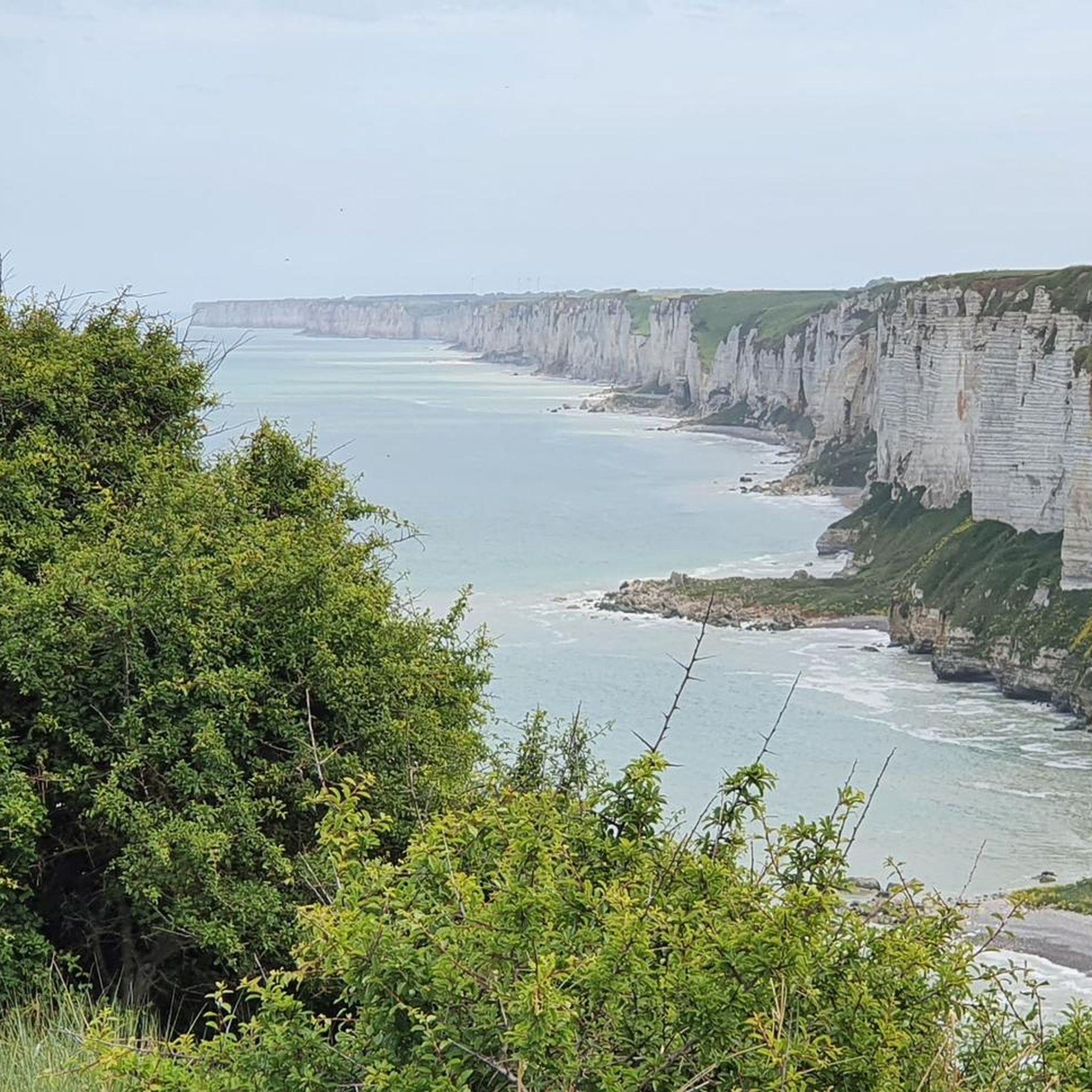
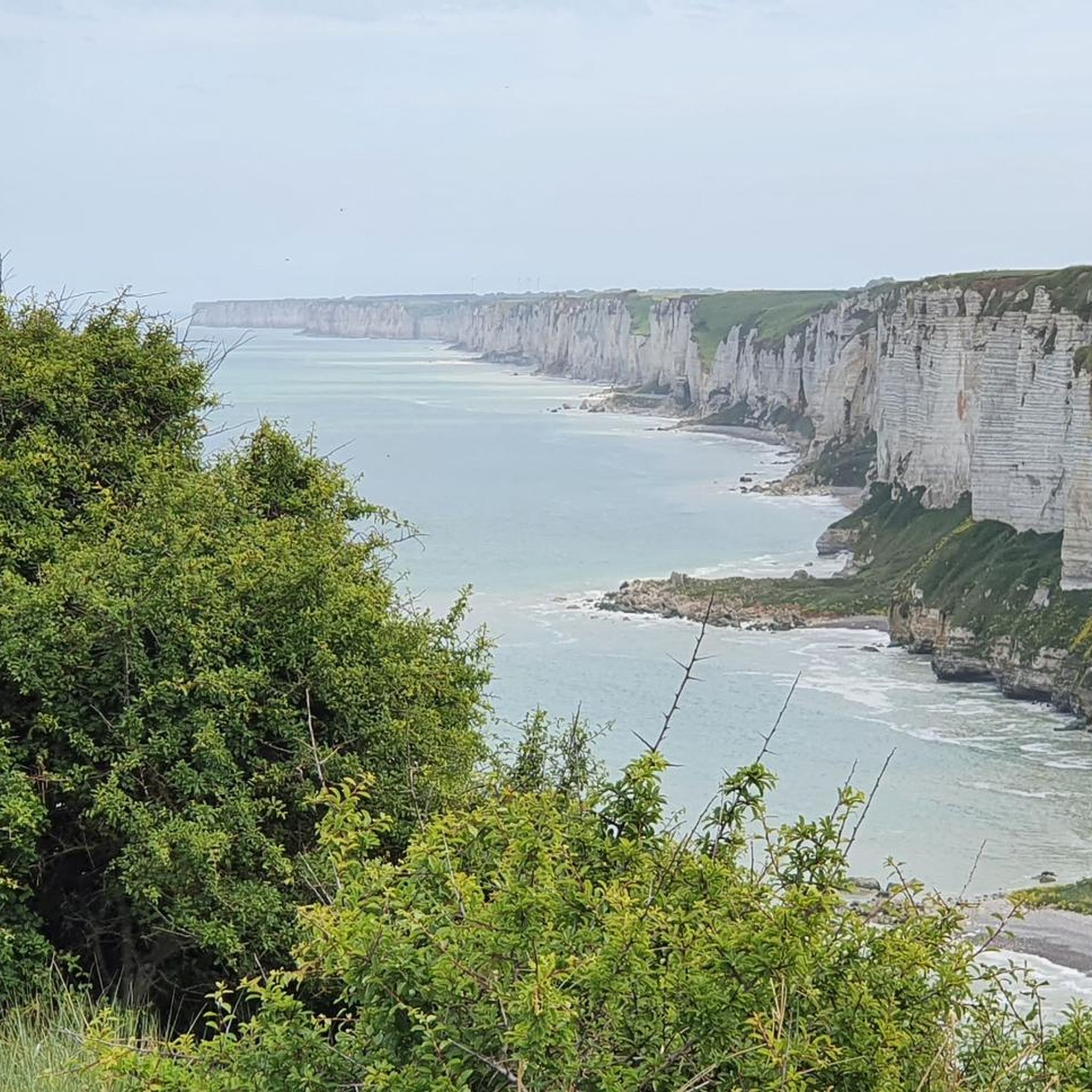
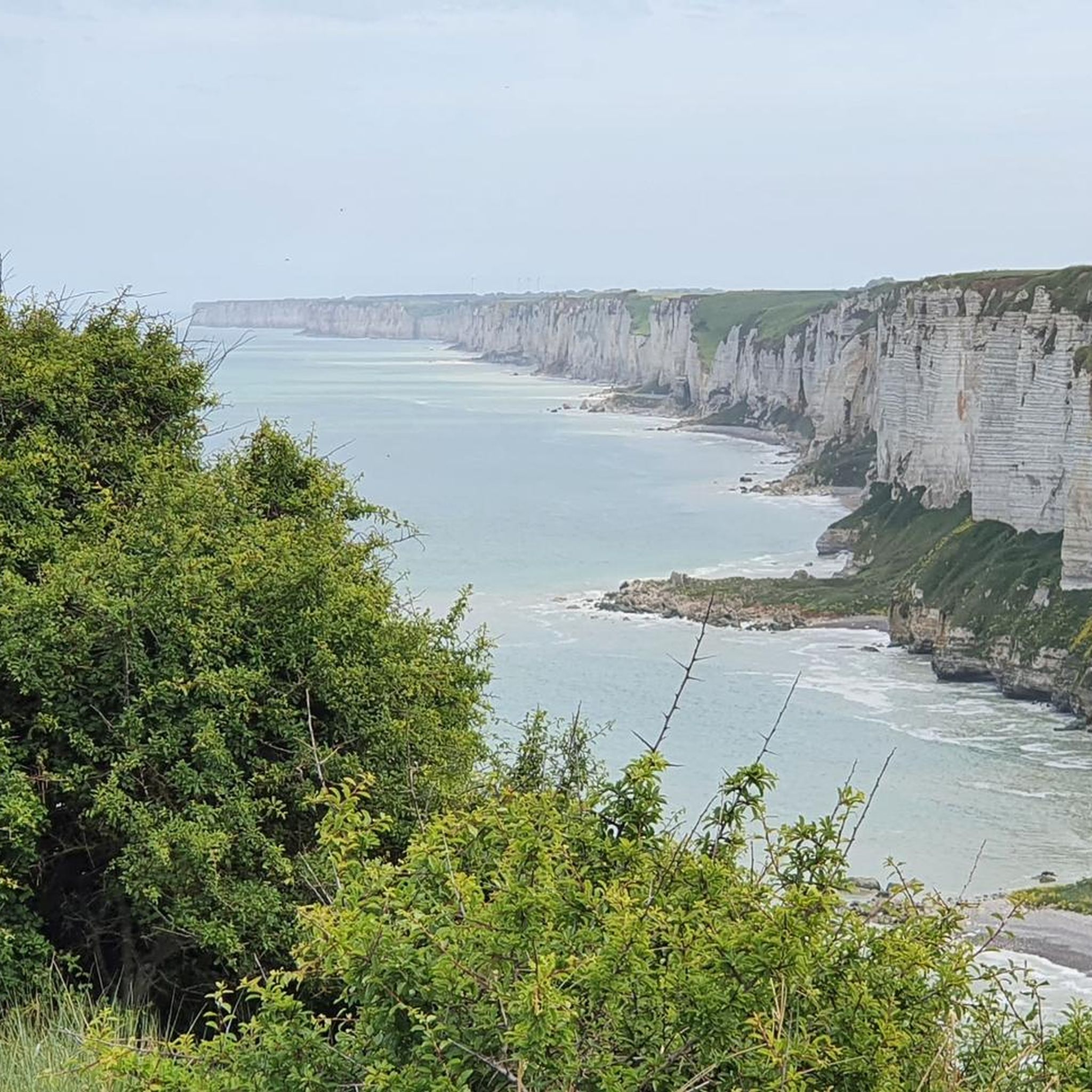
- Visitors also love Magnificent view, a viewpoint from Cap Fagnet. From here, visitors can see the town of Fécamp, the cliffs, and in clear weather, the cliffs of Étretat.
- Senneville-Sur-Fécamp is known for its natural coastal landscapes, historical sites, and cultural landmarks. The region offers a variety of attractions to explore, from dramatic cliffs and beaches to museums and architectural marvels.
- The attractions around Senneville-Sur-Fécamp are appreciated by the komoot community, with more than 300 upvotes and 120 photos.
Last updated: August 30, 2026
Yport Beach
Highlight • Beach
Translated by Google •
Tip by

Beautiful view of Yport
Highlight • Settlement
Translated by Google •
Tip by

Sign up now to discover places like this
Get recommendations on the best single tracks, peaks, & plenty of other exciting outdoor places.
Sign up for free
Fécamp Marina
Highlight • Structure
Translated by Google •
Tip by

Bénédictine Palace
Highlight • Monument
You can reserve tickets for a tour online benedictinedom.com
The background: In 1863 wine merchant Alexandre Le Grand developed a recipe for an herbal liqueur flavored with twenty-seven flowers, berries, herbs, roots, and spices, helped by a local chemist, from old medicinal recipes that he had acquired from a religious foundation where a maternal grandparent had held office as a fiscal prosecutor. To market it, he embellished a story of it having been developed by monks at the Benedictine Abbey of Fécamp in Normandy, and produced by them until the abbey's devastation during the French Revolution. He began production under the trade name "Bénédictine", using a bottle with a distinguishing shape and label. To reinforce his myth, he placed the abbreviation "D.O.M." on the label, for "Deo Optimo Maximo" ("To God, most good, most great"), used at the beginning of documents by the Benedictine Order to dedicate their work. en.wikipedia.org/wiki/B%C3%A9n%C3%A9dictine#History
Tip by

Magnificent view
Highlight • Other
is one of the most beautiful walks you can do in Normandy!
Start at the dams to breathe in the sea air, then a little effort over the Côte de la Vierge to finish with a magnificent view of the town and the cliffs overlooking the sea.
At the top, you will learn about the history of Fécamp, from the log cabins to the wind turbines.
A small circuit, ideal for a walk with family or friends!
Translated by Google •
Tip by

Sign up for free to discover even more attractions around Senneville-Sur-Fécamp.
Sign up for free
Already have an account?
Start today with a free account
Your next adventure awaits.
Login or Signup
Tips from the Community

Quiet with nice shops and restaurants nearby
0
0

Yport is not as crowded as Etretat and has very cute streets.
0
0

The Cape is home to cormorants and many other bird species in a 5,700 hectare bird sanctuary.
2
0
At 110 metres high, Cape Fagnet is the highest point on the French Alabaster Coast in Normandy and is located directly above the harbour entrance of Fécamp. There are viewing points and a radar station on the cape. The view from the cape extends far along the chalk cliffs in the east and as far as Étretat in the west. In 2006, a small wind farm was built on the cape.
2
0
To reach the top of the Fécamp semaphore, Marine Nationale officers must climb 199 steps! Marine Nationale officers must climb 199 steps! Marine Nationale officers must climb 199 steps! 💪
2
0
Throughout history, the inhabitants of Fécamp have come here to remain faithful to the memory of sailors. Even today, the crews setting sail greet Notre-Dame with three blasts of the siren to assure them of "fair winds and fair seas".
2
0
What is a semaphore for? Classified as category 1, the semaphore ensures constant surveillance, 24 hours a day. The Navy broadcasts news and weather reports to sailors and is involved in monitoring French waters, maritime rescue, signaling and combating pollution. What is the difference between a lighthouse and a semaphore? Lighthouses provide light to help ships navigate on the water. Semaphores monitor and control marine areas
2
0
The first semaphore in Fécamp was built in 1808: it is a brick building erected near the edge of the cliff. It has a characteristic hexagonal roof from which the semaphore mast rose. The current semaphore has been located since 1904 in the stone tower of the former "Lighthouse of the Virgin" built in 1834 and is about 117 meters above sea level.
2
0
Frequently Asked Questions
What unique natural features can I explore around Senneville-sur-Fécamp?
The region is known for its unique "valleuses," which are natural depressions providing access to the sea through the high chalk cliffs. The Valleuse de Senneville-sur-Fécamp itself is a tranquil spot, and other picturesque valleuses like Les Petites Dalles and Valleuse de Grainval offer secluded beaches and varied coastal views. These are ideal for quiet contemplation and exploring the Alabaster Coast.
Where can I find dramatic coastal views near Senneville-sur-Fécamp?
For spectacular natural scenery, visit the iconic Cap Fagnet in Fécamp, which offers expansive views of the Alabaster Coast and the town. A short drive away, the dramatic cliffs and natural arches of Étretat, including the famous "Cliff of Aval," are a must-see for their impressive chalk formations.
Are there any beaches suitable for relaxation or swimming in the area?
Yes, Yport Beach is a charming pebble beach offering excellent views of the White Cliffs and a relaxed atmosphere. The main beach in Fécamp also provides opportunities for relaxation by the sea. Many of the smaller "valleuses" lead to more secluded beaches, perfect for a quieter experience.
What historical and cultural sites can I visit near Senneville-sur-Fécamp?
Fécamp, a short distance away, boasts several significant sites. The stunning Palais Bénédictine is an architectural masterpiece housing the distillery of the famous liqueur. You can also explore the rich maritime history at Les Pêcheries, Musée de Fécamp, and admire the impressive Gothic architecture of the Abbatiale de la Sainte-Trinité.
Can I learn about the local maritime history in the region?
Absolutely. Fécamp has a rich maritime heritage, particularly as a major cod fishing hub. The Les Pêcheries, Musée de Fécamp, housed in a former cod drying plant, offers deep insights into this history. You can also stroll along the historic Fécamp Port and admire the green lighthouse.
What outdoor activities are available around Senneville-sur-Fécamp?
The area is excellent for outdoor enthusiasts. You can enjoy hiking along the coastal paths, exploring the various valleuses, or cycling on dedicated routes. For more active fun, Woody Park near Fécamp offers adventure activities like tree climbing and paintball. You can find various running, road cycling, and MTB trails in the area, such as those listed in the Running Trails around Senneville-Sur-Fécamp guide.
Are there hiking trails with good views near Senneville-sur-Fécamp?
Yes, hiking along the coastal path provides stunning views of the Alabaster Coast. A popular option is the circular hike from Senneville-sur-Fécamp to Cap Fagnet, offering expansive panoramas. Many trails also lead through the verdant valleuses, providing varied scenery. Explore more options in the Running Trails around Senneville-Sur-Fécamp guide, which includes routes like the Cap Fagnet loop.
Are there family-friendly attractions around Senneville-sur-Fécamp?
Families can enjoy a visit to Yport Beach for a relaxing day by the sea. The Palais Bénédictine offers engaging tours that can be interesting for older children. For active families, Woody Park near Fécamp provides a range of adventure activities like tree climbing and paintball.
What is the best time of year to visit Senneville-sur-Fécamp for outdoor activities?
The best time to visit for outdoor activities is generally during the spring (April-June) and early autumn (September-October) when the weather is milder and more pleasant for hiking, cycling, and exploring the coast. Summer months (July-August) are also popular, though they can be busier.
Are there any hidden gems or less-known spots worth discovering?
Beyond the main attractions, explore the various lesser-known "valleuses" along the Alabaster Coast, which often lead to secluded and peaceful beaches. Inland, the Manoir de Vertot in Fauville en Caux offers a glimpse into 16th and 17th-century Cauchoise architecture and is inscribed as a Historic Monument, providing a quieter cultural experience.
What do visitors enjoy most about the attractions around Senneville-sur-Fécamp?
Visitors particularly appreciate the stunning coastal views, especially from spots like Cap Fagnet and the cliffs of Étretat. The tranquil atmosphere of places like Yport, with its charming small town feel and beautiful beach, is also highly rated. The blend of dramatic natural landscapes and rich historical sites like the Palais Bénédictine offers a diverse and engaging experience.
Can I find cycling routes that include some of the main attractions?
Yes, there are several cycling routes that allow you to explore the region's attractions. For example, the Road Cycling Routes around Senneville-Sur-Fécamp guide includes routes like the "Étretat Beach – Chalk cliffs of Étretat loop from Fécamp" and the "Saint Stephen's Church – Fécamp Abbey and Castle loop from Fécamp," which pass by significant landmarks and scenic spots.
Most popular routes around Senneville-Sur-Fécamp
Most popular attractions around Senneville-Sur-Fécamp

Get inspired with the komoot mobile app


Explore more
Still not found the Highlight you’re looking for? See guides of the top attractions in other regions:
