Attractions and Places To See around Ville-Dommange - Top 20
Best attractions and places to see around Ville-Dommange. This village, located in the Marne department of France's Grand-Est region, is recognized for its champagne production and extensive vineyards on the Montagne de Reims. It serves as a base for exploring the wider Champagne region, offering a blend of cultural sites and natural landscapes. The area provides various Ville-Dommange tourist attractions and points of interest for visitors.
Best attractions and places to see around Ville-Dommange
- The most popular attractions is Place Royale (Reims), a man-made monument formed in the mid-18th century. This spacious square features a bronze statue of Louis XV and has facades of original buildings, with its origins potentially tracing back to the former Roman forum.
- Another must-see spot is Mars Gate, a historical site and triumphal arch. This monument, dating from after the 3rd century, is the last vestige of the four portae that marked city entrances in antiquity and was integrated into medieval city fortifications.
- Visitors also love Coulée Verte de Reims, a trail stretching about 24 kilometers along the canal and River Vesle. This green corridor offers recreational options such as walking, cycling, and jogging, providing a landscaped space for relaxation and sporting activities.
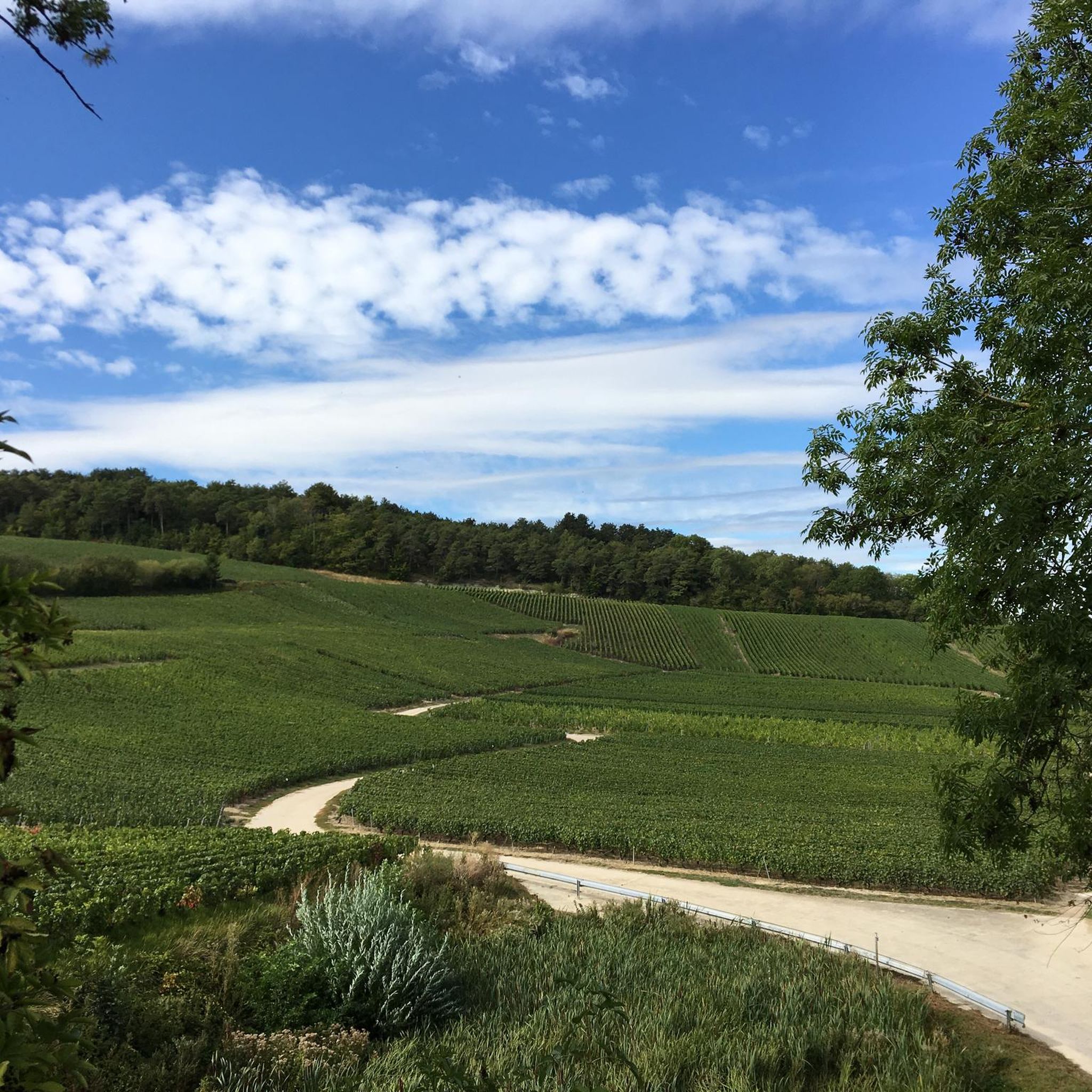
- Ville-Dommange is known for its historical sites, vineyards, and champagne houses. Visitors can explore religious sites, war monuments, and local winegrowers offering tours and tastings, alongside scenic views and walking routes.
- The attractions around Ville-Dommange are appreciated by the komoot community, with more than 200 upvotes and 9 photos shared.
Last updated: May 21, 2026
Coulée Verte de Reims
Highlight • Trail
Translated by Google •
Tip by

Place Royale (Reims)
Highlight • Monument
Translated by Google •
Tip by

Sign up now to discover places like this
Get recommendations on the best single tracks, peaks, & plenty of other exciting outdoor places.
Sign up for free
Subé fountain
Highlight • Monument
Translated by Google •
Tip by
Reims Opera
Highlight • Historical Site
Translated by Google •
Tip by
Mars Gate
Highlight • Historical Site
Translated by Google •
Tip by
Sign up for free to discover even more attractions around Ville-Dommange.
Sign up for free
Already have an account?
Start today with a free account
Your next adventure awaits.
Login or Signup

Tips from the Community

A magnificent architectural jewel nestled in the heart of this historic French city. This elegant opera house, with its rich history and vibrant programming, plays a vital role in the cultural life of Reims, captivating audiences with its splendid performances and significantly contributing to the city's artistic identity. The origins of the Opéra de Reims date back to the 19th century. Built in 1873, the original structure, designed in the neoclassical style, was a testament to the city's ambition and its thriving cultural scene. However, the devastation of the First World War severely damaged the building, leaving it in ruins. This setback, however, did not deter the city's commitment to the arts. The opera house was meticulously rebuilt in the 1930s, embracing the then-popular Art Deco style. Architects François Maille and Louis Sollier skillfully blended historical elements with the sleek lines and geometric shapes characteristic of the Art Deco movement, creating a unique and captivating architectural statement. The result is a building that seamlessly blends historical grandeur with modern aesthetics, a testament to the city's resilience and commitment to the arts. https://operadereims.com/
1
0

Unfortunately, performances are only irregular, so check the program in good time.
0
0
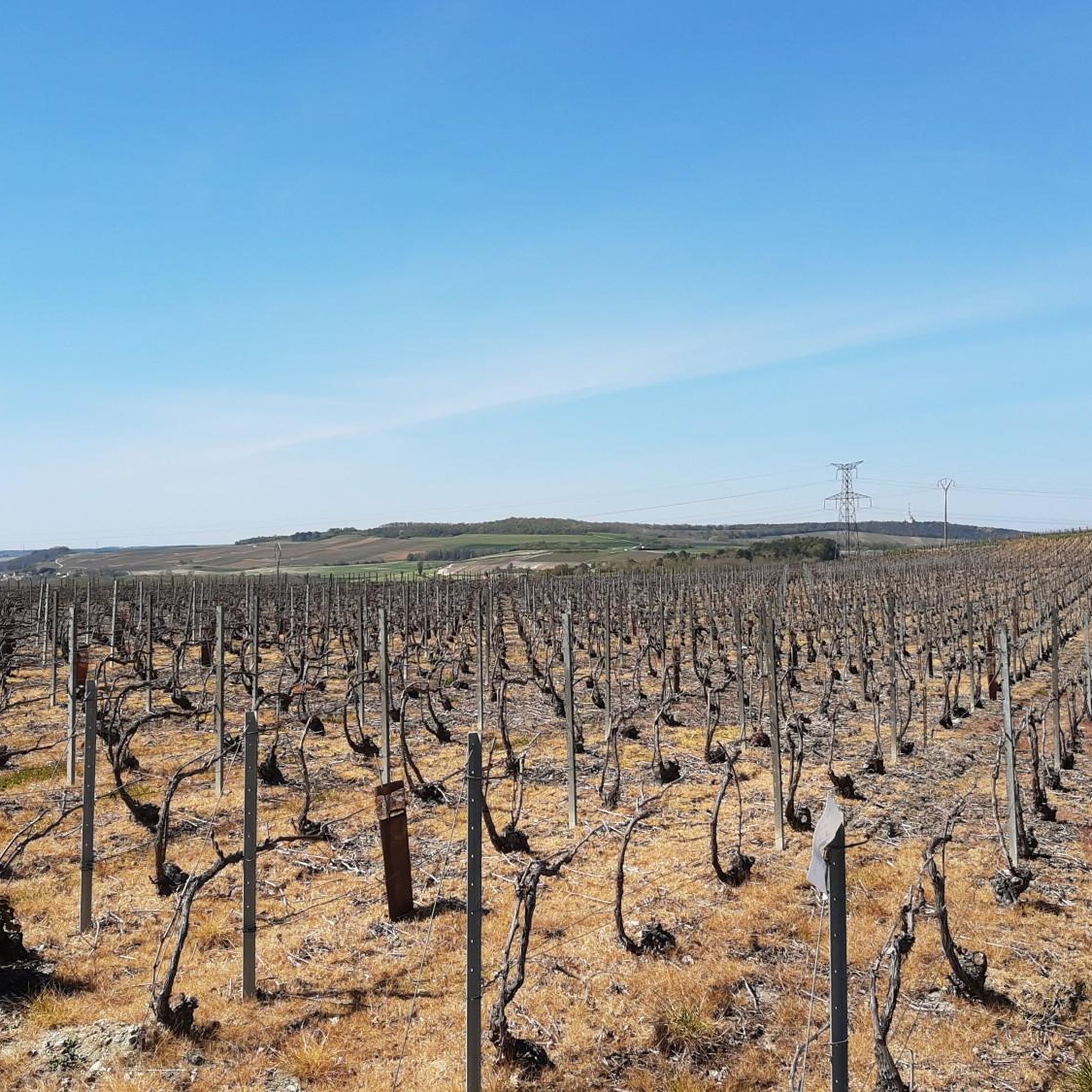
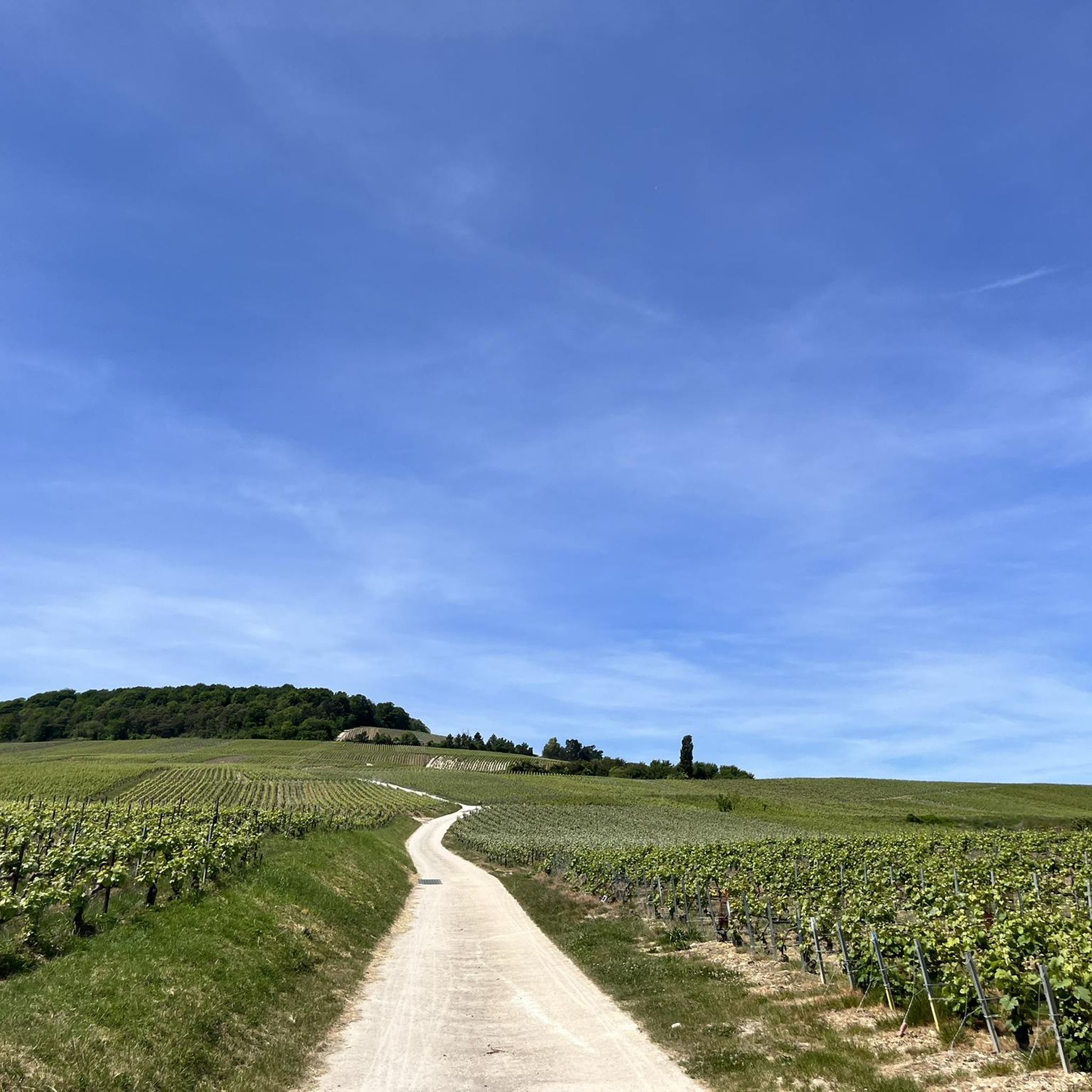
The cycle path offers the possibility to park outside and cycle into the city in a relaxed manner.
0
0

The opera, with its 750-seat Italian Hall, is a must-see on any tour of Reims' Art Deco heritage. Behind the preserved 19th-century facade, the architects completely restructured the interior in the spirit of the Théâtre des Champs-Élysées in Paris after the First World War: bas-reliefs, ironwork, chandeliers, paintings...
2
0
Under the central arch is a calendar depicting the activities and tasks of agriculture and viticulture: grape pressing, harvesting, etc. A calendar can be seen here through the carved reliefs. Under the eastern arch, we can see a she-wolf suckling Romulus and Remus. According to legend, it was Remus who founded Reims. Finally, under the western arch, we can see Leda being seduced by Jupiter.
1
0
This ancient monument is one of the longest in the Roman world: it is approximately 32 meters long and 12 meters high! The Mars Gate was built towards the end of the 2nd century and is the only one of the four monumental arches providing access to the city of Durocortorum that has survived. It consists of three arcades. The central arch carried the city's major north-south axis, intended for the passage of carriages. The two side arcades were used by pedestrians.
1
0

The monument survived destruction because it was walled up inside the Archbishop's castle in the 13th century, which inadvertently preserved it for future generations.
3
1
The Porte de Mars is a 3rd-century Roman monument in Reims, France, representing the widest arch in the entire Roman world at 33 meters long and 13 meters high. Originally built as one of four monumental arches at the cardinal entrances to ancient Durocortorum, it's the only surviving example of these grand structures. The arch features three decorated archways with intricate relief carvings, including scenes of Romulus and Remus with the she-wolf, agricultural calendars showing Gallic harvesters, and mythological figures like Leda and Zeus.
3
1
Frequently Asked Questions
What historical and cultural sites can I explore in and around Ville-Dommange?
Ville-Dommange and its surroundings offer several significant historical and cultural sites. Within the village, you can visit the Église Saint-Lié and the Chapelle Saint-Lié, which is a listed historic monument offering panoramic views. The village also has a War Monument and a notable Town Hall. A short drive away in Reims, you can explore the magnificent Reims Cathedral, the Abbey of Saint-Remi, the Tau Palace, and the historical Place Royale, featuring a bronze statue of Louis XV. Another must-see historical site in Reims is the Mars Gate, a triumphal arch dating from after the 3rd century.
What natural features and scenic views are there near Ville-Dommange?
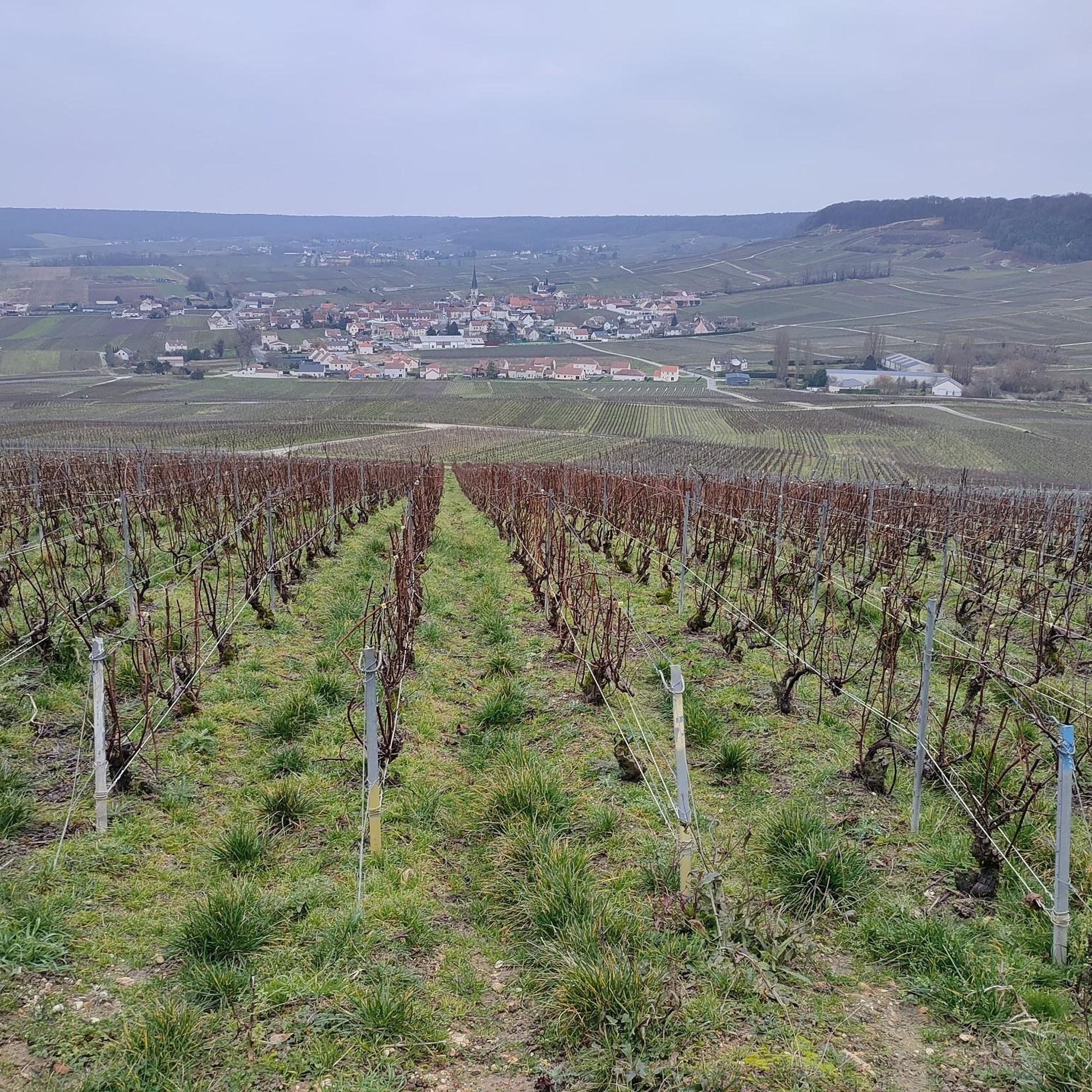
Ville-Dommange is nestled on the Montagne de Reims, a significant hill known for its extensive vineyards. The village itself is surrounded by approximately 189-192 hectares of vineyards, primarily growing Pinot Meunier, Pinot Noir, and Chardonnay grapes. For breathtaking scenic views, the Chapelle Saint-Lié, perched atop a hill, provides an ideal vantage point to overlook the vineyards, the Champagne plains, and even the city of Reims in the distance. You can also enjoy the Coulée Verte de Reims, a green corridor stretching along the canal and River Vesle, offering landscaped spaces for relaxation.
Are there opportunities for champagne tasting and tours in Ville-Dommange?
Yes, Ville-Dommange is an historical home of champagne, and many local winegrowers offer tours of their fields and facilities. These tours often provide a unique insight into the champagne-making process, from pressing to storage, and typically conclude with a tasting. The champagnes produced here are classified as Premier Cru, indicating their high quality. Champagne Fresne Ducret, with deep roots in the village, is one such example of a local producer.
What outdoor activities can I do around Ville-Dommange?
The area around Ville-Dommange is excellent for various outdoor activities. You can enjoy walking and hiking through the vineyards and along paths with views of Reims. For more structured routes, explore the Hiking around Ville-Dommange guide, which includes easy loops like the 'Eceuil farm – Biological vineyards loop'. Cycling is also popular, especially along the Coulée Verte de Reims. For gravel biking enthusiasts, the Gravel biking around Ville-Dommange guide offers routes of varying difficulty.
Are there family-friendly attractions or activities near Ville-Dommange?
Yes, several attractions and activities are suitable for families. The Coulée Verte de Reims is a great option for family walks, cycling, or jogging along the river. The Subé fountain in Reims is also considered family-friendly. Many of the walking routes through the vineyards around Ville-Dommange are gentle and enjoyable for all ages, offering a chance to experience the natural beauty of the region together.
What are some popular hiking trails near Ville-Dommange?
You'll find several popular hiking trails near Ville-Dommange, ranging from easy to moderate. The 'Eceuil farm – Biological vineyards loop from Ville-Dommange' is an easy 7 km option. Other moderate trails include the 'Biological vineyards loop from Ville-Dommange' at 11.9 km. For more options and detailed information, refer to the Hiking around Ville-Dommange guide.
What cities are easily accessible from Ville-Dommange for further exploration?
Ville-Dommange serves as an excellent base for exploring other significant cities in the Champagne region. Reims is just 9 km away, offering UNESCO World Heritage sites like its Cathedral. Epernay, known as the 'Capital of Champagne,' is 18 km away. Other accessible cities include Châlons-en-Champagne (41 km) with its churches, L'Epine (46 km) home to the Basilica of Notre Dame, and Laon (46 km) featuring an early Gothic cathedral.
What do visitors enjoy most about the attractions around Ville-Dommange?
Visitors particularly enjoy the blend of historical significance and natural beauty. The panoramic views from the Chapelle Saint-Lié over the vineyards and plains are highly appreciated. The historical sites in Reims, such as the Place Royale and Mars Gate, are frequently highlighted for their historical depth. The Coulée Verte de Reims is also popular for its recreational opportunities and green spaces. The komoot community has shown strong appreciation, with over 200 upvotes and 9 photos shared for the attractions in the area.
Are there any accessible attractions for visitors with wheelchairs near Ville-Dommange?
Yes, some attractions in the nearby city of Reims are noted for their accessibility. The Place Royale and the Mars Gate are both indicated as wheelchair accessible. Additionally, the Subé fountain is also listed as wheelchair accessible, providing options for visitors with mobility needs.
What is the best time to visit Ville-Dommange and its attractions?
The Champagne region, including Ville-Dommange, is beautiful throughout the warmer months, typically from spring to early autumn (April to October). During this period, the vineyards are lush, and the weather is pleasant for outdoor activities like hiking and cycling. The harvest season in late summer/early autumn can be particularly vibrant, offering a unique insight into the champagne-making process.
Can I find dog-friendly places or trails around Ville-Dommange?
Yes, the natural landscapes around Ville-Dommange, including many of the vineyard paths and walking routes, are generally dog-friendly. In Reims, the Subé fountain is also noted as dog-friendly. When exploring, always ensure your dog is on a leash and respect local regulations and private property signs, especially within vineyards.
Where can I go for running trails near Ville-Dommange?
For running enthusiasts, there are several trails available. The 'Biological vineyards loop from Ville-Dommange' is a moderate 11 km route. Another option is the 'Saint-Remi Church loop from Ville-Dommange', a moderate 9.5 km trail. You can find more running options and details in the Running Trails around Ville-Dommange guide.
Most popular routes around Ville-Dommange

Get inspired with the komoot mobile app


Explore more
Still not found the Highlight you’re looking for? See guides of the top attractions in other regions:
